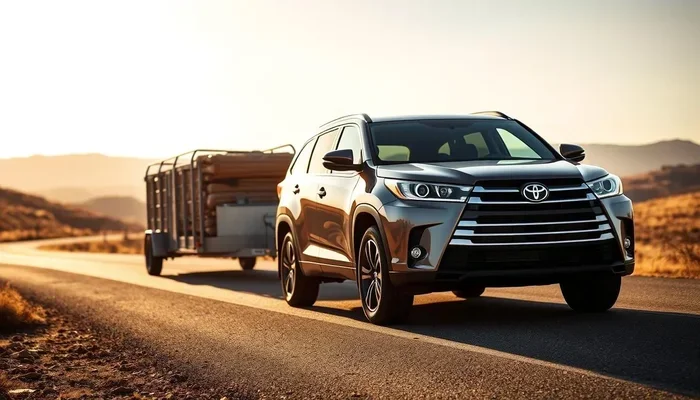
Can a Toyota Highlander Really Tow 5000 Lbs Find Out Now
Yes, a Toyota Highlander can tow up to 5000 lbs when properly equipped. This towing capacity makes the Highlander a solid choice for hauling small trailers, boats, and camping gear. Understanding your towing capacity and following the right setup steps ensures safe and worry-free towing every time.
So you just bought a Toyota Highlander. Maybe you have a camper trailer. Maybe you need to haul a small boat. Or perhaps you are just curious about what this popular SUV can actually handle. Either way, one question keeps popping up: can a Toyota Highlander really tow 5000 lbs?
The short answer is yes. But the full answer involves a few important details you need to know. Towing capacity is not just a number on a spec sheet. It depends on your engine, your trim level, your hitch setup, and how you distribute weight. Let us break it all down so you can tow with confidence and stay safe on the road.
The Toyota Highlander has long been one of the most popular three-row SUVs on the market. Families love it for its space, reliability, and comfort. But beyond the daily school drop-offs and grocery runs, the Highlander has a serious towing side. With the right configuration, it can handle a trailer, a small camper, or even a pair of jet skis. The key is understanding what your specific model can handle and how to set it up correctly.
Key Takeaways
- Maximum Towing Capacity: The Toyota Highlander can tow up to 5000 lbs when equipped with the right towing package and hitch setup.
- Engine Matters: The V6 engine is the go-to option for heavy towing needs, while the 4-cylinder has lower limits.
- Proper Hitch Installation Is Key: You need the correct hitch class and wiring to tow safely and legally.
- Payload vs. Towing: Do not confuse towing capacity with payload capacity. Both matter for safe towing.
- Safety First: Always use trailer brakes, weight distribution hitches, and proper lighting when towing at or near max capacity.
- Maintenance Matters: Regularly check your transmission fluid, brakes, and tires before any towing trip.
- Know Your Model Year: Towing specs vary across Highlander generations and trim levels.
📑 Table of Contents
- Understanding Toyota Highlander Towing Capacity
- Which Toyota Highlander Models Can Tow 5000 Lbs?
- How to Set Up Your Highlander for Towing
- Safety Tips for Towing with a Toyota Highlander
- Common Mistakes People Make When Towing
- How Does the Highlander Compare to Other SUVs for Towing?
- Maintenance Tips for Towing Toyota Highlanders
- Final Thoughts on Toyota Highlander Towing
Understanding Toyota Highlander Towing Capacity
When people ask about Toyota Highlander towing capacity, they usually want a simple number. And that number is 5000 lbs for many model years and configurations. But that number comes with conditions. Not every Highlander is built the same. Your specific year, engine type, and trim level all play a role in determining your actual towing limit.
What Does 5000 Lbs Really Mean?
Let us talk about what 5000 lbs of towing capacity actually looks like in real life. This is enough weight to comfortably tow a small travel trailer, a boat trailer, or a utility trailer loaded with equipment. It is not enough to haul a massive fifth-wheel camper. But for weekend adventures and light-duty hauling, 5000 lbs gives you plenty of flexibility.
Here are some real-world examples of what you can tow with a Toyota Highlander at 5000 lbs:
- A small pop-up camper or tent trailer weighing up to 4500 lbs loaded
- A bass boat or small fishing boat with a trailer
- A utility trailer loaded with lawn furniture or building materials
- A motorcycle trailer with one or two bikes
- A small enclosed cargo trailer
The important thing to remember is that the 5000 lbs figure refers to the trailer weight alone. You also need to factor in your cargo and passengers inside the Highlander. This leads us to an important distinction between towing capacity and payload capacity.
Towing Capacity vs. Payload Capacity
These two numbers are often confused, and mixing them up can cause real problems. Towing capacity is the maximum weight your Highlander can pull behind it on a trailer. Payload capacity is the maximum weight your Highlander can carry inside itself. That includes passengers, cargo in the cargo area, and the weight of the hitch itself.
Here is a simple way to think about it:
- Towing capacity: How much weight you pull behind the vehicle
- Payload capacity: How much weight the vehicle itself carries
If your Highlander is loaded with passengers and gear, you have less capacity available for towing. Always check both numbers before heading out on a trip. Overloading your vehicle, whether by towing too much or carrying too much cargo, can damage your transmission, brakes, and suspension over time.
Which Toyota Highlander Models Can Tow 5000 Lbs?
Not all Highlanders are created equal when it comes to towing. Your engine choice and trim level make a big difference. Let us look at what configurations unlock that full 5000 lb towing capacity.
The V6 Engine: Your Best Friend for Towing
The Toyota Highlander comes with two engine options in most recent generations. The standard 2.4-liter turbocharged four-cylinder engine is great for daily driving and fuel economy. But when it comes to towing 5000 lbs, the V6 engine is the clear winner. The 3.5-liter V6 provides the extra torque and power needed to handle heavier loads safely.
Here is a quick comparison of the two engine options and their towing capabilities:
- 2.4L Turbo I4 Engine: Typically rated for towing around 1500 to 3500 lbs depending on the model year and trim
- 3.5L V6 Engine: Rated for towing up to 5000 lbs when properly equipped
If towing capacity is important to you, always choose the V6 model. The extra horsepower and torque make a noticeable difference when you are on the road with a heavy trailer. You will feel more confident merging, climbing hills, and braking with a loaded trailer behind you.
Trim Levels and Towing Packages
Even with the V6 engine, not every Highlander trim comes with the towing package standard. The XSE and Limited trims often include the towing package as part of their features. But on lower trims like the base LE or SE, you may need to add it as an option or a dealer accessory.
Here is what you should look for when buying or checking your Highlander for towing capability:
- A factory-installed towing package that includes a Class III or Class IV hitch receiver
- A wiring harness for trailer lights and brake controllers
- A transmission cooler for extended towing
- An integrated trailer sway control system
These features are not just nice to have. They are essential for safe towing at or near the 5000 lb limit. Skimping on the towing package can lead to overheating, transmission damage, and dangerous handling on the road.
How to Set Up Your Highlander for Towing
Having the right engine is only half the battle. You also need the correct hitch and setup to tow safely. Setting up your Highlander for towing involves several important steps that you should never skip.
Choosing the Right Hitch
The hitch is the connection point between your Highlander and your trailer. For towing up to 5000 lbs, you typically need a Class III or Class IV hitch receiver. These hitches are designed to handle the weight and provide a secure connection.
Here are the most common hitch classes and what they can handle:
- Class II Hitch: Up to 3500 lbs towing capacity. Suitable for light trailers and small boats.
- Class III Hitch: Up to 5000 lbs towing capacity. This is the sweet spot for the Toyota Highlander.
- Class IV Hitch: Up to 10000 lbs towing capacity. Overkill for the Highlander but useful if you upgrade to a larger vehicle later.
For most Highlander owners, a Class III hitch is the perfect choice. It matches the 5000 lb towing capacity and provides a solid, reliable connection. You can have a hitch installed at most auto parts stores or Toyota dealerships. If you prefer a DIY approach, many aftermarket hitch kits come with detailed installation instructions.
Wiring and Electrical Connections
Do not forget about the electrical side of towing. Your trailer needs working brake lights, turn signals, and tail lights. A proper wiring harness connects your Highlander’s electrical system to the trailer. This is not just about convenience. It is about safety and legality. Driving with a trailer that has no working lights is dangerous and can result in a traffic ticket.
Some wiring harnesses also include a connection for a trailer brake controller. This is especially important when you are towing close to 5000 lbs. A brake controller lets you apply the trailer’s brakes independently from your vehicle’s brakes. This gives you much better control when stopping, especially on downhill slopes.
Weight Distribution Hitches
When towing at or near your maximum capacity, a weight distribution hitch can make a big difference. This type of hitch redistributes the trailer’s weight across all axles of your vehicle. It helps keep your Highlander level and improves steering and braking control.
You should especially consider a weight distribution hitch if:
- Your trailer has a high center of gravity
- You notice your rear end sagging when the trailer is attached
- You are towing long distances on hilly terrain
- Your trailer weight is above 3000 lbs
A weight distribution hitch is an affordable upgrade that significantly improves towing safety and comfort. Many Highlander owners who tow regularly swear by them.
Safety Tips for Towing with a Toyota Highlander
Towing a trailer changes the way your vehicle handles on the road. It is not the same as driving without a load behind you. Following proper safety practices protects you, your passengers, and everyone else on the road.
Pre-Trip Checklist
Before every towing trip, go through this quick checklist. It takes just a few minutes and can prevent costly problems on the road:
- Check your tire pressure on both the Highlander and the trailer
- Verify that the hitch is securely latched and locked
- Test all trailer lights and signals
- Make sure the trailer brakes are functioning properly
- Check your mirrors for proper visibility around the trailer
- Confirm your load is evenly distributed and securely tied down
- Inspect your transmission fluid and coolant levels
Skipping even one item on this list can lead to trouble. A loose hitch or a burnt-out trailer light might seem minor. But these small issues can turn into serious safety hazards on the highway.
Driving Tips for Towing
Once you are on the road, your driving style needs to change a bit. Towing a trailer affects your stopping distance, turning radius, and overall handling. Here are some practical tips that every Highlander towing owner should follow:
- Increase your following distance: A loaded trailer adds significant weight. Your brakes will take longer to stop the vehicle. Leave extra space between you and the car ahead.
- Take turns wider: The trailer follows a tighter path than your vehicle. Wide turns prevent the trailer from clipping curbs or other vehicles.
- Use lower gears on hills: Downshift when going uphill or downhill. This reduces strain on your brakes and helps maintain a safe speed.
- Avoid sudden maneuvers: Jerky steering or braking can cause the trailer to sway. Smooth, gradual inputs keep everything stable.
- Watch for wind gusts: A trailer acts like a sail. Strong crosswinds can push your trailer sideways if you are not careful.
These tips might seem simple. But they make a huge difference in towing safety and comfort. Practice in an empty parking lot before hitting the highway with a heavy load.
Common Mistakes People Make When Towing
Even experienced drivers make towing mistakes. Being aware of the most common errors can save you from costly repairs and dangerous situations. Here is what to watch out for.
Overloading the Trailer
This is the number one mistake people make. Just because your Highlander can tow 5000 lbs does not mean you should load the trailer to the max. Always leave a safety margin. If your trailer is rated for 5000 lbs, try to keep the actual loaded weight under 4500 lbs. This gives you a buffer for unexpected weight additions and reduces stress on your vehicle.
Ignoring the Tongue Weight
Tongue weight is the downward force the trailer puts on the hitch ball. The general rule of thumb is that tongue weight should be about 10 to 15 percent of your total trailer weight. Too little tongue weight causes the trailer to sway. Too much tongue weight pushes the rear of your Highlander down and reduces front-wheel traction.
Invest in a tongue weight scale. They are inexpensive and easy to use at home. Checking your tongue weight before every trip is one of the best habits you can build.
Forgetting About Maintenance
Towing puts extra stress on your vehicle. Your brakes, transmission, and engine all work harder when pulling a heavy load. Skipping regular maintenance can lead to breakdowns or expensive repairs. Stay on top of your Toyota Highlander’s service schedule, especially if you tow frequently.
If you want to learn more about how towing affects your vehicle, check out our guide on how much weight a 3.6L V6 can tow for additional insights on engine towing limits.
How Does the Highlander Compare to Other SUVs for Towing?
The Toyota Highlander is a strong towing SUV. But how does it stack up against the competition? Let us look at a few popular SUVs in the same class to give you a better picture.
For comparison, the Honda CRV has a much lower towing capacity, typically around 1500 lbs. If you need to tow more than a small cargo carrier, the CRV will not cut it. On the other hand, the Subaru Forester can tow up to about 2700 lbs, which is better than the CRV but still well below the Highlander’s 5000 lb rating.
If you are looking at the bigger picture, you might also consider the Subaru Outback or the Mitsubishi Outlander. The Outlander can tow up to 3500 lbs, which is decent but still 1500 lbs short of the Highlander’s capacity. You can read more about the Mitsubishi Outlander’s towing ability in our can a Mitsubishi Outlander tow article.
For those considering the Subaru Crosstrek, it has a towing capacity of around 2000 lbs. You can find more details in our Subaru Crosstrek towing guide.
When you compare these numbers side by side, the Toyota Highlander clearly stands out in the midsize SUV towing category. It offers one of the best towing capacities in its class, making it an excellent choice for families who need to haul trailers and equipment regularly.
If you are also considering pulling a trailer with a smaller Toyota like the RAV4, you can check out our article on whether you can pull a trailer with a RAV4 for a helpful comparison.
Maintenance Tips for Towing Toyota Highlanders
Once you start towing regularly, your maintenance routine needs to change. Towing puts extra wear on your vehicle. Staying ahead of these needs keeps your Highlander running strong for years to come.
Transmission Fluid
Your transmission works overtime when towing. The extra weight creates more heat and friction. Change your transmission fluid more frequently if you tow often. Most Toyota dealers recommend changing it every 30000 to 60000 miles under normal conditions. If you tow regularly, consider shortening that interval to 30000 miles or less.
Brake Inspection
Brakes wear faster when you tow. The added weight of a trailer means your brakes have to work harder to stop the combined weight of your Highlander and the trailer. Have your brake pads, rotors, and brake fluid checked at every service interval. Do not wait for warning signs like squeaking or grinding.
Tire Care
Proper tire maintenance is critical when towing. Check your tire pressure before every trip. Make sure your tires are rated for the weight you are carrying. Underinflated tires can overheat and fail, especially on long highway drives with a heavy load.
Also, do not forget about your trailer tires. These often get overlooked but are just as important. Check the tire pressure and tread depth on your trailer before every trip.
Cooling System
Towing generates extra heat in your engine. Make sure your cooling system is in top shape. Check your coolant level regularly and have the system inspected at least once a year. A overheating engine on the highway with a trailer attached is a dangerous situation you want to avoid at all costs.
Final Thoughts on Toyota Highlander Towing
The Toyota Highlander is a capable and versatile SUV that can absolutely tow 5000 lbs when properly equipped. The key is choosing the right engine, installing the correct hitch, and following safe towing practices. Whether you are heading to the campground, hauling a boat to the lake, or moving furniture across town, the Highlander has you covered.
Remember that towing safety starts before you hit the road. Proper setup, regular maintenance, and smart driving habits make all the difference. Take the time to understand your specific model’s towing specs and follow them closely. Your Highlander is built to handle the job. You just need to give it the right tools and the right respect for the limits.
If you are in the market for a reliable towing SUV, the Toyota Highlander should be at the top of your list. It combines comfort, reliability, and genuine towing capability in one package. And with proper care and setup, it will serve you well for many towing adventures to come.
For those wondering about other Toyota models, you might also be interested in learning about adding a hitch to your Toyota RAV4 or exploring towing options with other Toyota and non-Toyota SUVs.
Frequently Asked Questions
Can a Toyota Highlander tow 5000 lbs with the 4-cylinder engine?
Generally, no. The 2.4-liter four-cylinder Highlander has a lower towing capacity, typically around 1500 to 3500 lbs depending on the model year. To achieve the full 5000 lb towing capacity, you need the 3.5-liter V6 engine. Always check your owner’s manual for your specific model’s rated towing limit.
Do I need a special license to tow 5000 lbs with a Toyota Highlander?
In most states, you do not need a special license to tow a trailer weighing 5000 lbs or less with a standard passenger vehicle like the Toyota Highlander. However, towing regulations vary by state and country. Always check your local laws regarding towing requirements, trailer registration, and safety equipment before hitting the road.
What hitch do I need for a Toyota Highlander to tow 5000 lbs?
You need a Class III hitch receiver rated for at least 5000 lbs of towing capacity. The hitch should be installed according to the manufacturer’s specifications and should include a wiring harness for trailer lights. A weight distribution hitch is recommended for loads above 3000 lbs to ensure stable and safe towing.
Can I tow a travel trailer with a Toyota Highlander?
Yes, the Toyota Highlander can tow a travel trailer up to 5000 lbs when properly equipped with the V6 engine and towing package. This is suitable for small to midsize travel trailers. Make sure your trailer is properly loaded, your hitch is secure, and you follow all towing safety guidelines for a safe and enjoyable trip.
How does towing affect my Toyota Highlander’s fuel economy?
Towing a trailer significantly reduces fuel economy. The extra weight creates more drag and puts more strain on the engine. Expect your fuel economy to drop by 20 to 40 percent when towing at or near the 5000 lb capacity. Plan your fuel stops accordingly and consider fuel efficiency when choosing your trailer weight.
Is it safe to tow at the maximum 5000 lb capacity regularly?
Towing at maximum capacity regularly is safe as long as your Highlander is properly equipped and maintained. Use the correct hitch, wiring harness, and weight distribution system. Follow your maintenance schedule closely, especially for brakes, transmission fluid, and tires. If you are unsure about any aspect of towing, consult your Toyota dealer for professional advice tailored to your specific model.