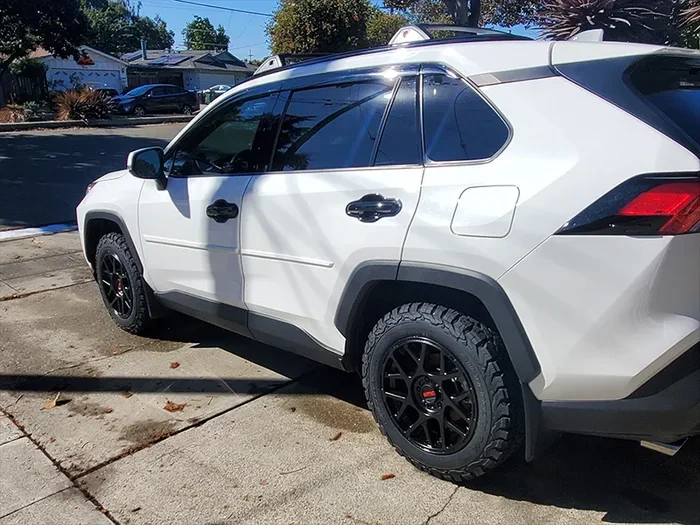
Do You Really Have to Replace All 4 Tires on a RAV4
Do you have to replace all 4 tires on a RAV4? The answer depends on your drivetrain, tire wear, and manufacturer guidelines. Replacing all four tires is strongly recommended for all-wheel-drive models, but you may get away with two new tires on front-wheel-drive versions if the remaining tires have similar tread depth. Mismatched tires can damage your drivetrain, reduce traction, and compromise safety on the road.
This is a comprehensive guide about Do You Have to Replace All 4 Tires on a RAV4?.
Key Takeaways
- AWD RAV4 models: Always replace all four tires to avoid drivetrain damage and maintain balanced traction.
- FWD RAV4 models: You can replace two tires if the existing ones have matching tread depth and similar brand/size.
- Tire matching matters: Mixing different tire brands, sizes, or tread patterns can cause handling problems and premature wear.
- Tread depth rule: New tires should not differ by more than 2/32 of an inch from the remaining tires.
- Tire rotation helps: Regular rotation extends tire life and promotes even wear across all four positions.
- Check your warranty: Some tire manufacturers and Toyota dealerships have specific rules about tire replacement coverage.
[FEATURED_IMAGE_PLACEHOLDER]
Understanding Tire Replacement on a RAV4
The Toyota RAV4 is one of the best-selling compact SUVs on the road. Millions of drivers trust it for daily commutes, road trips, and everything in between. But when it comes to tire replacement, many RAV4 owners find themselves confused. Should you swap out all four tires, or is replacing just two enough? This question comes up more often than you might think, and the answer is not always straightforward.
Your RAV4’s drivetrain plays a huge role in this decision. All-wheel-drive RAV4 models need all four tires to match closely. Front-wheel-drive models give you a bit more flexibility. But beyond the drivetrain, factors like tire wear patterns, tread depth, and even your driving habits all matter. Let us walk through everything you need to know so you can make the right call for your vehicle and your wallet.
Whether you are dealing with a blown tire, uneven tire wear, or just planning ahead for a full set, this guide covers it all. We will look at when you must replace all four, when two will do, and how to avoid costly mistakes along the way.
When You MUST Replace All Four Tires
There are certain situations where replacing all four RAV4 tires is not just a recommendation, it is a necessity. Understanding these scenarios can save you from expensive repairs and dangerous driving conditions.
All-Wheel-Drive RAV4 Models
If your RAV4 has AWD, you should almost always replace all four tires at once. Here is why. AWD systems rely on precise speed differences between the front and rear wheels. When one tire has a different diameter than the others, the system works harder than it should. This can lead to overheating, premature wear on drivetrain components, and even costly repairs.
Toyota specifically recommends matching all four tires on AWD RAV4 models. The tire size, brand, model, and tread depth should be as identical as possible. Even a small difference of 2/32 of an inch in tread depth can cause problems over time. So if you are driving an RAV4 Hybrid or any AWD variant, plan on a full set replacement.
Tire Tread Depth Differences
Tread depth is measured in 32nds of an inch. Brand-new tires typically have 10/32 to 12/32 of an inch of tread. As you drive, that tread wears down. When the difference between your newest tire and your oldest tire exceeds 2/32 of an inch, you are in the danger zone. Uneven tire wear can cause vibrations, pulling to one side, and reduced fuel efficiency.
If you have a mix of heavily worn tires and brand-new ones, replacing all four ensures even performance. This is especially true for the RAV4 Prime and other hybrid versions, which deliver instant torque. That torque puts extra stress on tires, so matching them perfectly matters even more.
Tire Damage and Safety Concerns
Sometimes tire damage makes partial replacement unsafe. If you have two or more tires with sidewall damage, punctures in the tread area that cannot be repaired, or severe cracking from age, you need a full set. Tire safety should always come first. Driving on compromised tires increases your risk of blowouts, hydroplaning, and loss of control.
Also, consider your tire pressure monitoring system (TPMS). Mismatched tires can trigger false alerts or cause the system to malfunction. The TPMS relies on consistent tire sizes and pressures to work correctly. Replacing all four ensures your safety systems function as designed.
When You Can Replace Just Two Tires
Not every situation requires a full set of four new tires. In certain cases, replacing just two tires is perfectly fine and can save you a significant amount of money.
Front-Wheel-Drive RAV4 Models
If your RAV4 is front-wheel drive, you have more flexibility. FWD vehicles send power only to the front wheels, so the front tires wear faster than the rears. When it is time to replace tires, many experts recommend putting the two new tires on the front axle. This helps with steering response and wet-weather traction.
However, there is a catch. Your remaining two tires need to have similar tread depth, brand, and size to the new ones. If your rear tires are nearly bald and your new front tires are fresh, you could experience handling issues, especially in rain or snow. The rule of thumb is to keep the tread depth difference under 2/32 of an inch.
Matching Tire Brands and Models
Even when replacing two tires, you want to match the tire brands and models as closely as possible. Different tire brands use different rubber compounds, tread designs, and construction methods. Mixing vastly different tires can cause uneven wear, noise, and poor handling.
If you cannot find the exact same model, look for tires in the same size, load rating, and speed rating. For example, if your RAV4 currently uses Michelin Defender LTX M/S tires, try to find the same model for the replacement pair. If that is not available, a comparable all-season tire from the same brand in the same size is your next best option.
The Two-Tire Placement Rule
Where you put the new tires matters more than most people realize. For FWD RAV4s, the new tires go on the front. For rear-wheel-drive vehicles, they go on the rear. This is because the driven wheels need the most grip, especially in slippery conditions.
Putting new tires on the rear axle helps prevent oversteer and rear-end sliding on wet roads. Even though the RAV4 is primarily FWD or AWD, the principle applies. Always check your owner manual for Toyota’s specific guidance on tire placement for your model year.
Best Practices for RAV4 Tire Replacement
Replacing tires on your RAV4 does not have to be overwhelming. Following a few best practices ensures you get the most life out of your new tires and stay safe on the road.
Choose the Right Tire Size
The RAV4 comes in different trims, and each trim may use a different tire size. The base LE model often uses 225/65R17 tires, while the XLE and XSE trims might use 225/55R18 or 235/45R19 tires. Always double-check your owner manual or the tire placard on the driver’s door jamb before purchasing new tires.
Do not assume that because a size fits one RAV4 trim, it fits all of them. Using the wrong size can affect your speedometer accuracy, fuel economy, and even your wheel alignment. If you are upgrading to a larger wheel, make sure the overall tire diameter stays within the acceptable range recommended by Toyota.
Invest in Tire Rotation
One of the easiest ways to extend the life of your tires is regular rotation. Toyota recommends rotating your RAV4 tires every 5,000 to 8,000 miles, or at each oil change. This promotes even wear across all four tires and helps you get the full tire lifespan out of each set.
During a rotation, the front tires move to the rear and vice versa. On some RAV4 models with directional tires, the rotation pattern is different, so check your tire markings or ask your service technician. Staying on top of rotations can add thousands of miles to your tires and help you avoid premature tire replacement.
Keep Up With Tire Balancing and Alignment
Every time you install new tires on your RAV4, make sure they are properly balanced. Unbalanced tires cause vibrations at highway speeds, uneven wear, and a rough ride. Most tire shops include balancing as part of the installation service, but it never hurts to confirm.
You should also get a wheel alignment check. Potholes, curbs, and normal wear can knock your alignment out of spec over time. Signs of poor alignment include the RAV4 pulling to one side, uneven tire wear on one edge, or a crooked steering wheel when driving straight. Getting an alignment with every tire replacement is a smart investment.
Consider Tire Warranties and Road Hazard Coverage
Many tire brands offer warranties that cover premature wear, road hazards, and even flat repairs. Before you buy, ask about the warranty details. Some warranties cover up to 60,000 or 80,000 miles of tread life. Others include road hazard protection that pays for repairs or replacements due to nails, screws, or pothole damage.
If you bought your RAV4 from a Toyota dealership, check whether your tires are still under the original tire warranty. Some Toyota programs include tire coverage for the first few years of ownership. Understanding your warranty can help you avoid paying out of pocket for premature tire issues.
Common Mistakes to Avoid
Replacing tires on a RAV4 seems simple, but many people make mistakes that cost them money and safety. Here are the most common errors to avoid.
Mixing Different Tire Brands on All Four Positions
This is one of the biggest mistakes RAV4 owners make. Putting a different brand on each axle might seem like a way to save money, but it creates mismatched grip levels, rolling resistances, and tread wear rates. The result is unpredictable handling, especially during emergency maneuvers or in adverse weather.
Even if you are replacing only two tires, try to match the existing pair as closely as possible. If your current tires are worn beyond 4/32 of an inch, replacing just two new tires alongside nearly bald ones defeats the purpose. In that case, it is better to replace all four.
Ignoring Tire Age
Tire age matters just as much as tread depth. Tires degrade over time, even if they have plenty of tread left. Rubber becomes brittle, sidewalls crack, and the risk of blowouts increases. Most tire manufacturers recommend replacing tires that are six to ten years old, regardless of how much tread remains.
Check the DOT code on the sidewall of your tire. The last four digits tell you the week and year of manufacture. For example, a code ending in 2419 means the tire was made in the 24th week of 2019. If your RAV4 tires are approaching that age, consider full replacement even if the tread looks fine.
Forgetting to Reset the TPMS
After installing new tires on your RAV4, make sure the TPMS is reset. Some vehicles do this automatically, while others require a manual reset using the reset button or a diagnostic tool. A faulty TPMS can give false low-pressure warnings or fail to alert you to actual pressure drops.
Also, make sure your new tires have functioning TPMS sensors. Some budget tire shops may not include TPMS service with the installation, so ask ahead of time. Proper TPMS function is a small detail that makes a big difference in daily tire safety.
Skipping the Spare Tire Check
Your RAV4 spare tire often gets forgotten until you need it. If you have a full-size spare, check its pressure and condition regularly. A spare tire that has been sitting in the trunk for years may be flat or dry-rotted. When you replace your four driven tires, take the opportunity to inspect the spare and make sure it is road-ready.
If your RAV4 uses a temporary compact spare, remember that these tires are not meant for long-term or high-speed driving. Replace the temporary spare with a full-size tire as soon as possible after a flat. Keeping a proper spare in good condition is part of overall RAV4 maintenance.
How to Extend the Life of Your RAV4 Tires
Replacing tires is an expense nobody wants to face more often than necessary. The good news is that with proper care, you can significantly extend the life of your RAV4 tires and get the most value out of every set.
Check your tire pressure monthly. Underinflated tires wear out faster on the outer edges of the tread, while overinflated tires wear in the center. Use a quality tire gauge and inflate to the pressure listed on the driver’s door jamb, not the number printed on the tire sidewall. That sidewall number is the maximum pressure, not the recommended pressure for your vehicle.
Inspect your tires regularly. Look for nails, screws, bulges, and uneven wear patterns. If you notice your RAV4 pulling to one side or vibrating at highway speeds, get a wheel alignment and tire balancing check right away. Catching problems early prevents them from turning into costly tire replacements.
Drive smoothly. Aggressive acceleration, hard braking, and sharp cornering all eat away at your tire tread. Smooth, defensive driving not only keeps you safer but also preserves your tires. Combine this with regular rotations and alignment checks, and your RAV4 tires can easily last 50,000 miles or more.
Finally, remember that your RAV4 is a versatile vehicle. Whether you use it for commuting, hauling gear, or light towing, your tires take a beating. If you have ever towed a trailer with your RAV4, you know how much extra stress that puts on the vehicle, including the tires. Give your tires the attention they deserve, and they will reward you with reliable performance for miles to come.
Also, if you are planning any RAV4 upgrades like adding accessories, make sure they do not interfere with your tire clearance. For instance, if you are considering adding a roof rack or modifying the suspension, check that your tire size and overall diameter remain within safe limits. Even something as simple as a new set of wheels can affect your tire fitment if you are not careful about the offset and width specifications.
Regular maintenance goes a long way too. If you follow the service schedule in your owner manual, including the 000-mile service intervals, your tires and the rest of your RAV4 will stay in excellent shape. Keeping up with oil changes, brake inspections, and tire rotations ensures that every component works together harmoniously, including your tires.
Conclusion
So, do you have to replace all 4 tires on a RAV4? The short answer is: it depends on your drivetrain, tire condition, and safety priorities. For AWD RAV4 owners, replacing all four is the safest and smartest choice. For FWD models, replacing two tires can work if the remaining tires are in good condition and closely matched.
The key is to never compromise on tire safety. Your tires are the only part of your RAV4 that touches the road. They affect everything from braking distance to fuel economy to ride comfort. Take the time to make informed decisions, match your tires properly, and keep up with regular maintenance.
Whether you are replacing all four or just two, invest in quality tires from trusted brands. Your RAV4 will reward you with smooth, safe, and reliable miles for years to come. And remember, if you are ever in doubt, consult a trusted tire professional or your local Toyota dealership. They can assess your specific situation and recommend the best path forward for your vehicle.
Frequently Asked Questions
Can I replace just one tire on my RAV4?
Replacing only one tire is generally not recommended. The new tire will have a different tread depth and diameter compared to the older ones, which can strain the drivetrain, especially on AWD models. If you must replace just one, make sure the new tire closely matches the remaining three in brand, size, and tread depth.
How much does it cost to replace all 4 tires on a RAV4?
The cost varies depending on the tire brand, size, and model you choose. On average, expect to pay between $600 and $1,200 for a full set of four tires, including installation, balancing, and alignment. Premium all-season tires tend to cost more, but they often deliver better longevity and performance.
What happens if I mix tire brands on my RAV4?
Mixing different tire brands can lead to uneven handling, reduced traction, and premature wear. The tires may have different grip levels and rolling resistances, which affects stability and braking. If you must mix brands temporarily, keep the tread depth difference under 2/32 of an inch and replace the mismatched pair as soon as possible.
How often should I rotate my RAV4 tires?
Toyota recommends rotating your RAV4 tires every 5,000 to 8,000 miles, or at each oil change. Regular rotation promotes even wear across all four tires and can extend your overall tire lifespan by thousands of miles. Check your owner manual for the exact rotation pattern recommended for your model year.
Do I need new tires if my tread depth is above 4/32 of an inch?
Not necessarily. Tires with 4/32 of an inch or more of tread are generally still safe for everyday driving. However, if you notice uneven wear, cracking, or damage, it is time to inspect them more closely. In wet or snowy conditions, deeper tread provides better grip, so consider replacing sooner if you frequently drive in harsh weather.
Can I use run-flat tires on my RAV4?
Some RAV4 trims come equipped with run-flat tires from the factory. If your RAV4 uses run-flats, you can replace them with the same type. However, mixing run-flat tires with standard tires is not recommended, as they have different sidewall constructions and handling characteristics. Always confirm your tire type with your owner manual or a Toyota dealer before purchasing replacements.