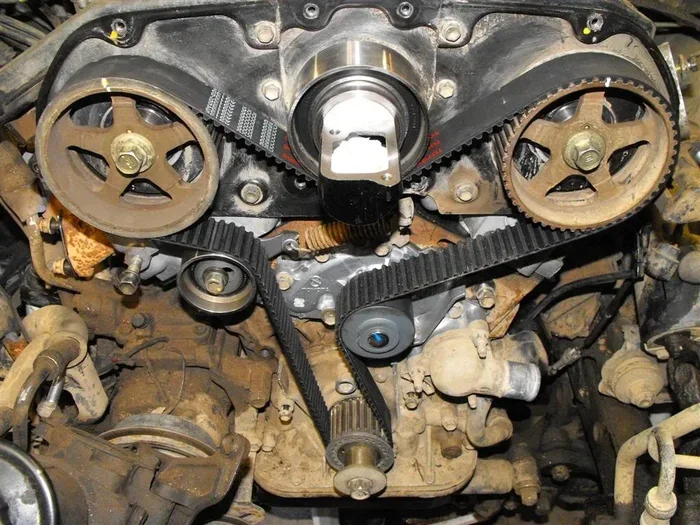
Does a 2004 Toyota Corolla Have a Timing Belt or Chain
The 2004 Toyota Corolla uses a timing chain, not a timing belt. This is a significant advantage because chains are designed to last the life of the engine in most cases. Understanding your engine’s timing system helps you plan maintenance and avoid costly repairs down the road.
This is a comprehensive guide about Does a 2004 Toyota Corolla Have a Timing Belt or Chain.
Key Takeaways
- Timing Chain Design: The 2004 Toyota Corolla uses a timing chain, not a belt, which is built for long-term durability.
- 1.8L 1ZZ-FE Engine: This engine is known for reliability and uses a chain-driven timing system.
- Low Maintenance Needs: Unlike timing belts, chains do not require regular scheduled replacement under normal driving conditions.
- Cost Savings: Not needing a timing belt replacement saves hundreds of dollars over the life of the vehicle.
- Watch for Wear: Even though chains last a long time, they can stretch or fail if maintenance is neglected.
- Related Maintenance: Staying on top of oil changes and other scheduled services helps protect the timing chain.
[FEATURED_IMAGE_PLACEHOLDER]
Does a 2004 Toyota Corolla Have a Timing Belt or Chain
If you own or are thinking about buying a 2004 Toyota Corolla, you might wonder about the timing system inside the engine. The short answer is that this car uses a timing chain. That is great news for owners because chains are tougher and last longer than belts. You will not need to worry about replacing a timing component on a strict schedule like some other vehicles do.
The 2004 Corolla is equipped with the 1.8L 1ZZ-FE engine. This engine has been a workhorse in the Toyota lineup for years. It is known for being reliable, fuel-efficient, and relatively low maintenance. One of the reasons it earns that reputation is the use of a timing chain instead of a belt. Chains are made of metal and are designed to handle the constant stress of opening and closing your engine’s valves at precise times.
Knowing whether your car has a belt or a chain matters. It affects your maintenance schedule, your repair costs, and even how you plan for long-term ownership. Let us dive deep into everything you need to know about the 2004 Toyota Corolla timing chain.
Understanding the Difference Between a Timing Belt and a Timing Chain
Before we go further, it helps to understand what each part does and why it matters. Both a timing belt and a timing chain connect the crankshaft to the camshaft. They keep your engine’s valves opening and closing at the right time. Without this precise timing, your engine would not run properly. But the two systems are very different in how they work and how long they last.
What Is a Timing Belt?
A timing belt is made of rubber with teeth on the inside. It runs inside the engine and syncs the rotation of the crankshaft and camshaft. Most manufacturers recommend replacing a timing belt every 60,000 to 100,000 miles. If a timing belt breaks, it can cause serious engine damage. This is especially true in interference engines where the pistons and valves can collide.
What Is a Timing Chain?
A timing chain is made of metal links, similar to a bicycle chain. It is also housed inside the engine and serves the same purpose. However, it is much more durable. A timing chain can often last the entire life of the engine. It does not need routine replacement like a belt does. This is one of the biggest advantages of the 2004 Toyota Corolla engine design.
Which Is Better for Your Wallet?
Timing chain replacement is more expensive when it does become necessary. But because chains rarely fail, you save money over time. A timing belt replacement is cheaper per service but needs to be done more often. Over a 150,000-mile lifespan, a timing chain system is usually more cost-effective. For Toyota Corolla owners, this is a big win.
The 2004 Toyota Corolla Engine: The 1ZZ-FE 1.8L
The 2004 Toyota Corolla uses the 1ZZ-FE 1.8L four-cylinder engine. This engine was a major step forward for Toyota. It introduced a timing chain system that replaced older belt-driven designs in many Toyota models. The 1ZZ-FE produces about 130 horsepower and 125 lb-ft of torque. It is a solid engine that has proven itself over millions of miles of driving.
Key Specs of the 1ZZ-FE Engine
- Displacement: 1.8 liters
- Configuration: Inline four-cylinder
- Horsepower: Approximately 130 hp
- Torque: 125 lb-ft
- Timing System: Timing chain
- Fuel Type: Regular unleaded gasoline
- Oil Capacity: You can check how many quarts a 1.8L engine takes to ensure you are using the right amount.
Why the 1ZZ-FE Engine Is Reliable
Toyota designed the 1ZZ-FE with durability in mind. The timing chain is just one part of that reliable design. The engine uses a cast-iron block and an aluminum head, which helps it resist heat and wear. The chain is driven by a gear system that reduces friction and stress. This means less wear over time. Regular oil changes are still important, though. Clean oil keeps the chain and its tensioner working smoothly.
If you are curious about other maintenance needs for your Corolla, you might also want to learn about whether premium gas is right for your Toyota Corolla. Sticking with the recommended fuel type helps keep your engine running its best.
Signs Your Timing Chain May Be Wearing
Even though the 2004 Toyota Corolla timing chain is built to last, it is not immune to wear. In rare cases, a chain can stretch or fail. Knowing the warning signs can help you catch problems early before they turn into expensive repairs.
Rattling Noise on Startup
One of the most common early signs of a worn chain is a rattling sound when you first start the engine. This happens because the chain has stretched slightly and is no longer snug against the gears. If you hear a rattle that goes away after a few seconds, pay attention. It might be nothing, but it is worth getting checked out.
Engine Warning Lights
Your dashboard has several indicators that can alert you to engine problems. If the wrench light comes on, it could signal a maintenance issue. You can learn more about what this light means by reading about what the wrench light means on your Toyota. While it may not always point to the timing chain, it is a signal that something needs attention.
Rough Idling or Misfires
A stretched timing chain can cause your engine to run rough or misfire. This happens because the chain is no longer keeping perfect valve timing. You might notice your engine feels uneven when sitting at a stoplight. If this occurs, get your vehicle inspected right away.
Check Engine Light
A failing chain can trigger the check engine light. The engine control module detects timing inconsistencies and stores a code. Common codes related to timing issues include P0016 and P0017. Do not ignore these codes. They can point to a chain that is stretching or a tensioner that is failing.
Metal Particles in the Oil
During an oil change, ask your mechanic to look at the oil on the dipstick. Shiny metal particles can indicate chain wear. This is a more advanced sign of a problem, but it is a good reason to stay on top of your oil changes.
Timing Chain Maintenance Tips for the 2004 Corolla
The good news is that the 2004 Toyota Corolla timing chain requires very little maintenance. But that does not mean you should ignore it entirely. A few simple habits can help ensure your chain lasts for the life of the engine.
Stick to Regular Oil Changes
This is the single most important thing you can do. Clean oil lubricates the chain, gears, and tensioner. Dirty or old oil can cause increased wear on these components. Follow Toyota’s recommended oil change interval, which is typically every 5,000 to 7,500 miles depending on your driving conditions. If you want to learn more about your specific engine’s oil needs, check how many quarts your 1.8L engine requires.
Use the Right Oil
Toyota recommends using 5W-30 or 0W-20 synthetic or conventional oil for the 1ZZ-FE engine. Using the wrong viscosity can affect how well the chain is lubricated. Always refer to your owner’s manual for the correct specification.
Avoid Short Trips When Possible
Short trips do not allow your engine to reach full operating temperature. This can cause oil sludge to build up, which affects the chain and tensioner. If you can, combine errands into longer drives to give your engine time to warm up fully.
Listen for Unusual Sounds
Get in the habit of listening to your engine when you start it. A healthy 2004 Corolla should start quietly and run smoothly. Any new rattling, ticking, or grinding is worth investigating. Catching a problem early can save you from a major repair bill.
Follow the Maintenance Schedule
Toyota provides a detailed maintenance schedule in the owner’s manual. Following this schedule ensures that all engine components, including the timing chain, are inspected regularly. Staying on top of scheduled service also helps maintain your Toyota Corolla resale value.
How Much Does It Cost to Replace a Timing Chain on a 2004 Corolla?
While the timing chain on a 2004 Toyota Corolla rarely needs replacement, it is still helpful to know what you might pay if it does become necessary. The cost varies depending on where you live, which shop you use, and how much damage has occurred.
Average Replacement Cost
On average, a timing chain replacement for the 1ZZ-FE engine costs between $1,200 and $2,000. This includes parts and labor. The chain itself is not the most expensive part. The labor makes up the bulk of the cost because the engine needs to be partially disassembled to access the chain.
Why It Is Expensive
Replacing a timing chain is a labor-intensive job. The mechanic must remove the timing cover, inspect all the components, and replace the chain, tensioner, and guides if needed. In some cases, the water pump and other accessories need to be removed as well. This is why the labor hours add up quickly.
When Replacement Is Not Needed
Here is the good news. Most 2004 Corolla owners will never need a timing chain replacement. The chain is designed to last well beyond 200,000 miles under normal conditions. As long as you keep up with oil changes and basic maintenance, the chain should outlast the vehicle for many owners.
Comparing the 2004 Corolla to Other Toyota Models
The 2004 Toyota Corolla is not the only Toyota model that uses a timing chain. Many Toyota vehicles built in the 2000s switched from belts to chains. This was a smart engineering decision that improved long-term reliability across the lineup.
Toyota Models With Timing Chains
- 2004 Toyota Corolla (1ZZ-FE): Uses a timing chain
- 2004 Toyota Camry: Uses a timing chain on the 2.4L engine
- 2004 Toyota RAV4: Uses a timing chain on the 2.4L engine
- 2005-2010 Toyota Matrix: Uses the same 1ZZ-FE engine as the Corolla
If you are interested in learning more about the 000 mile service on a Toyota RAV4, many of the same maintenance principles apply across Toyota models. Regular service keeps all Toyota engines running strong, whether they use a chain or a belt.
Common Mistakes People Make With Timing Chains
Even though the 2004 Toyota Corolla timing chain is reliable, owners sometimes make mistakes that shorten its lifespan. Avoiding these common errors can help you get the most out of your engine.
Neglecting Oil Changes
This is the number one mistake. Dirty oil does not lubricate properly. Over time, this causes the chain to wear faster and the tensioner to weaken. Set a reminder for your next oil change and do not skip it.
Ignoring Warning Signs
Some owners hear a rattle and assume it will go away. It might, once in a while, but a persistent rattle is a warning sign. Ignoring it can lead to a chain failure, which can cause catastrophic engine damage.
Using the Wrong Oil
Using oil that is too thick or too thin can affect chain lubrication. Always use the grade recommended by Toyota for your specific engine. Check your owner’s manual if you are unsure.
Skipping the Tensioner
If your chain does need replacement, always replace the tensioner and guides at the same time. Reusing old components can lead to premature failure of the new chain. This is a small additional cost that saves you money in the long run.
Expert Insights on the 2004 Corolla Timing System
Toyota engineers designed the 1ZZ-FE engine with a focus on longevity and low maintenance. The decision to use a timing chain instead of a belt was part of that philosophy. According to Toyota service manuals, the chain is rated for the life of the engine under normal operating conditions.
Experienced Toyota mechanics agree that the 2004 Corolla is one of the most low-maintenance vehicles on the road when it comes to timing system care. The chain rarely needs attention unless the vehicle has very high mileage or has been poorly maintained. This makes the 2004 Toyota Corolla an excellent choice for buyers who want a reliable, worry-free car.
If you are comparing the Corolla to other vehicles in its class, keep in mind that many competitors still use timing belts on their engines. This means more frequent maintenance and higher long-term costs. The Corolla’s chain design gives it a clear advantage in reliability and ownership costs.
Final Thoughts
The 2004 Toyota Corolla uses a timing chain, and that is something to smile about. It means less maintenance, lower long-term costs, and one less thing to worry about as an owner. The 1ZZ-FE 1.8L engine is a proven performer that has earned its reputation for reliability through smart engineering choices like the timing chain design.
Keep up with your oil changes, listen to your engine, and follow the maintenance schedule. If you do these simple things, your timing chain will likely never give you a moment of trouble. The 2004 Corolla is built to last, and its timing system is a big reason why.
Whether you are a first-time Corolla owner or a long-time fan, understanding your engine’s timing system gives you confidence. You will know exactly what to expect and how to care for your vehicle the right way. Drive with confidence knowing your 2004 Toyota Corolla has a timing system built to go the distance.
Frequently Asked Questions
How long does the timing chain on a 2004 Toyota Corolla last?
The timing chain on a 2004 Toyota Corolla is designed to last the life of the engine. In most cases, it can go well beyond 200,000 miles without needing replacement. Regular oil changes and proper maintenance are key to achieving this lifespan.
Can a timing chain on a 2004 Corolla break?
Yes, but it is rare. A chain can break if it stretches excessively or if the tensioner fails. This usually happens when oil changes are neglected over a long period. Keeping up with maintenance greatly reduces this risk.
Is the 2004 Toyota Corolla an interference engine?
The 2004 Corolla with the 1ZZ-FE engine is a non-interference engine. This means that if the timing chain fails, the pistons and valves will not collide. This is a safety feature that reduces the risk of catastrophic engine damage.
What are the symptoms of a stretched timing chain on a Corolla?
Common symptoms include a rattling noise on startup, rough idling, engine misfires, and the check engine light coming on. If you notice any of these signs, have your vehicle inspected by a qualified mechanic as soon as possible.
Do I need to replace the timing chain as part of routine maintenance?
No. Unlike a timing belt, the timing chain does not need to be replaced on a schedule. It is designed to last for the life of the engine. Only replace it if you experience symptoms of wear or failure.
How does the timing chain affect fuel economy on the 2004 Corolla?
The timing chain helps maintain precise valve timing, which directly affects fuel efficiency. A properly functioning chain ensures your engine runs smoothly and efficiently. If the chain stretches, it can cause slight decreases in fuel economy, though this is uncommon.