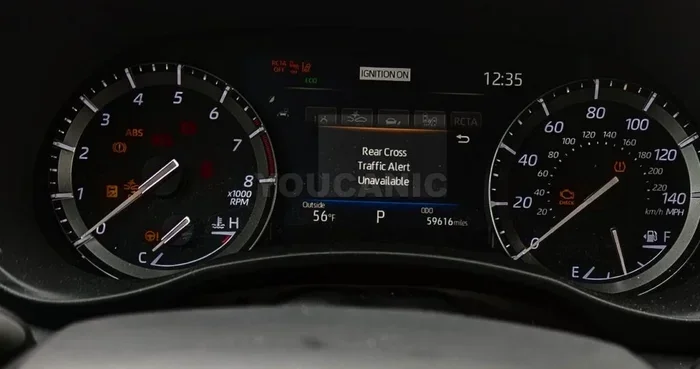
Why Is My RCTA Light On A Complete Troubleshooting Guide
If your RCTA light is on, it means your rear cross traffic alert system needs attention. This guide explains exactly why is my RCTA light on and gives you simple steps to fix it yourself. You will learn about common causes, warning patterns, and when to visit a mechanic.
You are backing out of a tight parking spot. Then you notice it. A small light on your dashboard that you have never seen before. It says RCTA. Your heart skips a beat. You start wondering, why is my RCTA light on? The good news is that you are not alone. This is one of the most common questions drivers ask about their vehicle safety features. The rear cross traffic alert system is designed to keep you safe. But when that light comes on, it can feel confusing and a little scary. This complete troubleshooting guide will walk you through everything you need to know. You will learn what the RCTA light means, why it turns on, and exactly how to fix it. Let us dive right in.
The rear cross traffic alert, or RCTA, is a smart safety feature found in most modern cars. It uses radar sensors mounted on your rear bumper. These sensors scan for approaching vehicles when you are reversing. Think of it as your extra set of eyes when backing up. The system is especially helpful in crowded parking lots. It warns you about cars, bikes, or pedestrians approaching from the sides. When the RCTA light illuminates on your dashboard, it is trying to tell you something. Sometimes it is just doing its job. Other times it is waving a red flag about a problem. Understanding the difference is the first step to solving the issue.
Key Takeaways
- Sensor Dirt or Damage: Dirty or blocked rear bumper sensors are the most common reason the RCTA light comes on.
- Electrical Issues: Faulty wiring or blown fuses can disrupt the RCTA system and trigger the dashboard light.
- System Malfunction: Software glitches or calibration errors may cause the RCTA warning light to stay illuminated.
- Blinking vs Steady Light: A blinking RCTA light means the system is active, while a steady light signals a problem.
- DIY Fixes Work: Many RCTA light issues can be resolved with simple cleaning, reset procedures, or fuse checks.
- Professional Help Matters: Persistent RCTA warnings after troubleshooting may indicate deeper sensor or module failure.
- Prevention Is Key: Regular cleaning and maintenance of your rear bumper sensors keeps the RCTA system working properly.
📑 Table of Contents
- What Is RCTA and How Does It Work?
- Common Reasons Why Is My RCTA Light On
- RCTA Light Blinking vs Steady: What Each Pattern Means
- How to Troubleshoot Your RCTA System
- When to See a Professional Mechanic
- Preventing RCTA Light Issues in the Future
- Understanding Your Vehicle Safety Systems Beyond RCTA
- Key Takeaways
- Conclusion
What Is RCTA and How Does It Work?
The RCTA system is part of your car’s broader driver assistance package. It works closely with your backup camera and parking sensors. When you shift into reverse, the rear radar sensors activate. They look for any moving objects in your path. If something is approaching from the left or right, the system alerts you. You might hear a beep or see a warning on the display. The RCTA light on the dashboard confirms the system is active. It is a green or yellow icon that looks like two arrows crossing behind your car. This is normal behavior. The light should turn off once you stop reversing or shift into drive.
Now, here is where things get tricky. If the RCTA light stays on or behaves strangely, something is wrong. The system relies on several components working together. Radar sensors sit on both sides of the rear bumper. Wiring connects these sensors to the car’s computer module. The module processes the data and sends signals to your dashboard. If any part of this chain fails, the RCTA light will come on. This is your car’s way of saying, “Hey, I need help.” Understanding this basic setup makes troubleshooting much easier.
The Role of Radar Sensors in Your Rear Bumper
Your car has two radar sensors on the rear bumper. They are usually hidden behind the bumper fascia. These sensors send out radio waves that bounce off nearby objects. The system calculates the speed and distance of approaching vehicles. This happens in milliseconds. The sensors are small but very precise. They can detect objects even in poor weather conditions. However, they are not indestructible. Dirt, snow, ice, or physical damage can interfere with their performance. When the sensors cannot do their job properly, the RCTA light will alert you. This is the system’s way of protecting you from false readings or missed warnings.
How the RCTA System Connects to Other Safety Features
The RCTA system does not work alone. It is connected to your car’s broader safety network. It shares data with the blind spot monitoring system. It also communicates with the backup camera and parking sensors. All of these features work together to create a safety net around your vehicle. When one part of the network has a problem, it can affect the others. This is why the RCTA light sometimes comes on alongside other warning lights. The car’s computer sees an issue in the system and flags it. Understanding this connection helps you see why a single warning light can have multiple causes.
Common Reasons Why Is My RCTA Light On
There are several reasons why your RCTA light might be on. Some are simple fixes. Others require professional attention. Let us go through the most common causes one by one. This will help you narrow down what is happening with your vehicle.
Dirty or Blocked Rear Bumper Sensors
This is the number one reason the RCTA light comes on. Your rear bumper sensors sit close to the ground. They are exposed to road dirt, mud, snow, and grime. When these sensors get covered, they cannot send or receive radar signals properly. The system detects a malfunction and turns on the RCTA light. This is actually a safety feature. The system would rather warn you than give you false information. If you have been driving through mud or snow recently, this is likely the cause. The fix is simple. Clean the rear bumper area with a soft cloth and warm water. Make sure to remove any visible debris from the sensor covers. After cleaning, drive a few feet forward and back. The light should turn off if dirt was the only issue.
Faulty Wiring or Electrical Connections
Behind your rear bumper, there is a harness of wires. These wires connect the radar sensors to the car’s computer. Over time, these connections can become loose or corroded. Road salt, moisture, and age can all damage wiring. When the electrical connection is interrupted, the RCTA system loses communication. The dashboard light turns on to alert you. This type of issue is more common in older vehicles or cars that have been through rough conditions. If cleaning the sensors does not fix the problem, a wiring issue could be the culprit. You may need a mechanic to inspect the rear bumper wiring harness.
Blown Fuse or Power Supply Issue
Every electronic system in your car needs power. The RCTA system is no different. It relies on a specific fuse in your car’s fuse box. If that fuse blows, the system loses power. The RCTA light will come on to let you know. Checking your fuses is one of the easiest troubleshooting steps. Refer to your owner’s manual to find the location of the fuse box. Look for the fuse labeled RCTA or rear cross traffic alert. If the fuse is blown, replace it with one of the same amperage. If the new fuse blows right away, there is a deeper electrical problem that needs professional diagnosis.
Sensor Calibration or Software Glitch
Modern cars rely heavily on software. The RCTA system is controlled by a computer module. Sometimes, this software can glitch. A sudden power loss, battery disconnect, or software update can cause calibration issues. When the system loses its calibration, the RCTA light may stay on. This does not mean your sensors are broken. It means the system needs to be recalibrated. In many cases, a simple reset will fix the problem. You can try turning your car off, waiting 30 seconds, and restarting it. If that does not work, a visit to the dealership or a qualified mechanic may be needed for a full system recalibration.
Physical Damage to the Rear Bumper or Sensors
If you have recently had a minor collision or scraped your bumper, the sensors could be damaged. Even a small impact can knock a radar sensor out of alignment. Cracks in the bumper can also let moisture into the sensor housing. Water inside the sensor causes electrical shorts and malfunctions. When physical damage is involved, the RCTA light will likely stay on. This type of issue cannot be fixed with a simple reset. You will need to have the sensors inspected and possibly replaced. A mechanic can use diagnostic tools to check if the sensors are still functioning properly.
Battery Voltage Drop or Charging System Problem
Your car’s electrical systems need a stable power supply. If your battery is weak or the charging system is failing, sensors can behave erratically. The RCTA system is sensitive to voltage fluctuations. A low battery voltage can cause the RCTA light to turn on even when the sensors are fine. If you notice other electrical issues too, like dimming headlights or slow power windows, the battery might be the real problem. Have your battery tested at an auto parts store. Most places will test it for free. Replacing an old battery often resolves multiple electrical warning lights at once.
RCTA Light Blinking vs Steady: What Each Pattern Means
The way your RCTA light behaves tells you a lot about the problem. Not all RCTA warnings are the same. The light pattern gives you important clues about what is happening.
Steady RCTA Light
A steady RCTA light usually means there is a system fault. The system has detected a problem and has disabled itself. This is a protective measure. When the light stays on constantly, the rear cross traffic alert is not working. You should not rely on this safety feature until the issue is fixed. A steady light often points to a sensor failure, wiring problem, or module error. It is important to address a steady RCTA light promptly. Driving without a working alert system means you are missing an important safety layer.
Blinking RCTA Light
A blinking RCTA light can mean two different things. First, it might mean the system is actively scanning for cross traffic. This is normal when you are in reverse. The blinking light tells you the alert system is working. Second, a rapid or continuous blinking light while driving forward can indicate a malfunction. If the light blinks when you are not reversing, something is wrong. Pay attention to when the blinking happens. This timing detail helps you and your mechanic diagnose the issue faster.
RCTA Light Flashing and Then Staying On
Some drivers report their RCTA light flashes briefly when starting the car and then stays on. A brief flash during startup is normal. It is the system performing a self-check. If the light stays on after the self-check is complete, that is a problem. This pattern often indicates a persistent sensor issue or a software error that needs resetting. Try the basic reset steps first. If the light persists, move on to more advanced troubleshooting or seek professional help.
How to Troubleshoot Your RCTA System
Now that you understand the common causes, let us walk through the troubleshooting process step by step. You do not need to be a mechanic to handle most of these steps. With a little patience, you can often fix the problem yourself.
Step 1: Clean the Rear Bumper Sensors
Start with the simplest fix. Grab a soft, clean cloth and some warm water. Gently wipe down both sides of your rear bumper. Look for the small sensor covers. They are usually flush with the bumper surface. Clean around them carefully. Remove any mud, snow, leaves, or debris. If you have been driving through tough conditions, this alone might solve the problem. After cleaning, start your car and put it in reverse. Watch the dashboard. If the RCTA light turns off, you are all set.
Step 2: Check the Fuses
Open your fuse box. Your owner’s manual will show you where it is and which fuse controls the RCTA system. Pull out the fuse and inspect it. Look for a broken filament inside the fuse. If it is blown, replace it with a new fuse of the same rating. This is a cheap and easy fix. Do not use a higher-rated fuse as a shortcut. That can cause electrical damage to your car.
Step 3: Reset the Car’s Computer
Sometimes the car’s computer just needs a fresh start. Turn off your engine and remove the key from the ignition. Wait at least 30 seconds. This allows the computer to fully power down. Reinsert the key and start the car. Watch the dashboard during startup. The RCTA light should go through its self-check and then turn off. If it stays on, the problem is more than a simple glitch.
Step 4: Inspect the Rear Bumper for Damage
Walk around your car and closely inspect the rear bumper. Look for cracks, dents, or signs of impact. Check if any sensors are loose or misaligned. If you see physical damage, the sensors may need professional repair or replacement. Do not try to fix physical damage yourself unless you have experience with bumper repair. Improper sensor alignment can cause the RCTA system to malfunction even worse.
Step 5: Check the Battery Voltage
Use a multimeter to check your battery voltage. A healthy car battery should read around 12.6 volts when the engine is off. If the voltage is below 12.0 volts, your battery may be weak. A weak battery can cause multiple electrical warning lights to come on. Try charging the battery or replacing it if it is old. After installing a new battery, the RCTA light may need a manual reset to turn off.
Step 6: Use an OBD2 Scanner for Diagnostics
If none of the above steps work, it is time to dig deeper. An OBD2 scanner is a handy tool for any car owner. You plug it into the diagnostic port under your dashboard. The scanner reads error codes from your car’s computer. These codes tell you exactly which part of the RCTA system has failed. You can buy an OBD2 scanner for under $50 at any auto parts store. Many auto parts stores will also read the codes for free. Write down the error codes and look them up online. This gives you a clear direction for the next steps.
When to See a Professional Mechanic
There is a limit to what you should try to fix yourself. Some RCTA issues require professional tools and expertise. Knowing when to call a mechanic saves you time and prevents further damage.
You should see a professional if the RCTA light stays on after you have tried all the basic troubleshooting steps. If the error codes from your OBD2 scanner point to a sensor failure, a mechanic has the right equipment to replace and recalibrate the sensor. Physical damage to the rear bumper that affects the sensor housing also needs professional attention. Water damage inside the sensor module is another situation that requires expert diagnosis. Additionally, if your RCTA light comes on alongside other warning lights, the problem might be bigger than just the alert system. Multiple warning lights can indicate a serious electrical or computer issue. Do not ignore these signs. A qualified mechanic can run a full diagnostic and get your safety systems back to working order.
Cost is another factor to consider. A simple sensor cleaning or fuse replacement costs very little. But sensor replacement can range from $200 to $600 depending on your vehicle model. The labor cost for calibration adds to the total. It is always better to address the problem early. A small issue left unchecked can turn into a much bigger and more expensive repair. When in doubt, get a professional opinion. It is better to be safe than sorry when it comes to your vehicle safety features.
Preventing RCTA Light Issues in the Future
The best way to deal with the RCTA light is to prevent problems before they start. Regular maintenance goes a long way in keeping your rear cross traffic alert system working properly.
Make it a habit to clean your rear bumper regularly. Pay special attention to the sensor areas. After driving through mud, snow, or salty roads, give the bumper a quick wash. This keeps the sensors clear and functioning at their best. Check your fuse box during routine maintenance visits. A blown fuse caught early prevents the RCTA light from coming on unexpectedly. Keep your car battery in good condition. Test it regularly and replace it every three to five years. A healthy battery supports all of your car’s electronic systems, including the RCTA alert system.
Avoid parking in tight spots where your rear bumper can get scraped or hit. Physical damage is one of the leading causes of RCTA sensor failure. If you do get a minor bump, inspect the rear bumper right away. Look for cracks or sensor misalignment. Catching damage early makes repair easier and less expensive. Finally, keep your car’s software up to date. Some RCTA issues are fixed through software updates from the manufacturer. Check with your dealership if there are any available updates for your vehicle model. These simple preventive steps can save you from the frustration of a persistent RCTA warning light.
Understanding Your Vehicle Safety Systems Beyond RCTA
The rear cross traffic alert is just one part of your car’s safety ecosystem. Understanding how it fits into the bigger picture helps you appreciate its importance. Most modern vehicles come with a suite of driver assistance features. These include forward collision warning, lane departure warning, and blind spot monitoring. The RCTA system works alongside all of these features to keep you safe on the road.
When your RCTA light is on, it can sometimes affect other safety systems too. The car’s computer monitors all these features together. A fault in one system can sometimes trigger warnings in others. This is why it is important to address the RCTA light quickly. Ignoring it means you are driving with reduced safety capabilities. Your backup camera, parking sensors, and blind spot monitoring all contribute to a safer driving experience. Keeping all these systems in good working order should be a priority for every driver.
Take some time to read your vehicle owner’s manual. It contains valuable information about each safety feature. You will learn what each warning light looks like and what it means. The manual also provides specific troubleshooting steps for your particular car model. This knowledge empowers you to handle warning lights with confidence. You will know exactly what to do and when to seek help. It is one of the best investments you can make as a car owner.
Key Takeaways
- Sensor Cleaning Matters: Dirty rear bumper sensors are the leading cause of the RCTA light turning on. Regular cleaning prevents most issues.
- Check Fuses First: A blown fuse is an easy and inexpensive fix that can resolve the RCTA warning light quickly.
- Reset the System: A simple computer reset often clears software glitches that cause the RCTA light to stay on.
- Watch the Light Pattern: A steady light means a system fault. A blinking light during reversing is normal. A blinking light while driving forward is a problem.
- Use Diagnostic Tools: An OBD2 scanner gives you specific error codes that point directly to the source of the problem.
- Know When to Call a Pro: Physical damage, sensor failure, and persistent lights after troubleshooting need professional attention.
- Preventive Maintenance Wins: Regular cleaning, battery care, and avoiding bumper damage keeps your RCTA system running smoothly.
Conclusion
So, why is my RCTA light on? The answer is usually simpler than you think. In most cases, it is a dirty sensor, a blown fuse, or a minor software glitch. With the troubleshooting steps in this guide, you can often fix the problem yourself. Start with the basics. Clean the sensors. Check the fuses. Reset the system. These simple actions resolve the issue more often than you might expect. If the problem persists, do not ignore it. Your rear cross traffic alert system is a vital safety feature. It helps you avoid accidents when backing up. Taking care of it means taking care of yourself and your passengers. Use this guide as your go-to resource whenever the RCTA light comes on. You now have the knowledge and confidence to handle it like a pro. Stay safe on the road and keep that rear alert system working at its best.
Frequently Asked Questions
Can I still drive my car if the RCTA light is on?
Yes, you can still drive, but your rear cross traffic alert system will not be working. This means you will not get warnings about approaching traffic when reversing. Use extra caution when backing up and check your mirrors and mirrors carefully. Have the issue addressed as soon as possible to restore your safety features.
How much does it cost to fix an RCTA sensor?
The cost depends on your vehicle and the extent of the damage. A simple sensor cleaning costs nothing. Replacing a single radar sensor typically ranges from $200 to $600 including parts and labor. Full system recalibration may add to the cost. Always get a quote from a trusted mechanic before proceeding with repairs.
Why does my RCTA light come on in bad weather?
Rain, snow, and ice can temporarily block your rear bumper sensors. The system may disable itself when it cannot get accurate readings. This is a safety feature to prevent false alerts. The light should turn off once the sensors are clear and conditions improve. If it stays on, there may be moisture inside the sensor housing that needs attention.
Will disconnecting the battery reset the RCTA light?
Disconnecting the battery for 15 to 30 minutes can sometimes reset the car’s computer and clear the RCTA light. This works for minor software glitches. However, if the underlying problem is not fixed, the light will come back on. Use this method as a first step, not a permanent solution.
How often should I clean my rear bumper sensors?
You should clean your rear bumper sensors at least once a month. Clean them more often if you drive in dirty, snowy, or salty conditions. Regular cleaning keeps the sensors working properly and prevents the RCTA light from coming on unnecessarily. A quick wipe with a damp cloth is all it takes.
Can a dead battery cause the RCTA light to come on?
Yes, a weak or dying battery can cause the RCTA light to illuminate. Low voltage affects the performance of all electronic systems in your car. If you notice multiple warning lights at once, the battery is a likely suspect. Have your battery tested and replaced if needed to restore proper function to your vehicle safety systems.