Does the Toyota Camry Have Tire Pressure Monitoring
Yes, the Toyota Camry comes with a tire pressure monitoring system on most model years. This system alerts you when tire pressure drops below safe levels. Understanding how the Toyota Camry tire pressure monitoring system works helps you stay safe and save money on fuel.
You are driving your Toyota Camry down the highway. Then, a yellow warning light pops up on the dash. It looks like a horseshoe with an exclamation point in the middle. What does it mean? More importantly, does the Toyota Camry have a tire pressure monitoring system that can help you figure this out?
The short answer is yes. Most Toyota Camry models come equipped with a tire pressure monitoring system, often called TPMS. This system keeps an eye on the air pressure inside each tire. When pressure drops too low, it sends a warning to your dashboard. This feature has become standard on most vehicles sold in the United States since 2007. But the details vary by model year and trim level.
Understanding how the Toyota Camry tire pressure monitoring system works can save you time, money, and stress. Low tire pressure leads to poor fuel economy. It also increases the risk of a blowout. A properly functioning TPMS helps you catch problems early. In this guide, we will walk through everything you need to know about the Camry’s TPMS. We will cover how it works, what the warning lights mean, and how to troubleshoot common issues.
Key Takeaways
- The Toyota Camry includes a TPMS on most newer models: This system tracks air pressure in each tire and warns you of low pressure.
- The TPMS light looks like a horseshoe with an exclamation mark: Recognizing this symbol helps you act fast when pressure drops.
- Resetting the system is usually simple: Most Toyota Camrys let you reset the tire pressure monitoring light with a button or menu step.
- Underinflated tires hurt fuel economy: Proper inflation improves mileage and tire life.
- Sensor failure is common in older Camrys: Battery death or damage can trigger false warnings.
- Manual checks still matter: A tire pressure gauge gives you the most accurate reading.
📑 Table of Contents
- What Is a Tire Pressure Monitoring System?
- How Does the Toyota Camry TPMS Work?
- Common TPMS Problems in the Toyota Camry
- How to Reset the TPMS Light on a Toyota Camry
- Why Proper Tire Pressure Matters for the Toyota Camry
- How to Check Your Toyota Camry Tire Pressure Manually
- When to Replace TPMS Sensors
- Can You Drive the Toyota Camry With the TPMS Light On?
- Toyota Camry TPMS Across Different Model Years
- Tips to Keep Your Toyota Camry TPMS in Good Shape
- Conclusion
What Is a Tire Pressure Monitoring System?
A tire pressure monitoring system is an electronic system that watches the air pressure inside your tires. It sends real-time data to your car’s computer. If the pressure falls below the recommended level, the system triggers a warning. Most modern cars, including the Toyota Camry, use one of two types of TPMS.
Direct TPMS
Direct TPMS uses a small sensor inside each tire. These sensors sit on the valve stem or are mounted inside the tire. They measure the actual air pressure and send the data wirelessly to the car’s computer. The Toyota Camry uses direct TPMS on most model years from 2007 onward. These sensors are very accurate. They can detect pressure drops as small as one pound per square inch.
Each sensor has a small battery that lasts several years. When the battery dies, the sensor needs replacement. A dead battery often triggers the TPMS light. This is one of the most common reasons Camry owners see a tire pressure warning even when the tires are fine.
Indirect TPMS
Indirect TPMS does not use physical sensors inside the tire. Instead, it uses the car’s anti-lock braking system (ABS) sensors. These sensors measure how fast each wheel is spinning. A tire with low pressure has a smaller rolling radius. This causes it to spin faster than the other tires. The car’s computer notices this difference and triggers a warning.
Indirect systems are less precise than direct systems. They also need recalibration after you rotate or replace tires. However, they cost less to maintain. Some older Toyota Camry models used this approach before switching to direct TPMS.
How Does the Toyota Camry TPMS Work?
The Toyota Camry’s tire pressure monitoring system is designed to be simple and reliable. Here is how it works step by step.
- The sensors inside each tire measure the current air pressure.
- The sensors transmit this data to a receiver module in the car.
- The car’s computer compares the readings to the recommended pressure.
- If the pressure drops 25% or more below the recommended level, the TPMS light comes on.
- The driver sees the warning on the dashboard and can take action.
The recommended tire pressure for most Toyota Camry models falls between 30 and 35 PSI. You can find the exact number on a sticker inside the driver’s door frame. Always check your owner’s manual for the specific recommendation for your model year.
What the TPMS Light Looks Like
The TPMS warning light is easy to recognize. It looks like a cross-section of a tire with an exclamation mark in the center. The symbol is usually yellow or amber. When this light stays on while driving, it means one or more tires have low pressure. If the light flashes when you start the car and then stays on, it often indicates a sensor malfunction.
Do not ignore this light. Driving on underinflated tires is dangerous. It reduces handling, increases stopping distance, and can lead to a tire failure. If you see the Toyota Camry tire pressure monitoring light, pull over safely and check your tire pressure as soon as possible.
Common TPMS Problems in the Toyota Camry
Like any electronic system, the TPMS in a Toyota Camry can develop problems over time. Here are the most common issues owners face.
Dead Sensor Battery
Each TPMS sensor runs on a small battery. These batteries typically last between five and ten years. When the battery dies, the sensor stops sending data. The car’s computer then triggers the TPMS light. This is the number one reason Camry owners get a false warning. Replacing the sensor battery or the entire sensor unit solves the problem.
Sensor Damage from Road Hazards
The TPMS sensors sit on or inside the tire. They take a beating from potholes, curbs, and road debris. A strong impact can crack the sensor housing or damage the internal components. If you hit a pothole hard and then see the TPMS light, get the sensors checked. Sometimes a simple recalibration is enough. Other times, the sensor needs replacement.
Temperature Changes
Cold weather causes tire pressure to drop. This is basic physics. Air molecules slow down in cold temperatures and take up less space. A Camry that reads perfectly fine in summer might trigger the TPMS light in winter. If you notice the light only in cold months, this is likely the cause. Simply adding air to the recommended PSI usually fixes the issue.
After Tire Rotation or Replacement
When you rotate your tires or install new ones, the TPMS sensors may need recalibration. The system might not recognize the new sensor positions right away. This can cause a blinking TPMS light after service. Most Toyota Camrys have a reset procedure to handle this. We will cover that below.
System Malfunction
Sometimes the TPMS system itself malfunctions. This can happen due to wiring issues, a faulty receiver module, or software glitches. If the light comes on and none of the tires are low, the system itself may need diagnosis. A mechanic with a TPMS tool can read the error codes and pinpoint the problem.
How to Reset the TPMS Light on a Toyota Camry
Resetting the TPMS light on a Toyota Camry is usually straightforward. The exact steps depend on your model year. Here is a general guide that works for most Camrys.
Method 1: Reset Button
Many Toyota Camrys have a TPMS reset button. It is usually located beneath the steering column or on the left side of the dashboard. Follow these steps:
- Turn the ignition to the “ON” position. Do not start the engine.
- Press and hold the TPMS reset button until the warning light blinks three times.
- Start the engine and let the car idle for about 20 minutes.
- The light should turn off once the system recalibrates.
Method 2: Through the Infotainment System
Newer Toyota Camry models let you reset the TPMS through the touchscreen display. Navigate to the vehicle settings menu. Look for the tire pressure monitoring option. Select “Reset” or “Recalibrate.” The system will relearn the sensor positions and turn off the light if all tires are properly inflated.
Method 3: Drive at Steady Speed
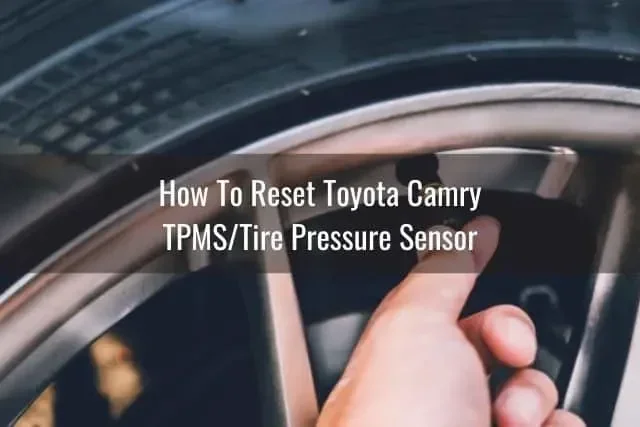
On some Camry models, simply driving at a steady speed of 50 miles per hour for about 10 minutes can reset the system. The car’s computer relearns the tire sensor IDs during this time. The TPMS light should turn off automatically.
Important: Always make sure your tires are properly inflated before resetting the TPMS light. Resetting the light without fixing the actual problem will only mask a safety issue. Also, if you are unsure about the process, check your owner’s manual or consult a certified Toyota service center.
Why Proper Tire Pressure Matters for the Toyota Camry
Tire pressure is one of the simplest things you can manage for your Camry, yet many drivers overlook it. Proper inflation affects safety, fuel economy, and tire longevity.
Safety
Underinflated tires are the leading cause of tire blowouts. A tire with low pressure overheats, especially at highway speeds. The sidewall flexes more than it should. This can cause the tire to separate from the tread. A blowout at high speed is extremely dangerous. The Toyota Camry tire pressure monitoring system helps prevent this by warning you early.
Fuel Economy
Underinflated tires create more rolling resistance. This means your engine works harder to keep the car moving. Studies show that tires underinflated by just 10 PSI can reduce fuel economy by up to 3%. Over time, this adds up to real money at the pump. Keeping your Camry’s tires at the recommended PSI helps you get the best gas mileage possible.
Tire Longevity
Low tire pressure causes uneven wear on the outer edges of the tread. Overinflated tires wear down the center of the tread. Both conditions shorten the life of your tires. Proper inflation keeps wear even and predictable. This means you get more miles out of each set of tires.
For the best results, check your Camry’s tire pressure at least once a month. Use a reliable tire pressure gauge for manual checks. The TPMS is a helpful backup, but it should not replace regular manual inspections.
How to Check Your Toyota Camry Tire Pressure Manually
Even with a working TPMS, manual tire pressure checks are essential. The system only alerts you when pressure drops significantly. A slow leak might go unnoticed for days. Regular manual checks catch problems early.
Here is how to check your Camry’s tire pressure the right way:
- Check tire pressure when the tires are cold. Driving heats up the air inside the tire and raises the reading. Park the car for at least three hours before checking.
- Find the recommended PSI on the sticker inside the driver’s door frame or in the owner’s manual.
- Remove the valve cap from the tire.
- Press the tire pressure gauge firmly onto the valve stem.
- Read the number on the gauge and compare it to the recommended PSI.
- If the pressure is low, add air until it reaches the correct level.
- Replace the valve cap and repeat for all four tires.
Carrying a portable tire pressure gauge in your Camry’s trunk is a smart move. You never know when you will need to check pressure on the road. A small investment in a quality gauge can prevent expensive tire damage.
When to Replace TPMS Sensors
TPMS sensors do not last forever. The batteries inside them eventually die. In most cases, the entire sensor unit needs replacement. Here are signs that it is time to replace your sensors.
- The TPMS light stays on even after you inflate all tires to the correct pressure.
- The light flashes when you start the car and then stays on.
- Your tire pressure readings are inconsistent between tires.
- The TPMS light comes on after a recent tire service or rotation.
- Your Camry is more than 10 years old and the sensors have never been replaced.
Replacing a TPMS sensor typically costs between $50 and $250 per sensor, depending on the model year and where you go for service. Some tire shops offer free sensor replacement if you buy new tires from them. Always ask about this when shopping for new tires for your Camry.
Can You Drive the Toyota Camry With the TPMS Light On?
This is a common question among Camry owners. The short answer is: it depends. If the light comes on and stays solid, it usually means one or more tires are underinflated. You should check the tire pressure right away. If the pressure is only slightly low, you can drive a short distance to a gas station or tire shop.
However, if the light flashes, it often indicates a sensor malfunction. The tires may be fine, but the system cannot read them properly. In this case, you can usually drive to a service center safely. That said, you should not ignore the light for long. A malfunctioning TPMS means you are driving blind when it comes to tire pressure awareness.
For more information about driving your Camry with warning lights on, check out our guide on Can I Drive My Toyota Camry With the Check Engine Light On. It covers similar concerns about warning lights and safe driving.
If the TPMS light comes with other warning lights, reduce your speed and pull over safely. Multiple warning lights can indicate a more serious issue that needs immediate attention.
Toyota Camry TPMS Across Different Model Years
The TPMS system has evolved over the years. Here is a quick look at how it has changed across different Camry generations.
| Model Year Range | TPMS Type | Key Features |
|---|---|---|
| 2007 – 2011 | Direct TPMS | Standard on all trims. Sensors mounted on valve stems. |
| 2012 – 2017 | Direct TPMS | Improved sensor accuracy. Easier reset procedure. |
| 2018 – 2024 | Direct TPMS | Advanced sensors with longer battery life. Reset through infotainment screen. |
No matter the model year, the Toyota Camry has included some form of tire pressure monitoring for over 15 years. This is a testament to Toyota’s commitment to safety and driver awareness. If you own an older Camry, make sure your TPMS sensors are functioning properly. Replacing old sensors is a small cost that pays off in safety and peace of mind.
Tips to Keep Your Toyota Camry TPMS in Good Shape
Taking care of your TPMS helps it work reliably for years. Here are some practical tips to keep the system in good shape.
- Check tire pressure monthly: Do not rely solely on the TPMS. Manual checks catch slow leaks early.
- Replace valve stems when changing tires: Old valve stems can leak air. New ones keep seals tight.
- Keep the TPMS reset procedure handy: After rotating tires or adding air, reset the system to clear any warnings.
- Watch for sensor battery life: Most TPMS sensor batteries last 5 to 10 years. If your Camry is getting older, plan for sensor replacement.
- Avoid hitting potholes and curbs: Road hazards damage TPMS sensors. Slow down for rough roads when possible.
- Use the correct sensors for your model: Not all TPMS sensors are interchangeable. Always use sensors compatible with your Camry’s year and trim.
- Read the owner’s manual: Your Camry’s manual has specific TPMS instructions tailored to your model year.
For more Toyota Camry maintenance tips, check out our article on How Can I Tell Which Tire Is Low. It covers practical ways to identify tire pressure issues before the TPMS light even comes on.
Conclusion
The Toyota Camry does have a tire pressure monitoring system, and it is one of the most important safety features on the car. The Toyota Camry tire pressure monitoring system uses direct sensors to track air pressure in each tire. When pressure drops too low, the TPMS light warns you on the dashboard. Understanding how this system works helps you respond quickly and keep your car running safely.
Common issues like dead sensor batteries, temperature changes, and sensor damage can trigger false warnings. Resetting the system is usually simple, and manual tire pressure checks remain essential. Keeping your Camry’s tires properly inflated improves safety, fuel economy, and tire life.
Take care of your TPMS, and it will take care of you. Check your tire pressure regularly, replace old sensors when needed, and never ignore that warning light on your dashboard. A little attention to tire pressure goes a long way toward keeping your Toyota Camry running strong for years to come.
For more helpful Toyota Camry information, explore our other articles on Camry maintenance, performance, and troubleshooting. Staying informed keeps you safe on the road.
Frequently Asked Questions
Does every Toyota Camry come with a tire pressure monitoring system?
Yes, every Toyota Camry sold in the United States since 2007 comes standard with a direct TPMS. This is a federal safety requirement for all new vehicles sold in the U.S. If you own an older Camry from before 2007, it may not have this feature, and you can add an aftermarket TPMS kit if needed.
Can I reset the TPMS light myself on a Toyota Camry?
Yes, most Toyota Camrys allow you to reset the TPMS light yourself. The reset button is usually located under the steering column. Newer models may offer a reset option through the infotainment screen. Always make sure your tires are properly inflated before resetting the system.
How much does it cost to replace a TPMS sensor on a Toyota Camry?
Replacing a single TPMS sensor typically costs between $50 and $250, depending on the model year and whether you go to a dealership or an independent shop. Some tire retailers offer free sensor replacement when you purchase new tires. The labor is usually quick, taking about 30 minutes per sensor.
Why does my Toyota Camry TPMS light come on in cold weather?
Cold weather causes the air inside your tires to contract, which lowers the tire pressure. A drop of about 1 PSI for every 10 degrees Fahrenheit is normal. If the pressure drops below the TPMS threshold, the light comes on. Simply adding air to the recommended PSI usually resolves the issue.
How accurate is the Toyota Camry tire pressure monitoring system?
The direct TPMS on the Toyota Camry is quite accurate. It can detect pressure changes of about 1 PSI. However, it only triggers a warning when pressure drops 25% or more below the recommended level. This means the system is designed to alert you to significant pressure loss, not minor fluctuations. Using a manual tire pressure gauge gives you the most precise reading.
Can I drive my Toyota Camry with the TPMS light flashing?
A flashing TPMS light usually indicates a sensor malfunction rather than low tire pressure. You can drive a short distance to a service center safely. However, do not ignore a flashing light for an extended period. A malfunctioning TPMS means you lose the safety benefit of automatic tire pressure monitoring. Have the system diagnosed and repaired as soon as possible.