How Much Does It Cost to Fix an Overheating Car Today
The cost to fix an overheating car typically ranges from $100 to $2,500 depending on the root cause and severity of the damage. A simple thermostat replacement might cost around $150 to $300, while a blown head gasket repair can easily exceed $1,500. Understanding the specific cause of your overheating car is the first step toward getting an accurate repair estimate.
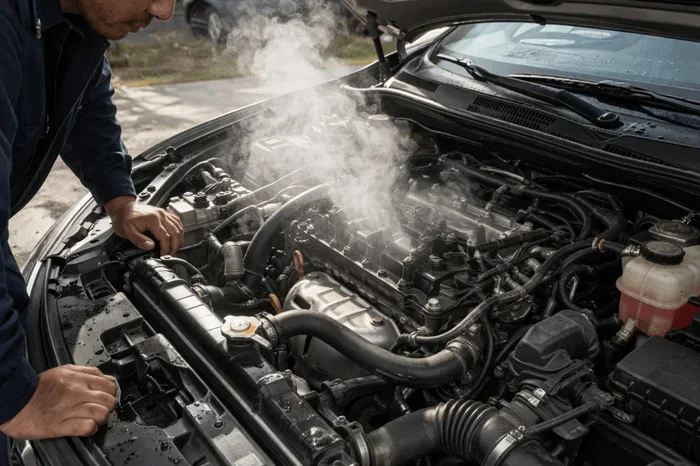
You are driving down the road when you notice the temperature gauge climbing. Before you know it, steam is rising from under the hood. Your car is overheating, and your mind immediately jumps to the same question: how much does it cost to fix an overheating car?
The answer is not as straightforward as you might hope. Repair costs can swing wildly based on what caused the problem in the first place. A minor fix like replacing a thermostat might set you back just a couple hundred dollars. But if the overheating has damaged your engine head gasket, you could be looking at well over a thousand dollars.
This guide breaks down the real numbers behind overheating car repair costs. We will walk through the most common causes, what each repair typically costs, and how to avoid getting hit with a massive bill. By the end, you will have a clear picture of what to expect and how to handle the situation calmly.
Let us dive into the details so you can make informed decisions when your car starts running hot.
Key Takeaways
- Minor overheating fixes like thermostat or radiator cap replacement cost between $100 and $300.
- Major repairs such as head gasket or water pump replacement can range from $500 to $2,500.
- Driving while overheating can cause catastrophic engine damage and multiply repair costs dramatically.
- Regular maintenance including coolant flushes and belt checks can prevent overheating issues.
- Car insurance typically does not cover overheating-related repairs unless a covered incident caused the damage.
- Getting multiple quotes from trusted mechanics helps ensure you pay fair market rates.
📑 Table of Contents
Common Causes of an Overheating Car
Before you can understand the cost, you need to know what is actually broken. Overheating happens when your engine cannot regulate its temperature properly. Several components work together to keep things cool, and when one fails, the whole system suffers.
Low Coolant or Coolant Leaks
Coolant is the lifeblood of your car’s cooling system. It absorbs heat from the engine and carries it away through the radiator. When coolant levels drop too low, your engine starts to overheat quickly.
Leaks can develop in hoses, the radiator, the water pump, or even the engine block itself. A small drip might not seem like a big deal, but over time it can lead to serious engine overheating problems. Fixing a simple coolant leak might cost between $100 and $300. This covers the parts and labor to replace a hose or seal a small leak. However, if the leak is inside the engine block, costs can jump significantly.
Faulty Thermostat
The thermostat controls the flow of coolant through your engine. When it gets stuck closed, coolant cannot circulate, and heat builds up fast. This is one of the most common reasons cars overheat, and fortunately, it is also one of the least expensive to fix.
A thermostat replacement cost typically falls between $150 and $300. The part itself is inexpensive, and the labor is straightforward for most mechanics. This is a repair you should never ignore, because a stuck thermostat can lead to much bigger problems if left unchecked.
Broken Water Pump
The water pump is responsible for circulating coolant throughout the engine. When it fails, coolant stops moving, and temperatures spike. Water pump failure can happen due to age, worn bearings, or a leaking seal.
Water pump replacement costs generally range from $400 to $800, depending on your vehicle model. Labor makes up a large portion of this cost because the pump is often located in a hard-to-reach spot on the engine. This is a repair you do not want to delay, because a failed water pump can cause rapid overheating and engine damage.
Radiator Problems
Your radiator releases heat from the coolant into the air. When it becomes clogged, damaged, or develops leaks, it cannot do its job effectively. A clogged radiator is especially common in older vehicles that have not had regular coolant flushes.
Replacing a radiator can cost anywhere from $300 to $900. A radiator flush, which is a simpler and cheaper option for minor clogs, typically runs between $100 and $200. If your radiator is leaking, even a small patch job should be done promptly to prevent the problem from escalating.
Head Gasket Failure
This is the nightmare scenario. The head gasket seals the connection between the engine block and the cylinder head. When it blows, coolant can leak into the combustion chambers, and the engine loses its ability to regulate temperature.
A head gasket repair cost is one of the most expensive overheating fixes. Expect to pay between $1,000 and $2,500 depending on your vehicle. The labor is intensive because the mechanic must remove a large portion of the engine to access the gasket. Ignoring early signs of a failing head gasket can turn a costly repair into a catastrophic engine failure. If you notice white smoke from the exhaust, a milky oil residue, or persistent overheating, get your car inspected immediately.
Other Contributing Factors
Several other issues can cause or contribute to overheating. A dirty air filter can restrict airflow and cause your engine to run hotter than normal. You can read more about this in our article on can a dirty air filter cause a car to overheat.
A worn serpentine belt can prevent the water pump and fan from operating correctly. Similarly, a bad timing belt can cause overheating in interference engines where the timing is critical to valve clearance. Learn more about this in our guide on can a bad timing belt cause a car to overheat.
In some cases, a clogged catalytic converter creates back pressure that raises engine temperatures. Our article on can a bad catalytic converter cause a car to overheat explores this connection in detail. Even a malfunctioning cooling fan can prevent proper airflow through the radiator, especially at low speeds or in stop-and-go traffic.
Breakdown of Overheating Repair Costs
Now that you know the common causes, let us look at the numbers. Repair costs vary based on your vehicle, your location, and the severity of the damage. Below is a realistic breakdown of overheating car repair costs for the most common fixes.
Average Repair Costs by Component
Here is a practical price guide to help you budget for your engine overheating repair:
- Thermostat Replacement: $150 to $300
- Coolant Flush and Refill: $100 to $200
- Radiator Hose Replacement: $50 to $150 per hose
- Radiator Cap Replacement: $50 to $100
- Radiator Replacement: $300 to $900
- Water Pump Replacement: $400 to $800
- Head Gasket Repair: $1,000 to $2,500
- Engine Block Repair (worst case): $2,500 to $4,000+
These are national averages and can vary based on your specific vehicle and local labor rates. Luxury vehicles and European models like BMWs and Mercedes tend to cost more due to higher parts and labor expenses. A simple coolant leak repair cost at the lower end might only require a hose replacement and a fresh coolant refill, while a more complex cooling system repair cost involving the water pump and thermostat together could push the bill closer to $1,000.
Factors That Influence the Final Cost
Several variables can push your repair bill higher or lower. Understanding these factors helps you anticipate costs and avoid surprises.
Vehicle Make and Model: A Toyota or Honda will generally cost less to repair than a European luxury vehicle. Parts are more accessible and mechanics are more familiar with common models. For example, a thermostat replacement on a Honda Civic will likely cost less than the same repair on a BMW 3 Series.
Extent of the Damage: If you caught the overheating early and only the thermostat is damaged, the cost is low. But if you kept driving while the engine was overheating, you might face additional damage to pistons, cylinders, or the engine block itself. This is why overheating car warning signs should never be ignored.
Labor Rates in Your Area: Mechanics in major cities typically charge more per hour than those in rural areas. This is simply a matter of cost of living and overhead. Always ask for the labor rate per hour before authorizing any work.
New vs. Used Parts: OEM (original equipment manufacturer) parts cost more than aftermarket alternatives. However, OEM parts often come with better warranties and a closer fit to your vehicle’s specifications. For car repair estimates, always ask your mechanic which type of parts they plan to use.
What Happens If You Keep Driving an Overheating Car?
This is the part that scares me every time I see someone driving with steam pouring from their hood. Continuing to drive an overheating car can turn a $200 repair into a $3,000 engine replacement. Here is what can happen step by step.
First, the excess heat warps the cylinder head. This is a relatively minor issue compared to what comes next. Then, the warped head can cause the head gasket to fail. Once the head gasket blows, coolant enters the combustion chamber, and the engine starts to run poorly.
If you still do not stop, the engine block can crack. A cracked engine block means the engine is totaled in most cases. At that point, you are looking at a full engine replacement or a completely new vehicle. The key takeaway here is simple. Pull over safely the moment you notice your car overheating. Turn off the engine and let it cool down. Call for a tow if needed. The cost of a tow is nothing compared to a destroyed engine.
Remember that engine repair cost escalates fast when you ignore warning signs. What starts as a $200 fix can become a $3,000 problem within just a few miles of continued driving.
Does Car Insurance Cover Overheating Repairs?
Many car owners assume their insurance will cover overheating repairs. Unfortunately, this is almost never the case. Standard auto insurance policies cover accidents, theft, and weather-related damage. They do not cover mechanical failures like overheating.
However, there are exceptions. If your car overheated because of a collision, your collision coverage might apply. Similarly, if a covered event like a fire caused the engine damage, comprehensive coverage could help. For most drivers, overheating repairs are a self-pay expense. This is why understanding the potential costs and maintaining your vehicle properly is so important.
You can learn more about what your insurance does and does not cover in our article on does car insurance cover a blown engine. It covers related scenarios that help clarify what your policy might include and when coverage may apply to engine-related damage.
How to Prevent Overheating and Save Money
The best way to deal with an overheating car is to prevent it from happening in the first place. Regular maintenance keeps your cooling system healthy and can save you hundreds or even thousands of dollars in repair bills.
Follow Your Maintenance Schedule
Check your owner’s manual for the recommended coolant flush interval. Most manufacturers suggest flushing and replacing coolant every 30,000 to 50,000 miles. Sticking to this schedule keeps your cooling system working efficiently and prevents buildup that can cause blockages and overheating.
Monitor Your Temperature Gauge
Get in the habit of glancing at your temperature gauge while driving. If you notice it creeping into the hot zone, pull over safely and investigate. Catching an overheating problem early can mean the difference between a $200 fix and a $2,000 repair. Do not wait until you see steam before you take action.
Inspect Hoses and Belts Regularly
Look under your hood periodically for cracked or swollen hoses. Squeeze the radiator hoses gently. If they feel hard or spongy, it is time to replace them. Also, check the serpentine belt for cracks or fraying. A belt that is about to fail can prevent your water pump and cooling fan from working correctly.
Keep an Eye on Coolant Levels
Check your coolant reservoir regularly. If you notice the level dropping, you likely have a leak that needs attention. Topping off the coolant temporarily solves the problem, but it does not fix the underlying leak. Address the root cause quickly to prevent further damage.
Address Small Problems Immediately
Do not ignore small warning signs like a slightly rising temperature gauge or a faint coolant smell. These are early indicators that something is wrong. Addressing them quickly prevents the small problem from becoming a big expense. A few dollars spent on a small fix today can save you thousands tomorrow.
When to See a Mechanic vs. When to DIY
Some overheating repairs are simple enough for a weekend mechanic. Others require professional tools and expertise. Here is a quick guide to help you decide.
DIY-Friendly Repairs: Topping off coolant, replacing a radiator cap, or swapping out a radiator hose are tasks most car owners can handle with basic tools and a little patience. These repairs typically cost only the price of the parts, which ranges from $20 to $100. Just make sure your engine is completely cool before you start working on anything.
Professional Repairs: Replacing a thermostat, water pump, or radiator requires more mechanical knowledge and specialized tools. A head gasket repair is definitely a job for a professional mechanic. Attempting this without experience can lead to costly mistakes and additional damage.
If you are unsure about any repair, it is always better to consult a professional. Many shops offer free or low-cost diagnostics that can pinpoint the exact problem quickly. This small investment can save you from misdiagnosing the issue and paying for unnecessary parts.
How to Get the Best Repair Quote
Nobody wants to overpay for car repairs, but many drivers accept the first quote they receive. Taking a little extra time can save you real money.
First, get at least three quotes from different shops. Independent mechanics often charge less than dealership service centers, but dealerships have factory-trained technicians who specialize in your specific brand. Compare not just the total price but also what is included in each quote.
Second, ask for a detailed breakdown of the quote. A good mechanic will separate parts costs from labor costs and explain exactly what needs to be replaced. If a quote seems vague or unusually low, ask for clarification before approving the work.
Third, ask about warranties on both parts and labor. Reputable shops stand behind their work and offer guarantees that give you peace of mind. A shop that warranties its repairs for at least 90 days is a good sign of quality and confidence in their work.
Conclusion
The cost to fix an overheating car depends entirely on what caused the problem and how long you drove while it was overheating. A simple thermostat replacement might cost you $150 to $300. A blown head gasket can push that number past $1,500. In the worst case, a cracked engine block means you are facing a full engine replacement or a new car altogether.
The good news is that regular maintenance goes a long way toward preventing overheating issues. Check your coolant levels, follow your flush schedule, and pay attention to your temperature gauge. These small habits can save you from expensive repairs down the road.
If your car is currently running hot, do not ignore it. Pull over safely, let the engine cool, and get it inspected as soon as possible. The faster you address the problem, the less it will cost you. Taking action now is the smartest thing you can do for both your car and your wallet. A quick response to overheating car symptoms today can save you from a devastating repair bill tomorrow.
Frequently Asked Questions
Can I drive my car after it overheats?
It is not safe to keep driving an overheating car. Continuing to drive can cause the engine to warp, crack, or suffer catastrophic damage. Pull over safely, turn off the engine, and wait for it to cool down before calling for a tow or inspection.
How much does it cost to fix a car that overheated and now won’t start?
If overheating caused your car not to start, the damage is likely severe. Costs can range from $500 for a minor issue like a blown fuse to over $3,000 for a damaged engine. A professional diagnosis is essential to determine the exact cause and repair cost.
Is it worth repairing an older car that overheats?
It depends on the repair cost and the overall value of the vehicle. A $200 thermostat replacement is usually worth it. But if the repair costs more than half the car’s value, it may be more practical to sell the car or invest in a replacement.
How long does it take to repair an overheating car?
Simple repairs like thermostat or hose replacement can be done in one to two hours. More complex repairs like a water pump or radiator replacement may take half a day. A head gasket repair can require one to three days of work depending on the engine design.
Can low oil cause a car to overheat?
Yes, low oil can contribute to overheating. Oil lubricates engine components and helps absorb heat. When oil levels are too low, friction increases and heat builds up. Always check your oil level regularly and keep it at the recommended level.
Does car insurance cover any overheating-related damage?
Standard car insurance does not cover mechanical failures like overheating. However, if the overheating was caused by a covered event such as a collision or fire, your insurance may apply. Check with your provider for specific details about your policy coverage.