How Long Does It Take for an Oil Sensor to Fully Reset
Resetting your oil sensor typically takes between 5 and 15 minutes, depending on your vehicle make and model. The oil sensor reset process is a simple procedure that ensures your maintenance reminder accurately reflects your fresh oil change. Whether you drive a Toyota, Honda, or another popular brand, this guide walks you through every method with confidence.
Key Takeaways
- Reset time varies: Most oil sensors reset in under 15 minutes using the dashboard menu.
- Multiple methods exist: You can reset via the steering wheel controls, the infotainment system, or a manual trip meter trick.
- Don’t skip the reset: An unreset sensor gives false readings and may cause unnecessary service anxiety.
- Oil life percentage matters: The sensor tracks oil quality, not just mileage, so understanding this helps you maintain your engine better.
- When in doubt, consult a pro: Some vehicles require a diagnostic tool for the oil sensor reset process.
- Regular maintenance helps: Pairing your sensor reset with timely oil filter replacement keeps your engine running smoothly.
📑 Table of Contents
- How Long Does It Take for an Oil Sensor to Fully Reset?
- What Is an Oil Sensor and How Does It Work?
- How Long Does the Reset Process Actually Take?
- Step-by-Step Guide to Resetting Your Oil Sensor
- Why Might Your Oil Sensor Not Reset Properly?
- Common Mistakes People Make When Resetting Oil Sensors
- Expert Tips for Maintaining Your Oil Sensor
- When Should You See a Professional for Oil Sensor Issues?
- How Oil Sensor Reset Relates to Overall Vehicle Maintenance
- Conclusion
How Long Does It Take for an Oil Sensor to Fully Reset?
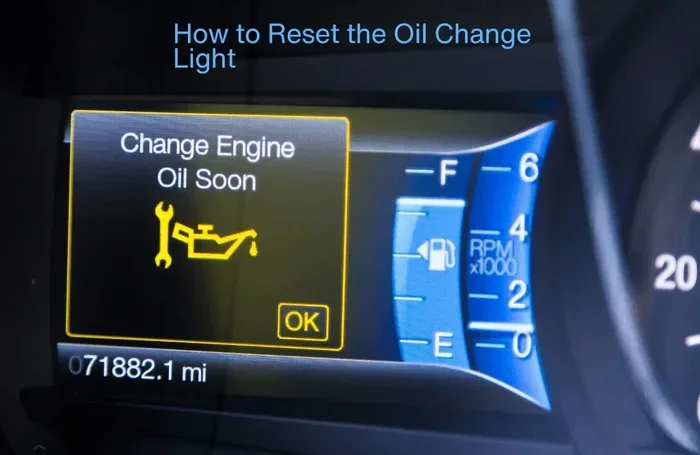
You just got your oil changed. The mechanic hands you the keys, and you drive off feeling great. But then you notice it. That little oil can icon is still glowing on your dashboard. It is annoying. It is confusing. And it makes you wonder: how long does it take for an oil sensor to fully reset?
The good news is that most oil sensor reset procedures take only a few minutes. In many vehicles, you can complete the entire process in under 15 minutes. Some cars even reset automatically once you start the engine after an oil change. However, certain models require a manual reset, and a few need professional diagnostic equipment.
This guide covers everything you need to know about the oil sensor reset timeline. You will learn the different reset methods, why your sensor might not be resetting, and how to avoid common mistakes. Whether you are a DIY mechanic or someone who prefers a quick trip to the shop, this article has you covered.
Understanding your oil life monitoring system is an important part of vehicle ownership. It helps you know exactly when your engine needs attention. And knowing how to reset it properly saves you time, money, and unnecessary trips to the dealership. Let us dive in.
What Is an Oil Sensor and How Does It Work?
Before we talk about reset times, let us understand what the oil sensor actually does. Many modern vehicles come equipped with an oil life monitoring system. This system tracks your driving habits, engine temperature, and mileage to estimate when your oil needs replacing.
The sensor is not just a simple timer. It uses algorithms to calculate oil degradation. Factors like short trips, extreme temperatures, and heavy loads all affect the reading. So when the sensor says you need an oil change, it is based on real data, not just a mileage guess.
The Difference Between Oil Life and Oil Pressure Sensors
It is important to distinguish between two different sensors. The oil life sensor tracks when you need an oil change. The oil pressure sensor monitors whether your engine has enough oil pressure to run safely. A warning from the oil pressure sensor means something urgent. A maintenance light from the oil life sensor means it is time for routine care.
Both sensors play a vital role. But this article focuses on the oil life sensor and how long it takes to reset after you have addressed the maintenance need.
How Long Does the Reset Process Actually Take?
The oil sensor reset time depends on your vehicle. Here is a general breakdown of what to expect:
- Automatic reset: Takes just a few minutes after an oil change. Some vehicles reset themselves once you reach a certain speed or after a few engine cycles.
- Manual dashboard reset: Usually takes 5 to 10 minutes. You navigate through menus or hold buttons on the steering wheel or dashboard.
- Infotainment system reset: Takes about 10 to 15 minutes. You go through the touchscreen menu to find the maintenance settings.
- Diagnostic tool reset: Requires a visit to a mechanic. The actual process takes about 5 minutes, but finding a shop may add time.
On average, plan for about 10 minutes to complete the oil sensor reset. If you are doing it yourself for the first time, give yourself extra time to find the right menu or button sequence.
Factors That Affect Reset Time
Several factors can influence how long the reset takes. The vehicle make and model is the biggest one. Luxury brands sometimes have more complex menus. Older vehicles may not have a digital reset option at all. Additionally, if your oil change interval was already triggered, the system may require a specific sequence to clear the reminder.
Another factor is whether you recently added oil without doing a full change. Some sensors will not fully reset until the system recognizes fresh oil has been installed. This is where knowing your oil life percentage becomes helpful.
Step-by-Step Guide to Resetting Your Oil Sensor
Every vehicle is different. But most oil sensor reset methods follow a similar pattern. Here are the most common approaches you will encounter.
Method 1: Using the Steering Wheel Controls
Many Toyota and Honda models use steering wheel buttons to reset the maintenance light. Here is the general process:
- Turn the ignition to the “on” position without starting the engine.
- Press the trip meter button until you see the maintenance reminder.
- Hold the reset button for about 10 seconds.
- The light should blink and then turn off.
- Start the engine to confirm the reset was successful.
This method usually takes about 5 minutes once you know the steps. The tricky part is finding the right button combination for your specific model.
Method 2: Through the Infotainment Screen
Newer vehicles with touchscreen displays make the oil sensor reset process easier to find. You typically go to Settings, then Vehicle Maintenance, and then select the oil life reset option. This method takes about 10 to 15 minutes because you may need to scroll through several menus.
For Ford, Chevrolet, and other American brands, this is often the primary method. The screen walks you through each step, which is helpful for first-timers.
Method 3: The Trip Meter Trick
Some older vehicles do not have a digital menu for resetting the oil life system. In these cases, you can try the trip meter method:
- Turn the key to the “on” position.
- Press and hold the trip meter reset button.
- While holding the button, turn the key to the “off” position.
- Wait a few seconds, then turn the key back to “on” while still holding the button.
- Release the button when the display starts flashing.
This classic method works on many vehicles from the 2000s and early 2010s. It takes about 10 minutes because you may need to try a few times to get the timing right.
Why Might Your Oil Sensor Not Reset Properly?
Sometimes the oil sensor reset does not work the first time. This can be frustrating, but it is usually easy to fix. Here are the most common reasons your sensor might not reset.
You Did Not Complete the Oil Change Fully
If you only added oil without replacing the filter or draining the old oil, the sensor may not recognize the change. The oil life monitoring system looks for specific conditions before clearing the reminder. A partial oil top-off is not enough to trigger a full reset.
In this case, consider whether you should add oil without changing it or perform a complete oil change. A full change ensures the sensor resets properly and your engine gets the fresh lubrication it needs.
The Oil Filter Was Not Replaced
Many vehicles tie the oil change interval reminder to both the oil and the filter. If you changed the oil but forgot the filter, the sensor may keep showing that maintenance is needed. Always replace the filter during an oil change to avoid this issue.
A Faulty Sensor or Wiring Issue
In rare cases, the sensor itself may be malfunctioning. If you have tried all reset methods and the light keeps coming back, there may be an electrical problem. A diagnostic tool can help identify whether the sensor needs replacement.
Common Mistakes People Make When Resetting Oil Sensors
Resetting an oil sensor seems simple, but people make mistakes all the time. Here are the most common ones to avoid.
- Turning off the car too soon: You need to hold the reset button long enough. Releasing it too early means the reset did not register.
- Not starting the engine after reset: Always start the engine after resetting to confirm the light is off. A reset that looks successful may not have fully taken hold.
- Ignoring the oil life percentage: Some vehicles show an oil life percentage instead of a light. Make sure you reset the percentage to 100%, not just turn off the warning light.
- Using the wrong reset procedure: Every vehicle is different. Using the wrong method can sometimes trigger a different system reset instead of the oil sensor reset.
- Skipping the oil filter: As mentioned earlier, not replacing the filter can prevent a successful reset.
Avoiding these mistakes saves you from having to repeat the process multiple times. It also ensures your maintenance schedule stays accurate going forward.
Expert Tips for Maintaining Your Oil Sensor
Your oil sensor is a helpful tool, but it needs proper care to work correctly. Here are some expert tips to keep it functioning at its best.
Reset the Sensor After Every Oil Change
Make it a habit to reset the oil sensor reset every time you get an oil change. This keeps your maintenance records accurate and prevents false reminders. If you get your oil changed at a shop, ask them to reset the sensor before you leave. Most mechanics will do this as part of their standard service.
If you change your own oil at home, set a reminder to reset the sensor right after you finish. This way, you will not forget and drive around with a blinking light for weeks.
Check Your Oil Level Regularly
Even with a properly reset sensor, you should check your oil level monthly. Low oil can trigger warning lights and damage your engine over time. Use the dipstick or electronic level indicator on your dashboard to monitor the level.
If you find yourself frequently topping off oil, you might want to add oil without changing it temporarily while you schedule a full change. But never let the oil level drop too low, as this can cause serious engine problems.
Use the Correct Oil for Your Vehicle
Using the wrong oil type can affect how your sensor reads oil quality. Synthetic oil and conventional oil have different degradation rates. Always check your owner’s manual for the recommended oil viscosity and type. Using the right oil helps the sensor provide accurate readings.
Also, if you switch between oil types, you may need to recalibrate or reset the sensor more frequently. The oil life monitoring system uses oil type as one of its input variables.
Keep Up with Oil Filter Replacement
The oil filter plays a crucial role in keeping your engine clean. When the filter gets clogged, it affects oil flow and can trigger sensor warnings. Replace your oil filter at every oil change to keep the system running smoothly.
Wondering if you need a new filter every time? The answer is almost always yes. Do I need a new filter with every oil change? In nearly every case, the answer is a firm yes. Fresh oil with a clean filter gives the best protection and helps your sensor reset properly.
When Should You See a Professional for Oil Sensor Issues?
Most oil sensor resets are simple DIY tasks. But there are times when professional help is the right call.
If you have tried multiple reset methods and the light keeps returning, there could be a deeper issue. A faulty sensor, a wiring problem, or an engine issue might be causing the persistent warning. In these cases, a mechanic can run a diagnostic scan and pinpoint the problem.
Additionally, if your vehicle requires a special diagnostic tool for the reset, you will need to visit a dealership or qualified repair shop. Some luxury and European brands use proprietary systems that are not accessible through standard reset methods.
On the other hand, if you are comfortable under the hood, resetting the sensor yourself can save you time and money. Many drivers find the process empowering once they learn it for their specific vehicle.
How Oil Sensor Reset Relates to Overall Vehicle Maintenance
The oil sensor reset is just one piece of the maintenance puzzle. Keeping your vehicle healthy requires attention to many systems working together. Regular oil changes, filter replacements, and sensor resets all contribute to a long-lasting engine.
Think of the oil sensor as your car’s internal clock for maintenance. When it is working correctly, it tells you exactly when to take action. When it is not working, you are essentially guessing. That is why understanding how to reset it and maintain it properly is so important.
Also, keep in mind that your oil sensor works alongside other maintenance reminders. Tire rotation, brake inspections, and coolant flushes all have their own indicators. Staying on top of all these reminders keeps your vehicle running at its best and prevents costly repairs down the road.
If you are curious about how long other maintenance tasks take, understanding the oil change process is a great starting point. Many drivers wonder how long an oil change actually takes, and the answer can help you plan your service appointments more effectively.
Conclusion
The oil sensor reset process is quick, simple, and well worth learning. In most cases, it takes between 5 and 15 minutes to fully reset your oil sensor after an oil change. Whether you use the steering wheel buttons, the infotainment screen, or the trip meter trick, the key is to follow the correct steps for your vehicle.
Remember to avoid common mistakes like turning off the car too soon or skipping the oil filter replacement. And if the light keeps coming back, do not hesitate to seek professional help. A properly reset sensor means accurate maintenance reminders and a healthier engine.
Take a few minutes today to learn your vehicle’s reset procedure. It is one of those small skills that pays off big over the life of your car. Your engine will thank you, and you will never have to worry about that annoying oil light again.
Frequently Asked Questions
Can I reset the oil sensor myself without going to a mechanic?
Yes, in most vehicles you can reset the oil sensor yourself using the steering wheel controls, the dashboard buttons, or the infotainment system. The process typically takes 5 to 15 minutes and does not require any special tools. Check your owner’s manual for the exact steps for your vehicle model.
What happens if I don’t reset the oil sensor after an oil change?
If you do not reset the sensor, the maintenance light will stay on or the oil life percentage will remain low. This can be annoying and may cause you to ignore the light over time. More importantly, it means your oil change interval tracking will be inaccurate, and you may not know when your next oil change is truly due.
Does the oil sensor reset automatically after an oil change?
Some vehicles do reset automatically after a few engine cycles or once you reach a certain driving speed. However, many models require a manual reset. If your light is still on after an oil change, do not assume it will fix itself. Take a few minutes to reset it using the correct method for your vehicle.
How often should I check my oil sensor to make sure it is working correctly?
You should verify that your oil sensor resets properly every time you get an oil change. This is a quick check that takes just a few minutes. If you notice the light returning too soon or not resetting at all, it may be time to inspect the sensor or consult a mechanic.
Can a low oil level prevent the sensor from resetting?
Yes, in some cases a low oil level can prevent the sensor from resetting properly. The oil life monitoring system monitors oil conditions, and if the level is too low, it may keep the warning active. Always ensure your oil is at the proper level before attempting to reset the sensor.
Is it bad to drive with the oil change light on for a few extra days?
Driving a few extra days with the light on is usually not dangerous, but it is not ideal. The light indicates that the oil is nearing the end of its effective life. Prolonged driving without an oil change can reduce engine protection and lead to increased wear over time. Reset the sensor after you complete the oil change to keep your maintenance schedule on track.