How Do You Remove Oil Maintenance Required Indicator
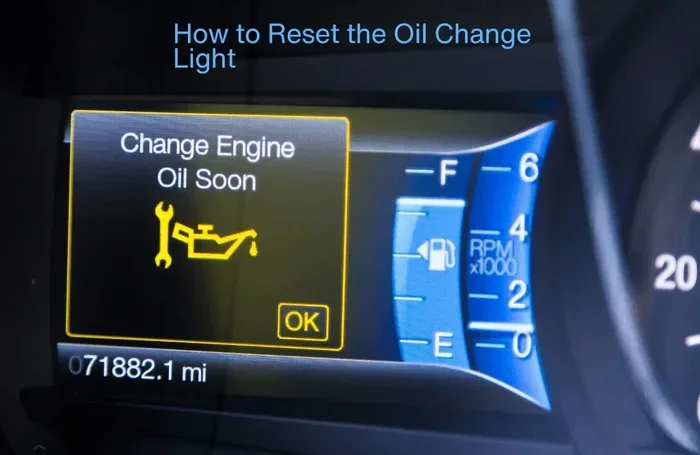
The oil maintenance required indicator is a dashboard light that reminds you it is time for an oil change. Removing this light involves resetting the oil life system using your vehicle’s menu or a reset button. You can do it yourself in under five minutes with no special tools.
This is a comprehensive guide about How Do You Remove Oil Maintenance Required?.
Key Takeaways
- Reset Method Varies: Different vehicles use different methods to reset the oil maintenance light.
- No Special Tools Needed: Most resets can be done through the steering wheel controls or dashboard menu.
- Oil Change First: Always change the oil before resetting the indicator to avoid false readings.
- Common Mistake: Forgetting to turn the ignition to the ON position before starting the reset process.
- Persistent Light: If the light stays on after resetting, you may need a diagnostic tool or professional help.
- Oil Filter Matters: replacing the oil filter during each change helps keep the system accurate.
- Oil Life System: Understanding how your oil life system works prevents repeated light issues.
[FEATURED_IMAGE_PLACEHOLDER]
How Do You Remove Oil Maintenance Required Indicator
That little yellow or orange light on your dashboard can be really annoying. It pops up out of nowhere and just sits there staring at you every time you get behind the wheel. This is the oil maintenance required indicator, and it means your vehicle thinks it is time for an oil change.
Good news? Removing this light is usually very simple. You do not need a mechanic. You do not need expensive tools. In most cases, you can reset it yourself in just a few minutes. This guide walks you through every method step by step. Whether you drive a Toyota, Honda, Ford, or Chevy, you will find what you need here.
We will also cover why this light comes on in the first place, what happens if you ignore it, and how to prevent it from showing up too early. By the end, you will feel confident handling this common car maintenance task on your own.
The oil maintenance required indicator is part of your vehicle’s onboard diagnostics system. It tracks your driving habits, engine temperature, and mileage to estimate when the oil needs replacing. Once the system determines the oil life is spent, it triggers the light. Resetting the light tells the system that fresh oil has been added and the cycle can start over.
Why Does the Oil Maintenance Required Light Come On?
Understanding why this light appears helps you know when to take it seriously. The light is not just a random annoyance. It serves a real purpose in keeping your engine healthy.
Oil Life Monitoring Systems
Most modern vehicles use an oil life monitoring system. This system does not just measure mileage. It looks at several factors to determine oil condition. These factors include engine temperature, driving conditions, idle time, and load. Based on this data, the system calculates when the oil has degraded enough to need replacement.
Some vehicles use a simple mileage-based system. Others use a more complex algorithm. Either way, the goal is the same. The system wants to tell you when to change the oil before it causes engine damage.
Common Triggers for the Light
Several things can cause the maintenance required light to turn on. Here are the most common triggers:
- Reaching the oil change interval: Most systems reset after 5,000 to 10,000 miles depending on the vehicle and oil type.
- Short trips and stop-and-go driving: These conditions degrade oil faster, triggering the light sooner.
- Extreme temperatures: Very hot or very cold weather can shorten oil life.
- Heavy towing or hauling: Extra engine load causes the oil to break down faster.
- Time-based reminders: Some systems trigger the light based on time, not just mileage.
How to Remove the Oil Maintenance Required Indicator
Now let us get to the main part. Removing the oil maintenance required indicator is straightforward once you know the right steps. The method depends on your vehicle make and model. Below are the most common approaches.
Method 1: Using the Steering Wheel Controls
Many newer vehicles allow you to reset the oil light through the steering wheel buttons. Here is how to do it:
- Turn the ignition to the ON position. Do not start the engine. Just push the start button once or turn the key to ON.
- Locate the trip meter reset button on the steering wheel or dashboard panel.
- Press and hold the reset button.
- While holding the button, turn the ignition OFF and then back to ON.
- Continue holding the button for about 10 to 15 seconds.
- The light should flash and then turn off. Release the button.
- Turn the ignition OFF and then ON again to confirm the light is gone.
This method works for many Toyota, Honda, and Nissan models. If your vehicle uses a scroll wheel on the steering column, the process is similar. You scroll to the maintenance menu and select reset.
Method 2: Using the Dashboard Menu
Vehicles with digital displays often let you reset the light through the infotainment system. Here is the general process:
- Press the menu or settings button on your dashboard display.
- Navigate to the vehicle maintenance or service menu.
- Find the oil life or maintenance reminder option.
- Select reset and confirm your choice.
- The indicator should turn off immediately.
Ford, Chevrolet, and many modern SUVs use this approach. The exact menu names vary by manufacturer, but the general path is similar. Look for words like service, maintenance, or oil life in the menu.
Method 3: Using the Reset Button Under the Hood
Some older vehicles have a physical reset button located under the hood or near the oil filter. This method is less common today but still exists on certain models:
- Open the hood and locate the reset button. It is usually near the oil filter or on the engine block.
- With the ignition in the ON position, press the reset button.
- Hold it for about 5 to 10 seconds.
- The maintenance light should blink and then go off.
Check your vehicle owner manual for the exact location of this button. Not all vehicles have one, so do not spend too much time searching if you cannot find it.
Method 4: Using a Diagnostic Tool or OBD Scanner
If the above methods do not work, you can use an OBD-II diagnostic scanner. These tools plug into the diagnostic port under your steering column. They communicate directly with your vehicle’s computer system.
Here is how to use one:
- Plug the scanner into the OBD port.
- Turn the ignition to ON.
- Follow the scanner menu to find the maintenance light reset option.
- Select reset and wait for confirmation.
- Turn the ignition OFF and remove the scanner.
OBD scanners are affordable and very useful. They do more than just reset lights. They also read error codes and help you diagnose other issues. If you want to learn more about resetting your oil life system, a diagnostic scanner is a great investment.
What Happens If You Ignore the Oil Maintenance Light?
It is tempting to just ignore the light and keep driving. Many people do. But this is not a good idea. The oil maintenance required indicator exists for a reason. Ignoring it can lead to serious engine problems.
Engine Damage From Old Oil
Oil lubricates the moving parts inside your engine. Over time, oil breaks down and loses its effectiveness. Old oil becomes thick and gritty. It does not flow properly through the engine. This causes increased friction and heat. Eventually, the engine components can wear out or seize up completely.
Repairing engine damage from neglected oil changes is extremely expensive. A full engine replacement can cost thousands of dollars. A simple oil change costs a fraction of that.
Reduced Fuel Efficiency
Fresh oil helps your engine run smoothly and efficiently. Old oil creates more drag and friction inside the engine. This means your engine has to work harder to do the same job. The result is lower fuel economy and more trips to the gas station.
Voided Warranty
If your vehicle is still under warranty, skipping oil changes can void that warranty. Most manufacturers require regular oil changes at documented intervals. If you skip them and the engine fails, you may have to pay for all repairs yourself.
When Should You Change Your Oil?
The old rule of changing oil every 3,000 miles is outdated for most modern vehicles. Today, the right interval depends on several factors. Understanding these factors helps you make smart decisions about your oil maintenance schedule.
Conventional vs Synthetic Oil
The type of oil you use affects how often you need to change it. Conventional oil typically needs changing every 3,000 to 5,000 miles. Synthetic oil lasts much longer, often between 7,500 and 10,000 miles. Some synthetic blends fall somewhere in between.
Check your owner manual for the recommended oil type and interval. Using the wrong oil can trigger the maintenance light prematurely.
Driving Conditions That Require More Frequent Changes
Certain driving conditions put extra stress on your oil. If you experience any of the following, you may need to change your oil more often:
- Frequent short trips under 5 miles
- Stop-and-go city driving
- Extreme heat or cold weather
- Towing trailers or carrying heavy loads
- Dusty or off-road driving conditions
These conditions are considered severe service by most manufacturers. They cause oil to degrade faster and may require more frequent changes.
Common Mistakes When Removing the Oil Maintenance Light
Even though resetting the light is simple, people make mistakes. Here are the most common ones to avoid:
Resetting Without Changing the Oil
This is the biggest mistake. Never reset the oil maintenance required indicator without actually changing the oil first. Resetting the light just tells the system to start a new countdown. If the oil is still old and degraded, you are just delaying the inevitable. Your engine will suffer, and you could cause serious damage.
Always change the oil and replace the filter before resetting. This ensures fresh, clean oil is circulating through your engine when the new cycle begins.
Not Turning the Ignition to the Correct Position
Many reset methods require the ignition to be in the ON position, not the START position. If you turn the key too far and start the engine, the reset sequence will not work. Be careful and precise with the ignition position.
Holding the Reset Button Too Short
Some people release the reset button too early. Most methods require holding the button for 10 to 15 seconds. If you let go too soon, the system may not register the reset. Hold the button steadily until you see the light flash or change.
Using the Wrong Reset Method for Your Vehicle
Not all vehicles use the same reset procedure. What works for a Toyota may not work for a Honda. Always check your owner manual or look up the specific method for your vehicle make and model before attempting a reset.
Ignoring a Persistent Light After Reset
If the light comes back on shortly after resetting, something is wrong. It could indicate a leak, low oil pressure, or a sensor issue. Do not just keep resetting the light. Investigate the root cause and address it properly.
Tips for Preventing the Oil Maintenance Light From Coming Back Too Soon
Once you have successfully removed the oil maintenance required indicator, you want to keep it off. Here are some tips to help:
- Follow the recommended oil change interval: Do not stretch the interval too far beyond what your manufacturer recommends.
- Use quality oil and filters: Cheap oil and filters do not last as long. Invest in good products.
- Check your oil level regularly: Low oil can trigger warning lights even if the maintenance light is off.
- Keep records of your oil changes: A simple log helps you track when changes are due and proves maintenance for warranty claims.
- Address leaks promptly: Oil leaks cause low oil levels and can trigger maintenance lights.
- Consider an oil level check after every change: Too much oil can be just as problematic as too little.
Expert Insights on Oil Maintenance Indicators
Automotive professionals agree that the oil maintenance required indicator is a helpful tool when used correctly. However, it should not replace regular visual inspections and manual checks. Here is what the experts say:
Check your oil manually at least once a month. The dipstick does not lie. Even if the maintenance light has not come on, low oil levels can cause engine damage. Get into the habit of checking under the hood regularly.
Do not rely solely on the oil life system. The system is a guide, not a gospel truth. Driving conditions vary, and the system may not always account for extreme use. If you drive in harsh conditions, consider changing your oil more frequently than the system recommends.
Use OEM or high-quality aftermarket parts. When replacing oil and filters, stick with trusted brands. Quality products protect your engine and help the oil life system function accurately.
Some drivers wonder if they can mix oil brands in an emergency. While it is not ideal, a small amount of different oil will not cause immediate harm. However, always try to use the same brand and type for best results.
How Oil Maintenance Indicators Work Across Different Brands
Every vehicle manufacturer has its own approach to the oil maintenance required indicator. Understanding these differences helps you reset the light correctly and avoid confusion.
| Brand | Indicator Name | Reset Method |
|---|---|---|
| Toyota | Maintenance Required | Trip meter reset procedure via steering controls |
| Honda | Oil Life System | Dashboard menu or steering button sequence |
| Ford | Oil Change Required | Infotainment system menu |
| Chevrolet | Oil Life System | Steering wheel controls or driver information center |
| Nissan | Maintenance Required | Trip meter reset or steering controls |
For specific instructions, always refer to your vehicle owner manual. The table above gives a general overview, but procedures can vary by model year and trim level.
If you own a Toyota and want to learn more about related maintenance topics, check out our guide on changing your Corolla S oil yourself. It covers everything you need to know about DIY oil changes for Toyota vehicles.
Conclusion
Removing the oil maintenance required indicator is a simple task that most car owners can handle on their own. You do not need a mechanic, a fancy garage, or expensive equipment. Whether you use the steering wheel controls, the dashboard menu, a physical reset button, or an OBD scanner, the process is quick and straightforward.
But remember, resetting the light is only half the job. The real work is maintaining your vehicle with regular oil changes and proper care. The indicator is a reminder, not a substitute for good maintenance habits. Change your oil on time, use quality products, and check your levels regularly.
By following the steps in this guide, you will keep your engine running smoothly and your dashboard clean. The oil maintenance required indicator does not have to be a source of stress. With the right knowledge, you can handle it confidently every time it comes on. Take care of your vehicle, and it will take care of you for years to come.
Frequently Asked Questions
Can I drive with the oil maintenance required light on?
You can drive a short distance with the light on, but do not delay the oil change for too long. The light means the system has determined the oil is past its effective life. Continuing to drive without an oil change can cause increased engine wear and reduced performance.
How long after an oil change should the maintenance light go off?
The light should turn off immediately after you reset it following the oil change. If it stays on, you may need to repeat the reset process or check for a sensor issue. Most vehicles reset within seconds once the correct procedure is followed.
Do I need a mechanic to remove the oil maintenance required indicator?
No, you do not need a mechanic in most cases. The reset process is simple and can be done at home with no special tools. Only if the light persists after a proper reset would you need professional diagnostic help.
What is the difference between the oil change light and the check engine light?
The oil maintenance light specifically indicates that the oil life has expired and an oil change is due. The check engine light signals a broader range of issues, from emissions problems to sensor failures. If both lights are on, address them separately and do not assume they are related.
Will the oil maintenance light come back if I do not reset it?
Yes, the light will remain on until you manually reset it after completing the oil change. Some vehicles also reset automatically after a certain number of miles, but most require a manual reset to clear the indicator.
Can low oil cause the maintenance required light to come on?
Low oil levels can trigger warning lights, but the maintenance required light specifically relates to the oil life system. If your oil is low, you may see a separate oil pressure or low oil level warning. Always check both your oil level and the maintenance indicator when either light comes on.