Does the Toyota Corolla Have Traction Control Built In
Yes, the Toyota Corolla comes with traction control built in as a standard safety feature across nearly all trim levels. This system helps you maintain grip on wet, icy, or uneven roads by automatically adjusting engine power and applying brakes to individual wheels. Understanding how traction control works on your Corolla can keep you safer and more confident behind the wheel.
Does the Toyota Corolla have traction control? The short answer is yes. Every Toyota Corolla sold in recent years comes with a traction control system as part of its standard safety package. This feature has been a staple of Toyota’s commitment to driver safety for decades, and the Corolla is no exception.
Whether you drive the base L trim or the sporty SE, you can count on traction control to help you stay steady on slippery roads. But knowing that your car has this feature is only half the battle. Understanding how it works, when to use it, and what to do when something goes wrong makes a big difference. Let us walk through everything you need to know about traction control on the Toyota Corolla.
Traction control is one of those systems you hope you never need but are really glad it is there when you do. It works quietly in the background, monitoring your wheels and making split-second adjustments to keep your car stable. This is especially helpful during the rainy season or when roads are covered in a thin layer of ice. In this article, we will cover how the system functions, which Corolla trims include it, and how to handle common issues like a traction control warning light on your dashboard.
Key Takeaways
- Standard Safety Feature: Traction control comes standard on almost every Toyota Corolla trim, from the base L to the top-spec SE.
- How It Works: The system uses wheel speed sensors to detect slip and automatically reduces engine power or applies brakes to specific wheels.
- When to Use It: Keep traction control on for everyday driving, especially in rain, snow, or on gravel roads.
- Warning Lights: A traction control warning light on your dash means the system has been deactivated or there is a sensor issue.
- Can You Turn It Off? Yes, most Corolla models let you disable traction control for specific situations like stuck in snow or mud.
- Maintenance Matters: Keeping your sensors and braking system in good shape ensures the traction control system works properly.
📑 Table of Contents
- What Is Traction Control and How Does It Work?
- Does Every Toyota Corolla Trim Include Traction Control?
- When Should You Use Traction Control?
- Understanding the Traction Control Warning Light
- Can You Drive Your Toyota Corolla With the Traction Control Light On?
- Maintaining Your Traction Control System
- How Traction Control Compares Across Toyota Models
- Frequently Asked Questions
- Final Thoughts
What Is Traction Control and How Does It Work?
Traction control is a safety system designed to prevent your wheels from spinning out when you accelerate on slippery surfaces. The system relies on the same sensors used by the anti-lock braking system, or ABS. These sensors monitor the speed of each wheel and send data to the car’s computer.
When the computer detects that one or more wheels are spinning faster than the others, it takes action. It can reduce engine power, limit fuel delivery, or apply the brakes to the spinning wheel. This helps the car regain grip and keeps you moving in the direction you want to go.
The Role of Wheel Speed Sensors
Each wheel on your Corolla has a speed sensor attached to it. These sensors constantly send data to the traction control module. If one sensor detects that a wheel is rotating faster than the others, the module interprets this as a loss of traction. The system then responds within milliseconds to correct the issue.
You might notice a brief reduction in engine power when the system activates. This is completely normal. The car is simply redirecting power to the wheels that have the most grip. Most drivers barely notice this happening, but it can make a huge difference on a wet highway on-ramp or a gravel driveway.
Traction Control vs. Electronic Stability Control
People often confuse traction control with electronic stability control, but they are not the same thing. Traction control focuses on preventing wheel spin during acceleration. Electronic stability control goes a step further by helping you maintain control during sharp turns or sudden maneuvers.
The good news is that the Toyota Corolla includes both systems. They work together as part of Toyota Safety Sense, a suite of active safety features designed to protect you and your passengers. When these systems work in harmony, they provide a layered approach to vehicle stability and road safety.
Does Every Toyota Corolla Trim Include Traction Control?
Yes, traction control is standard across all Toyota Corolla trims. Toyota has made this feature available on every generation of the Corolla sold in the United States for many years. Whether you buy a 2020 model or a brand-new 2024 model, you will have traction control ready to go.
Here is a quick breakdown of how traction control fits into the Corolla lineup:
- Base L Trim: Includes traction control as standard. No extra cost.
- LE Trim: Same standard traction control system with no additional features needed.
- SE Trim: Sporty styling with the same reliable traction control included.
- XSE Trim: Top-tier features, and traction control is still standard.
- Hybrid Trims: The Corolla Hybrid also includes traction control on all trim levels.
There is no trim level on the modern Corolla that does not include this feature. Toyota treats traction control as a fundamental part of the driving experience, not an optional extra. This is one of the reasons the Corolla has remained one of the best-selling sedans in the world for so many years.
When Should You Use Traction Control?
For most drivers, the answer is simple: keep it on all the time. The traction control system works best when it is active during everyday driving. It helps you maintain control in conditions you might not even notice at first, like a damp road after morning dew or a patch of oil on an urban street.
However, there are a few situations where you might want to turn it off. Let us look at when traction control helps and when disabling it might make sense.
Conditions Where Traction Control Helps
- Rainy Weather: Wet roads reduce tire grip significantly. Traction control helps prevent wheel spin when you accelerate from a stoplight.
- Snow and Ice: On icy surfaces, the system prevents your wheels from spinning uselessly and helps you maintain forward momentum.
- Gravel or Dirt Roads: Loose surfaces can cause unexpected wheel slip. Traction control smooths out the power delivery.
- Muddy Conditions: When your tires lose contact with solid ground, the system helps you find traction again.
- City Driving: Stop-and-go traffic on slick pavement benefits from the constant monitoring of wheel speed.
When You Might Want to Turn It Off
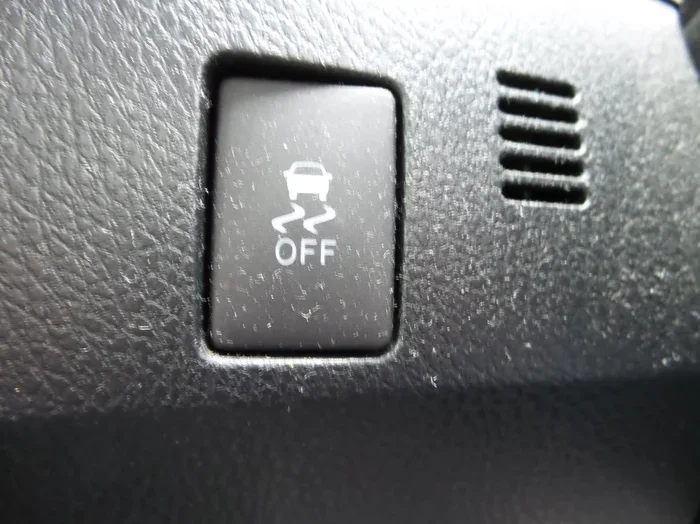
There are a few rare situations where turning off traction control can actually help you. If your Corolla gets stuck in deep snow or thick mud, spinning the wheels might help you dig out. In that case, you can temporarily disable the system. You will find the traction control button on the center console or near the steering column, depending on your model year.
Some off-road enthusiasts also prefer to drive with traction control off on loose surfaces like sand or large gravel. This allows the wheels to spin freely and can sometimes help you find a path forward. Just remember to turn it back on when you return to paved roads.
If you are curious about when to keep traction control on versus off in more detail, check out our full guide on should I drive with traction control on or off. It covers the topic in depth and includes tips for different driving scenarios.
Understanding the Traction Control Warning Light
Your Corolla’s dashboard is packed with warning lights, and the traction control indicator is one you should pay attention to. The light typically looks like a car with squiggly lines behind it, or it may simply say “TRAC” or “TCS.” When this light stays on or flashes, it means something is going on with the system.
Here are the most common reasons the traction control warning light might appear on your Corolla:
- System Deactivated: You or someone else pressed the traction control off button. The light will stay on until you turn it back on.
- Sensor Issue: A faulty wheel speed sensor can trigger the light. These sensors are exposed to road conditions and can wear out over time.
- ABS Problem: Since traction control shares components with the ABS, a problem with the braking system can activate the light.
- Low Battery Voltage: If your car battery is weak, the traction control module may not receive enough power to function correctly.
- Steering Angle Sensor: A misaligned or faulty steering angle sensor can also cause the traction control light to come on.
What to Do When the Light Comes On
If the traction control light comes on while you are driving, do not panic. In most cases, the car is still safe to drive, but the system may not be functioning at full capacity. Drive carefully, especially on slippery surfaces, and have the car checked by a mechanic as soon as possible.
If the light flashes repeatedly, this usually means the system is actively intervening to keep you stable. This is normal behavior when you are driving on a surface with low traction. The light should turn off once conditions improve.
Sometimes drivers confuse the traction control light with other warning lights on the dash. For example, if you see a wrench-shaped light, it could be related to maintenance needs. Our article on does the wrench light mean oil change explains what different dashboard symbols mean and when you should take action.
Can You Drive Your Toyota Corolla With the Traction Control Light On?
Driving with the traction control light on is generally safe for short distances, but it is not ideal. The traction control system will not be able to help you if you hit a slippery patch of road. This means you need to be extra cautious with your acceleration and braking until the issue is resolved.
In most cases, the underlying cause is a minor sensor issue that a mechanic can fix quickly. It could be as simple as cleaning a wheel speed sensor or replacing a small electrical connector. The cost of repair is usually low, especially if you catch the problem early.
If the traction control light is on and you also notice the check engine light, this could indicate a more serious issue. A diagnostic scan tool can read the error codes stored in the car’s computer and pinpoint the exact problem. Many Toyota dealerships and independent shops can perform this scan for a reasonable fee.
It is also worth noting that the traction control system interacts with other safety features on your Corolla. For instance, if you see a warning light related to the electronic parking brake, that could be connected to the same network of sensors. You can learn more about the EPB light in our article on is it ok to drive with the EPB light on.
Maintaining Your Traction Control System
Keeping your traction control system in good shape does not require a lot of effort. The system is designed to be maintenance-free for the most part, but a few simple steps can keep it working reliably for the life of your Corolla.
Regular Maintenance Tips
- Keep Your Tires in Good Condition: Worn tires reduce traction and put more strain on the traction control system. Check your tire tread depth regularly and replace tires when the tread gets low.
- Clean the Wheel Speed Sensors: Mud, dirt, and road grime can build up on the sensors and affect their accuracy. A quick wipe-down during routine car washes can help.
- Check Brake Fluid Levels: The traction control system uses the braking system to apply individual brakes. Low brake fluid can affect performance.
- Address Warning Lights Promptly: Do not ignore dashboard warning lights. The longer you wait, the more potential damage could occur.
- Keep Software Updated: Some newer Corolla models receive software updates that improve traction control algorithms. Ask your dealer about available updates.
Common Mistakes to Avoid
One common mistake is assuming the traction control system can compensate for bad driving habits. Traction control helps, but it is not a substitute for safe driving. Speeding on wet roads or following too closely can still lead to accidents even with the system active.
Another mistake is ignoring the traction control off button. Some drivers accidentally press it and forget to turn it back on. If you notice the light is on and you did not intentionally turn the system off, check the console for the button. It is an easy fix that many people overlook.
Also, avoid modifying your car’s engine or exhaust system without considering how it affects the traction control calibration. Aftermarket parts can change the way power is delivered, which may confuse the system’s sensors and lead to unexpected behavior.
How Traction Control Compares Across Toyota Models
While this article focuses on the Corolla, it helps to know that traction control is standard across the entire Toyota lineup. The Toyota Camry, for instance, includes the same traction control technology. If you ever drive a Camry and notice a warning light, our guide on can I drive my Toyota Camry with the check engine light on can help you figure out what to do.
Toyota trucks like the Tacoma and Tundra also feature traction control, but they often include additional off-road modes that adjust the system for specific terrain. The Corolla, being a compact sedan, keeps the system simpler and optimized for everyday road driving. This makes it one of the most user-friendly traction control setups you will find in its class.
The consistency of Toyota’s safety systems across its lineup is one of the brand’s strongest advantages. Whether you drive a Corolla, a Camry, or a Highlander, you can expect the same level of active safety technology working to protect you.
Frequently Asked Questions
Can you turn off traction control on a Toyota Corolla?
Yes, most Toyota Corolla models have a button that lets you turn off the traction control system. You will typically find this button on the center console, near the gear shift, or on the steering column. When you turn it off, the traction control warning light on the dashboard will illuminate. Remember to turn it back on when you return to normal driving conditions, as the system provides valuable stability assistance on slippery roads.
How much does it cost to repair a traction control system on a Toyota Corolla?
The cost varies depending on what is causing the problem. A simple wheel speed sensor replacement usually costs between 100 and 300 dollars. More complex issues involving the traction control module or ABS system can run higher, sometimes 500 dollars or more. The best approach is to have a mechanic run a diagnostic scan to identify the exact cause before committing to a repair. Many independent shops can handle this at a lower cost than a dealership.
Does the Toyota Corolla Hybrid have traction control?
Yes, the Toyota Corolla Hybrid includes traction control as a standard feature. The hybrid versions of the Corolla use the same traction control technology as the gasoline models. The system works seamlessly with the electric motor and the gasoline engine to provide smooth, stable power delivery on all types of road surfaces. Whether you drive the base Hybrid LE or the top-spec Hybrid SE, traction control is always active by default.
Can a dead battery cause the traction control light to come on?
Yes, a weak or dying car battery can trigger the traction control warning light. The traction control module needs a stable electrical supply to function correctly. If the battery voltage drops too low, the system may shut down or activate the warning light. If you notice the traction control light along with other electrical issues like dim headlights or slow power window operation, have your battery tested right away.
Is traction control the same as stability control on the Toyota Corolla?
No, they are related but different systems. Traction control prevents wheel spin during acceleration, while stability control helps you maintain directional control during sharp turns or sudden maneuvers. The Toyota Corolla includes both systems as part of the Toyota Safety Sense package. They work together to provide comprehensive vehicle stability, but each addresses a different type of driving challenge.
What should I do if the traction control light stays on after starting my Corolla?
If the traction control light stays on after starting the car, first check if you accidentally pressed the traction control off button. If the system is on and the light persists, try turning the car off and back on again. If the light remains on, it indicates a sensor or system fault that needs professional diagnosis. Visit a Toyota dealership or trusted mechanic to run a diagnostic scan and identify the problem. Driving with the light on for a short distance is generally safe, but have it checked soon.
Final Thoughts
The Toyota Corolla has traction control built in, and it has been that way for many generations. This is one of those features that you probably do not think about until you need it, and that is exactly how it should be. The system works silently in the background, making small adjustments that keep you stable and safe on the road.
Whether you are navigating a rain-soaked highway, pulling away from a stoplight on a cold morning, or tackling a gravel country road, traction control has your back. It is one of the many reasons the Corolla remains a top choice for drivers who value safety, reliability, and peace of mind.
Take a moment to familiarize yourself with the traction control button in your Corolla. Know where it is and how to use it. And if you ever see that warning light on your dash, do not ignore it. A quick trip to the mechanic can usually sort things out quickly and affordably. Your Corolla was built to keep you safe, and understanding how its systems work is the best way to get the most out of your driving experience.