How Do Car Lights Turn On And Why They Actually Work
How do car lights turn on? The answer lies in a simple electrical circuit that flows from your battery through switches, relays, and fuses to power up your headlights, tail lights, and more. Understanding car lighting basics helps you troubleshoot issues, stay safe on the road, and make smart choices about bulb upgrades. This guide breaks down every step in plain, easy-to-follow language.
Have you ever flipped a switch and wondered exactly what happens inside your car to make the lights come on? It feels like magic, but the truth is much simpler. How do car lights turn on comes down to basic electrical principles that have been around for over a century. The moment you turn your ignition or twist a dial, a carefully designed path opens up for electricity to flow from your battery to your bulbs.
Understanding how your car lighting system works is not just for mechanics or car enthusiasts. Every driver benefits from knowing the basics. When a headlight burns out at night, you will not panic. When your dashboard shows a warning light, you will know what it means. This guide walks you through the entire process step by step, using simple language and real-world examples.
We will cover everything from the basic electrical circuit to the different types of lights on your vehicle. You will learn about fuses, relays, switches, and sensors. We will also look at common problems and share practical maintenance tips. By the end, you will have a clear picture of how car lights work and why they matter for your safety on the road.
Key Takeaways
- Simple Circuit Design: Car lights work through a straightforward electrical circuit powered by your battery and controlled by switches and relays.
- Multiple Light Types: Headlights, tail lights, brake lights, turn signals, and daytime running lights each serve a unique purpose and operate on similar principles.
- Automatic vs Manual: Modern vehicles often feature automatic headlights that use light sensors to turn lights on and off without driver input.
- Fuse Box Protection: The fuse box prevents electrical overload and protects your car lighting system from damage.
- Regular Maintenance Matters: Simple habits like cleaning lenses and checking bulb alignment can extend the life of your car lights significantly.
- Know Common Problems: Understanding headlight wiring issues and relay switch failures helps you spot trouble early.
📑 Table of Contents
How Do Car Lights Turn On – The Basic Mechanism
At its core, how car lights turn on relies on a simple electrical circuit. A circuit is a closed loop that allows electricity to travel from a power source, through components, and back again. Think of it like water flowing through a pipe. When the pipe is open, water flows. When it is closed, nothing moves.
Your car battery provides the power. It stores electrical energy and delivers it at a steady voltage, usually 12 volts. When you turn on your lights, you are essentially opening a gate that lets electricity flow through the circuit. The current travels from the battery, through wiring, past a fuse, through a switch, and finally reaches the bulb. The bulb glows because the electricity heats up a filament inside it.
Here is what happens in simple steps:
- You flip the light switch or turn the ignition to the on position.
- The switch closes the circuit, allowing electricity to flow.
- Current travels from the battery through the wiring harness to the light.
- A relay switch may be used to handle the higher current load.
- The bulb receives power and lights up.
- The electricity completes the circuit by returning to the battery through a ground connection.
Every part of this chain matters. If one link breaks, the whole circuit stops working. That is why a blown fuse or a loose ground connection can kill your lights instantly. The beauty of this system is its simplicity. There are not hundreds of moving parts. It is just electricity following a path that you control.
The Role of the Ignition Switch
In most vehicles, the ignition switch plays a key role in powering your lighting system. When you turn the key to the “on” or “accessory” position, you activate the electrical systems in your car. Some vehicles let you turn on the parking lights without starting the engine. Others require the ignition to be in the “on” position for any lights to work. This design varies by manufacturer, but the principle remains the same.
The ignition switch controls which electrical circuits are live at any given time. It acts as a master gatekeeper. Without it, your car’s electrical system would always be drawing power from the battery, even when the engine is off. That would drain your battery quickly and leave you stranded.
Types Of Car Lights And What Each One Does
Your vehicle has several different lights, and each one serves a specific purpose. Understanding the different headlight bulb types and other lights helps you appreciate the full picture of how how do car lights turn on works across the board.
Headlights
Headlights are the most important lights on your car. They let you see the road at night and help other drivers see you. Most modern cars use either halogen bulbs, LED headlights, or xenon HID bulbs. Each type works differently but follows the same basic electrical principle.
Halogen bulbs use a tungsten filament enclosed in a halogen gas capsule. When electricity flows through the filament, it heats up and produces a bright white light. They are affordable and easy to replace. LED headlights use semiconductor diodes that emit light when current passes through them. They are more energy-efficient and last much longer than halogens. Xenon HID bulbs create an electric arc between two electrodes filled with xenon gas, producing an extremely bright, bluish-white light.
Headlights usually have two settings: low beam and high beam. The low beam points slightly downward to avoid blinding oncoming traffic. The high beam shines straight ahead for maximum visibility on dark roads. Switching between them is done through a separate switch or a toggle on the steering column.
Tail Lights And Brake Lights
Tail lights are the red lights at the back of your car. They turn on automatically when your headlights are switched on. Brake lights, on the other hand, activate only when you press the brake pedal. They are brighter and more noticeable to alert drivers behind you that you are slowing down.
Both tail lights and brake lights use the same basic circuit principle. Electricity flows from the battery through the electrical circuit to the bulb at the rear of the car. A light switch mechanism controls when the tail lights are active. The brake light switch, which is mounted near the brake pedal, controls the brake lights.
Turn Signals And Hazard Lights
Turn signals use a special component called a flasher relay. This relay rapidly opens and closes the circuit, causing the bulb to blink on and off. The turn signal circuit is controlled by a stalk on the steering column. When you flip the stalk left or right, the flasher relay sends power to the corresponding lights.
Hazard lights use the same flasher relay but activate all four turn signals at once. This lets other drivers know your vehicle is stopped or in danger. Pressing the hazard button completes the circuit to all four signal lights simultaneously.
Daytime Running Lights
Many modern vehicles come equipped with daytime running lights, or DRLs. These lights stay on automatically whenever the engine is running. They are designed to make your car more visible to other drivers during daylight hours. DRLs use a low-intensity setting to save energy and reduce bulb wear. They are not meant to replace headlights at night but work alongside your automotive lighting system to improve safety.
The Electrical System Behind Your Car Lights
Now that you understand the basic mechanism and the different light types, let us dive deeper into the electrical components that make everything work. How do car lights turn on is really a question about how several components work together in harmony.
The Fuse Box And Its Role
The fuse box is one of the most important safety components in your car’s lighting system. It contains small fuses, each rated for a specific amount of current. If too much electricity flows through a circuit, the fuse melts and breaks the circuit. This protects your wiring and your vehicle from damage.
Think of a fuse like a safety valve. If something goes wrong in the headlight wiring, the fuse blows first. This prevents wires from overheating and potentially causing a fire. Replacing a blown fuse is one of the easiest and cheapest repairs you can do. Most fuse boxes have a diagram on the lid that shows which fuse controls which lights.
Here are some quick tips for working with your fuse box:
- Always turn off the ignition before removing or inserting fuses.
- Use the correct fuse rating. Never replace a 10-amp fuse with a 20-amp fuse.
- Keep spare fuses in your glove box for emergencies.
- If a fuse blows repeatedly, have a mechanic check for a deeper electrical circuit problem.
How Relays Control Your Lights
A relay switch is an electromagnetic switch that uses a small current to control a much larger current. This is important because your headlights draw a lot of power. If you ran that much current through a simple switch, the switch would overheat and fail. A relay solves this problem.
When you flip the light switch, it sends a small signal to the relay coil. The coil creates a magnetic field that pulls a contact closed, completing the high-current circuit to the headlights. The relay handles the heavy load while the switch only handles a tiny amount of current. This design makes your light switch mechanism last much longer and work more reliably.
Most cars have separate relays for headlights, tail lights, and brake lights. Each relay is controlled by its own switch or sensor. This modular design makes troubleshooting easier. If one set of lights stops working, you can isolate which relay is at fault.
Automatic Vs Manual Headlights
Not all cars handle lighting the same way. Some vehicles have manual headlights that you turn on and off yourself. Others have automatic headlights that sense the surrounding light and adjust on their own. Both systems use the same basic electrical principles, but the control method differs.
| Feature | Manual Headlights | Automatic Headlights |
|---|---|---|
| Control Method | Driver flips a switch | Light sensor detects ambient brightness |
| Convenience | Driver must remember to turn on | Turns on automatically in low light |
| Common In | Older vehicles, budget cars | Modern vehicles, luxury cars |
| Sensor Type | None | Light sensor mounted on the dashboard |
| Battery Impact | No drain when off | Slight drain from sensor operation |
| Driver Control | Full control at all times | Can override by switching to manual mode |
Automatic headlights use a light sensor to measure the amount of ambient light outside the car. When the sensor detects that it is getting dark, it sends a signal to the headlight control module, which activates the lights. When daylight returns, the sensor tells the module to turn the lights off.
Many drivers love this feature because they never have to worry about forgetting to turn their lights on. However, automatic systems can sometimes fail. A dirty light sensor or a faulty module can cause the lights to stay off when they should be on. If your automatic headlights are not working properly, check the sensor area on the dashboard for dirt or obstructions.
Common Mistakes With Automatic Headlights
One common mistake is assuming automatic headlights will always work perfectly in every situation. Heavy rain, tunnels, and dense tree cover can sometimes fool the sensor. Another mistake is leaving the headlight switch in the “auto” position without understanding that you can switch to manual mode for full control. Always read your vehicle owner’s manual to understand how your specific system works.
Common Car Light Problems And How To Fix Them
Even with a well-designed automotive lighting system, problems can occur. Knowing what to look for can save you time and money. Here are the most common issues drivers face with their car lights.
Burnt Out Bulbs
The most common reason a light stops working is a burnt-out bulb. Headlight bulbs have a limited lifespan. Halogen bulbs typically last between 450 and 1,000 hours. LED headlights can last 15,000 hours or more. If one headlight is dim or not working at all, the bulb is the first thing to check.
Replacing a bulb is usually straightforward. Open the hood, locate the back of the headlight assembly, unplug the wiring harness, and twist the old bulb out. Insert the new bulb and reverse the steps. Always wear gloves when handling new bulbs, as oils from your skin can shorten the bulb’s lifespan.
Blown Fuses
If a fuse blows, the entire circuit for that light stops working. Check your fuse box using the diagram on the lid. Pull the fuse for the affected lights and inspect it. If the metal strip inside is broken, replace it with a new fuse of the same rating.
Bad Ground Connection
A poor ground connection can cause lights to flicker or appear dim. The ground wire provides the return path for electricity. If this connection is corroded or loose, the circuit cannot complete properly. Cleaning the ground terminal with a wire brush often fixes this issue quickly.
Faulty Relay Switch
If your lights work on one setting but not another, a relay switch may be failing. Relays have moving parts that wear out over time. A clicking sound when you turn the lights on often indicates a relay that is trying to engage but cannot complete the circuit. Replacing a relay is inexpensive and usually takes just a few minutes.
Dashboard Warning Light
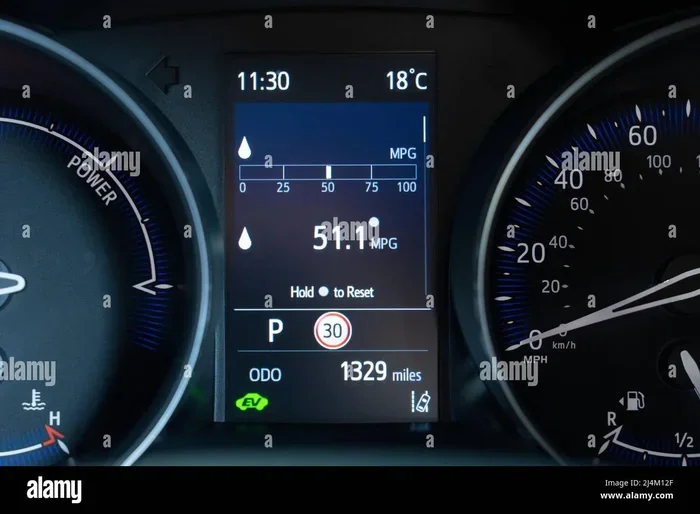
Your dashboard may display a dashboard warning light shaped like a headlight or an exclamation mark inside a light icon. This warning indicates a problem with your car lighting system. It could be a bulb failure, a wiring issue, or a sensor problem. Never ignore this warning. Address it promptly to ensure your safety on the road.
Quick Tips For Diagnosing Light Issues
- Start with the simplest fix: check the bulb first.
- Next, inspect the fuse for the affected circuit.
- Then check the ground connection for corrosion.
- If all else fails, test the relay with a multimeter.
- When in doubt, consult a qualified mechanic.
Maintenance Tips For Long-Lasting Car Lights
Taking care of your car lights extends their lifespan and keeps you safe. How do car lights turn on depends on a healthy electrical system, and regular maintenance keeps that system in top shape. Here are practical tips every driver should follow.
- Clean your headlight lenses regularly. Dirt and grime buildup reduces light output and makes your headlights appear dim. Use a mild soap and a soft cloth to clean them at least once a month.
- Check bulb alignment periodically. Over time, vibrations from driving can shift the aim of your headlights. Misaligned headlight alignment can blind oncoming drivers and reduce your visibility. Have a mechanic check this during routine service visits.
- Replace bulbs in pairs. If one headlight burns out, the other is likely close behind. Replacing both at the same time ensures even lighting and prevents one side from being much brighter than the other.
- Inspect wiring for damage. Look under the hood for frayed wires, cracked insulation, or corroded connectors. Damaged wiring harness components can cause intermittent light failures or even electrical shorts.
- Keep your battery terminals clean. A weak battery means less power for your lights. Corroded terminals reduce the battery voltage reaching your lighting system. Clean terminals with a wire brush and apply dielectric grease to prevent future corrosion.
- Test your lights weekly. Walk around your car once a week and check all lights. Ask a friend to press the brake pedal while you verify the brake lights are working. This simple habit catches problems early.
Expert Insights On Car Lighting
Experienced auto electricians agree that most car light problems come down to three things: worn bulbs, blown fuses, and corroded connections. These three issues account for over 80% of all lighting failures. The good news is that all three are easy and inexpensive to fix. Regular inspection of your automotive lighting system can prevent most problems before they leave you driving in the dark.
One expert tip is to apply dielectric grease to bulb sockets when installing new bulbs. This protective coating prevents moisture and corrosion from building up on the electrical connections. It is a small step that can add years of reliable service to your headlight wiring and bulb sockets.
Conclusion
How do car lights turn on is a question with a wonderfully straightforward answer. It all comes down to a simple electrical circuit powered by your battery and controlled by switches, relays, and fuses. From the moment you flip a switch or press the brake pedal, electricity flows through a carefully designed path to light up your vehicle.
We have covered the basic mechanism, the different types of lights, the electrical components that make it all work, and common problems you may face. You now understand how automatic headlights use sensors, how relay switches handle heavy current loads, and how the fuse box protects your entire system. You also know how to maintain your lights and troubleshoot common issues.
The next time you turn on your headlights, you will appreciate the simple elegance of the system at work. Your car lights are more than just convenience features. They are essential safety tools that keep you visible and protected on the road. Take a few minutes each month to check your lights, clean your lenses, and replace bulbs when needed. A well-maintained lighting system gives you confidence every time you drive, day or night. Apply what you have learned here, and your car will reward you with reliable, bright illumination for many miles to come.
Frequently Asked Questions
What is the main component that makes car lights turn on?
The main component is the electrical circuit that connects your battery to the light bulb through switches, fuses, and wiring. When you activate the switch, the circuit closes and electricity flows to the bulb, causing it to light up. A relay often handles the high current to protect the switch.
Can I drive with one headlight burnt out?
Yes, you can drive with one burnt-out headlight, but it is not recommended. Having only one working headlight reduces your visibility and can confuse other drivers. Many states also require both headlights to be working. Replace the bulb as soon as possible to stay safe and legal.
Why do my automatic headlights not turn on when it gets dark?
This is usually caused by a dirty light sensor, a faulty sensor module, or a blown fuse. Check the sensor area on your dashboard for dirt or obstructions. If cleaning it does not help, a mechanic can test the sensor and replace it if needed. Always check the fuse box first as a simple troubleshooting step.
How long do car light bulbs typically last?
Halogen headlight bulbs last between 450 and 1,000 hours of use. LED headlights can last 15,000 hours or more. Xenon HID bulbs typically last around 2,000 to 3,000 hours. Your driving habits, vibration levels, and electrical system health all affect bulb lifespan.
What should I do if my brake lights stay on all the time?
A brake light that stays on usually means the brake light switch is stuck or misadjusted. Check the switch located near the brake pedal. It may need adjustment or replacement. A stuck brake light can drain your battery quickly, so address this issue promptly to avoid being stranded.
Are LED headlights worth the extra cost compared to halogen bulbs?
Yes, LED headlights are worth the investment for most drivers. They use less energy, last much longer, and produce brighter, whiter light that improves visibility. While the upfront cost is higher, the long lifespan and energy savings make them a smart choice over time. They also give your vehicle a modern, updated look.