How Many Miles Will a 35 V6 Engine Last on Average
A 35 V6 engine can last between 200,000 and 300,000 miles with proper care. Regular maintenance, quality oil changes, and timely repairs play a huge role in how long your engine runs strong. Understanding your V6 engine’s needs helps you get the most miles out of your vehicle.
If you own a vehicle with a 35 V6 engine, you probably wonder how many miles it can handle before calling it quits. The truth is, there is no single magic number. A 35 V6 engine can last a very long time, but the exact number depends on several factors. Let us break it all down for you.
The average V6 engine lifespan falls somewhere between 200,000 and 300,000 miles. That is a big range, right? But it makes sense when you think about it. Some drivers push their engines to the limit, while others treat their cars like family. The difference in outcomes is huge. Engine longevity is not just about the miles on the clock. It is about how you care for your engine along the way.
In this guide, we will cover everything you need to know about your 35 V6 engine. We will talk about what affects its lifespan, how to spot trouble early, and what you can do to get the most miles out of your ride. Whether you drive a Ford Taurus V6 or another vehicle, this guide has you covered.
Key Takeaways
- Average Lifespan: A well-maintained 35 V6 engine typically lasts 200,000 to 300,000 miles.
- Maintenance Matters: Regular oil changes and timely repairs dramatically extend engine life.
- Driving Habits Count: Gentle driving and proper warm-ups reduce engine wear significantly.
- Quality Parts Help: Using OEM or high-quality replacement parts prevents premature failures.
- Know the Signs: Catching problems early saves thousands in repair costs.
- Brand Differences: Some V6 engines are built to last longer than others.
📑 Table of Contents
What Is a 35 V6 Engine?
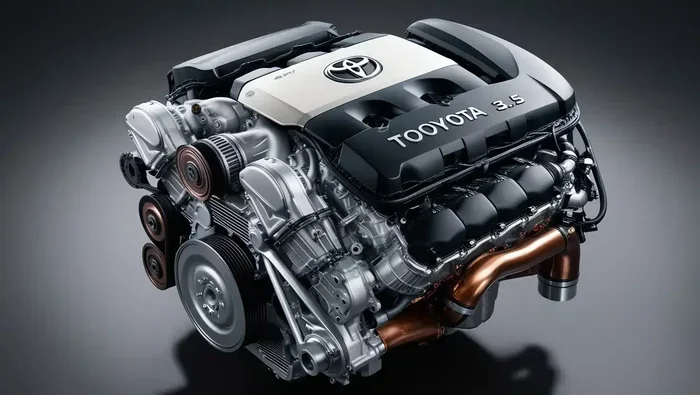
A 35 V6 engine is a six-cylinder engine arranged in a V configuration. The “35” refers to the engine displacement, which is 3.5 liters. This engine size is popular in many mid-size sedans and SUVs. It offers a good balance between power and fuel efficiency. You will find this engine in vehicles from brands like Honda, Toyota, and Ford.
The V6 design gives you smoother power delivery than a four-cylinder engine. It also provides more torque, which means better acceleration and towing ability. Many drivers love the V6 engine mileage balance. You get enough power for highway driving without guzzling gas like a bigger engine would.
Common Vehicles with a 35 V6 Engine
Several popular cars and trucks come equipped with a 3.5-liter V6. Here are some examples:
- Ford Taurus – A reliable sedan with a proven V6 engine.
- Toyota Camry V6 – Known for its durability and smooth ride.
- Honda Accord V6 – Offers sporty performance and strong reliability.
- Nissan Altima 3.5 SR – A comfortable ride with decent power.
- Chevrolet Malibu – A solid mid-size car with a capable V6.
Each of these engines shares the same basic architecture. But small differences in design and manufacturing can affect how long each one lasts. For example, the Toyota Camry V6 is often praised for its ability to hit high mileage marks. If you are curious, check out our article on whether 000 miles is a lot for a Toyota Camry to learn more.
How Many Miles Will a 35 V6 Engine Last?
The big question everyone wants answered. How many miles can you really expect from a 35 V6 engine? The honest answer is it depends. But let us give you some real numbers to work with.
Most V6 engines are designed to last at least 200,000 miles. With excellent care and regular maintenance, many reach 250,000 or even 300,000 miles. The engine life expectancy for a well-maintained V6 is impressive. But what separates an engine that lasts 150,000 miles from one that goes 300,000? Let us look at the factors.
Factors That Affect Engine Lifespan
Several things determine how long your 35 V6 engine will run. Here are the most important ones:
- Maintenance Schedule: Staying on top of oil changes, fluid flushes, and belt replacements is critical. Skipping maintenance is the number one killer of engines.
- Driving Style: Aggressive driving, rapid acceleration, and hard braking put extra stress on engine components. Gentle driving extends engine life.
- Climate and Conditions: Extreme heat or cold can wear on an engine faster. Stop-and-go city driving also causes more wear than steady highway cruising.
- Fuel Quality: Using the recommended fuel grade matters. Lower quality fuel can cause buildup and reduce engine efficiency over time.
- Manufacturing Quality: Some brands build engines that simply last longer. Toyota and Honda engines are often cited as having excellent longevity.
According to data from vehicle owners and mechanics, a high mileage engine is one that has crossed the 150,000-mile mark. At that point, you need to be extra vigilant about maintenance. But crossing 150,000 miles does not mean your engine is on its way out. Many engines keep running strong well beyond that point.
Common Problems That Shorten a 35 V6 Engine’s Life
Knowing what can go wrong helps you prevent it. Every engine has weak points, and the 35 V6 engine is no exception. Here are the most common issues that can shorten your engine’s lifespan.
Oil Leaks and Low Oil Levels
This is the simplest problem with the most serious consequences. Oil is the lifeblood of your engine. It lubricates every moving part and keeps friction low. When oil levels drop, metal parts grind against each other. This causes wear and eventually engine failure. Check your oil level at least once a month. If you notice oil spots under your car, get it checked right away.
Overheating
An overheating engine can cause catastrophic damage in minutes. The engine cooling system needs to work properly at all times. Common causes of overheating include a faulty thermostat, a leaking radiator, or a broken water pump. If your temperature gauge starts climbing, pull over safely and let the engine cool down.
Timing Belt or Chain Issues
The timing belt or chain keeps your engine’s valves and pistons synchronized. If it breaks, the engine can suffer severe internal damage. Most manufacturers recommend replacing the timing belt every 60,000 to 100,000 miles. Do not skip this replacement. It is one of the most important preventive maintenance tasks you can do.
Carbon Buildup
Over time, carbon deposits can build up on your engine’s intake valves and fuel injectors. This is especially common in V6 engines. Carbon buildup reduces engine performance and fuel efficiency. A fuel system cleaning every 30,000 to 50,000 miles can help prevent this problem.
Spark Plug Wear
Worn spark plugs cause misfires, reduced power, and poor fuel economy. Replacing spark plugs at the recommended interval keeps your engine running smoothly. Most V6 engine manufacturers recommend spark plug replacement every 30,000 to 100,000 miles depending on the type of plugs used.
How to Extend Your 35 V6 Engine’s Life
The good news is that you have a lot of control over how long your engine lasts. Simple habits and regular care can add tens of thousands of miles to your engine’s life. Here is what you should do.
Follow the Maintenance Schedule
Your owner’s manual has a detailed maintenance schedule. Follow it to the letter. This includes oil changes, transmission fluid changes, coolant flushes, and more. Every service interval exists for a reason. Skipping even one service can have a cumulative effect on your engine’s health.
Use Quality Oil and Filters
Not all engine oils are created equal. Use the grade of oil recommended by your manufacturer. Synthetic oil often provides better protection and lasts longer than conventional oil. Change your oil filter every time you change the oil. A clean filter keeps contaminants out of your engine.
Drive Gently
You do not need to drive like you are in a race. Smooth acceleration and gradual braking reduce wear on your engine and transmission. Let your engine warm up for a minute or two before driving hard, especially in cold weather. This gives the oil time to circulate and protect all the moving parts.
Listen to Your Engine
Your engine tells you when something is wrong. Unusual noises like knocking, ticking, or hissing should never be ignored. A check engine light is your friend, not your enemy. When it comes on, get your vehicle diagnosed promptly. Catching a small problem early can save you from a major engine repair later.
Keep Up With Fluid Levels
Engine coolant, transmission fluid, brake fluid, and power steering fluid all play important roles. Check these fluids regularly and top them off as needed. Low fluid levels can cause overheating, poor shifting, and other problems that stress your engine.
When to Consider an Engine Rebuild or Replacement
Even with the best care, every engine eventually reaches a point where major repairs are needed. Knowing when to rebuild versus replace can save you time and money.
A rebuilt engine involves disassembling the engine, replacing worn parts, and reassembling it to factory specifications. This is often more affordable than a full replacement. A rebuilt engine can give your vehicle another 100,000 miles or more if done right.
An engine replacement means putting a completely new or used engine into your vehicle. This is more expensive but may be the better option if the engine block itself is damaged. Factors to consider include the vehicle’s overall condition, the cost of repairs, and your budget.
If you are dealing with major engine issues, it is worth getting a second opinion from a trusted mechanic. Sometimes what seems like a total engine failure is actually a repairable issue like a head gasket leak or a cracked sensor. Do not jump to conclusions before exploring all options.
Final Thoughts
A 35 V6 engine has the potential to last a very long time. With 200,000 to 300,000 miles as the realistic target, you have plenty of room to enjoy your vehicle. The key is consistent maintenance, smart driving habits, and paying attention to warning signs. Do not wait for something to break before taking action. Prevention is always cheaper and easier than repair.
Take pride in your vehicle. Treat it well, and it will reward you with reliable service for years to come. Your V6 engine is a durable machine built to handle the road. Give it the care it deserves, and you will be amazed at how many miles you can share together.
Frequently Asked Questions
How many miles can a 35 V6 engine last with regular maintenance?
With consistent and proper maintenance, a 35 V6 engine can last between 200,000 and 300,000 miles. Regular oil changes, timely fluid replacements, and addressing small issues early are the biggest factors in reaching this mileage range.
Is 200,000 miles a lot for a V6 engine?
Yes, 200,000 miles is considered high mileage for most vehicles, including V6 engines. However, many V6 engines are built to handle this milestone and beyond. Brands like Toyota and Honda are especially known for their engines reaching 200,000 miles and more.
What is the most common cause of V6 engine failure?
The most common cause is neglecting regular maintenance, especially oil changes. Low oil levels, overheating, and timing belt failures are the top culprits that lead to serious engine damage. Staying on top of your service schedule prevents most of these issues.
Can a 35 V6 engine last 300,000 miles?
Absolutely. Many 35 V6 engines have been documented lasting 300,000 miles or more. This requires diligent maintenance, gentle driving habits, and prompt attention to any warning signs. The engine’s design and build quality also play a role.
How often should I change the oil in my V6 engine?
Most manufacturers recommend oil changes every 5,000 to 7,500 miles for conventional oil, or every 7,500 to 10,000 miles for synthetic oil. Always check your owner’s manual for the specific recommendation for your engine model.
Does driving style really affect how long my V6 engine lasts?
Yes, driving style has a significant impact on engine longevity. Aggressive driving, rapid acceleration, and frequent hard braking create extra stress on engine components. Smooth, steady driving reduces wear and helps your engine last much longer.
=== INTERNAL LINKS ===
For more information on vehicle longevity, check out our guide on how many miles an FJ Cruiser will last to understand how different vehicles compare in terms of durability.
If you are concerned about engine health and want to learn about common warning signs, read our article on driving your Toyota Camry with the check engine light on for expert advice on what those lights mean.
Thinking about the long-term costs of ownership? Our piece on how long it takes for a hybrid to pay for itself offers great insights into vehicle cost of ownership over time.