Does a 2010 Prius Need to Be Charged for Hybrid Power
No, a 2010 Prius does not need to be plugged in to charge. The hybrid battery charges itself through regenerative braking and the gas engine. This self-charging system makes the 2010 Prius one of the most convenient hybrid vehicles on the road. You simply drive and the car handles the rest.
This is a comprehensive guide about Does a 2010 Prius Need to Be Charged.
Key Takeaways
- No Plug Needed: The 2010 Prius uses a self-charging hybrid system that does not require external charging.
- Regenerative Braking Charges the Battery: Every time you brake, the system recaptures energy and feeds it back to the battery.
- The Gas Engine Also Charges the Battery: During driving, the gas engine generates electricity to keep the hybrid battery topped off.
- You Can Still Plug In Optional Accessories: Some owners use trickle chargers for battery maintenance, but it is not required.
- Battery Life Is Long: With proper care, the 2010 Prius hybrid battery can last well over 100,000 miles.
- Driving Habits Matter: Gentle acceleration and smooth braking help maximize battery health and fuel efficiency.
[FEATURED_IMAGE_PLACEHOLDER]
Does a 2010 Prius Need to Be Charged for Hybrid Power
If you own or are thinking about buying a 2010 Toyota Prius, you might wonder about one thing: does a 2010 Prius need to be charged? The short answer is no. The 2010 Prius uses a self-charging hybrid system that keeps the battery powered as you drive. There is no plug, no charger, and no waiting around for a charge. You just drive, and the car takes care of the rest.
This is one of the biggest advantages of the second-generation Prius. Unlike modern plug-in hybrid electric vehicles (PHEVs), the 2010 Prius runs on a parallel hybrid system. That means both the electric motor and the gas engine work together to move the car. The battery stays charged through smart energy recovery and clever engineering.
In this article, we will break down exactly how the 2010 Prius charges its battery, what you need to know about maintenance, and how to get the best performance from your hybrid. Whether you are a new Prius owner or just curious about hybrid vehicle technology, this guide covers everything you need to know.
How the 2010 Prius Hybrid System Works
The 2010 Prius uses what Toyota calls a power-split hybrid system. This is a smart design that blends electric and gas power seamlessly. Here is how it works in simple terms.
When you start the car, the electric motor takes over for low-speed driving. This is perfect for city traffic, parking lots, and stop-and-go situations. The gas engine stays off during these moments, which saves fuel and reduces emissions.
Once you pick up speed, the gas engine kicks in. It works alongside the electric motor to provide smooth acceleration. The power split device is a clever gearbox that decides how much power comes from the electric motor versus the gas engine. It shifts between them automatically based on driving conditions.
Regenerative Braking: Your Secret Charging System
Here is where the magic happens. When you take your foot off the gas or hit the brakes, the electric motor reverses its role. Instead of using electricity to move the car, it now acts as a generator. It captures the energy from the wheels and turns it back into electricity.
This electricity flows back into the hybrid battery pack. This process is called regenerative braking, and it is the main way your 2010 Prius stays charged. Every time you slow down or stop, you are refueling the battery for free.
Think of it like this. Traditional cars waste energy as heat when you brake. The 2010 Prius captures that energy and stores it for later. It is a brilliant system that makes hybrid technology so efficient.
The Gas Engine as a Generator
But regenerative braking is not the only way the battery gets charged. The gas engine also acts as a generator during normal driving. When the battery level drops below a certain point, the engine powers a generator that produces electricity. This electricity either goes directly to the electric motor or gets stored in the battery.
This means the battery is almost always maintaining its charge. You do not need to do anything special. The car manages everything on its own. If you want to learn more about how hybrid cars work for beginners, check out our guide on how to use a hybrid car for beginners.
Does a 2010 Prius Need to Be Plugged In?
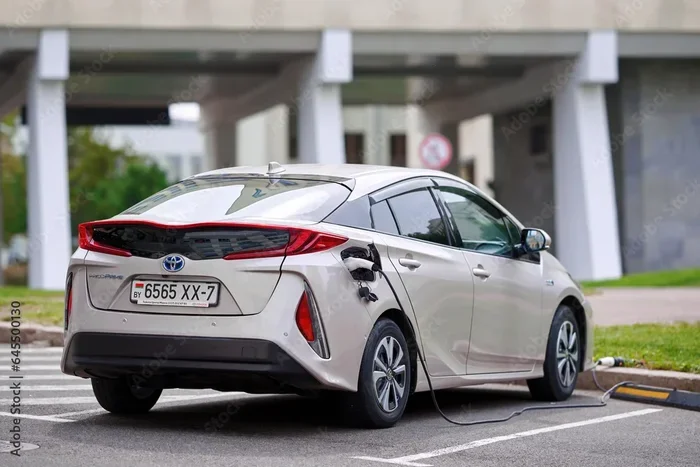
The answer is a clear no. The 2010 Prius does not have a charging port. You will not find any plug on the side of the car. Unlike newer plug-in hybrid models like the Prius Prime, the 2010 Prius is a full hybrid that charges itself.
Some people confuse the 2010 Prius with plug-in hybrids because the word “hybrid” gets thrown around a lot. But not all hybrids are the same. Here is a quick comparison to clear things up.
- Standard Hybrid (2010 Prius): Charges itself through regenerative braking and the gas engine. No plug required.
- Plug-In Hybrid (Prius Prime): Has a larger battery that can be plugged in for extended electric-only driving.
- Fully Electric Vehicle (EV): Runs entirely on electricity and must be plugged in to charge.
The 2010 Prius falls into the first category. It is a self-charging hybrid that does not need any external power source. You simply fill up the gas tank and drive. The car handles the charging automatically.
If you are curious about how your Prius decides when to switch between electric and gas power, we explain that in detail in our article on at what speed the Prius switches to gas.
How Far Can a 2010 Prius Go on a Full Tank?
Since the 2010 Prius does not need to be plugged in, your range depends on the gas tank and fuel efficiency. The 2010 Prius has a 11.3-gallon fuel tank. Combined with its excellent fuel efficiency, this gives you a driving range of around 580 to 600 miles on a full tank.
That is a lot of miles between fill-ups. The Prius is known for getting around 48 to 50 miles per gallon in combined driving. This makes it one of the most fuel-efficient cars on the market, even over a decade after its release.
If you want to check how your own car compares, our guide on how to tell if a car is good on gas can help you understand fuel economy better.
Real-World Driving Range
Your actual range depends on several factors. Here are some things that affect how far you can go on a single tank:
- Driving Style: Aggressive acceleration uses more fuel. Smooth, steady driving maximizes range.
- Speed: Highway driving at steady speeds is more efficient than stop-and-go city driving in some cases.
- Weather: Cold weather can reduce battery performance and fuel efficiency slightly.
- Load: Carrying heavy cargo or towing increases fuel consumption.
- Tire Pressure: Underinflated tires create more rolling resistance and reduce mileage.
The good news is that the 2010 Prius handles all of these factors very well. Its hybrid system is designed to optimize energy use in a wide range of conditions.
Do You Need to Maintain the Hybrid Battery?
One common question among Prius owners is whether the hybrid battery needs special maintenance. The good news is that the 2010 Prius battery is designed to be low-maintenance. Toyota built it to last the lifetime of the vehicle with proper care.
However, there are a few things you should keep in mind to ensure your battery stays healthy for the long haul.
Battery Health Tips
- Avoid Deep Discharges: Try not to let the battery drain completely. The hybrid system is designed to keep the battery within a safe charge range. Do not try to fully drain it.
- Drive Regularly: The battery stays healthiest when the car is driven often. If a car sits unused for weeks, the battery may slowly lose charge.
- Check the 12-Volt Battery: The 2010 Prius also has a standard 12-volt battery that powers accessories. This battery can weaken over time and may need replacement every 3 to 5 years.
- Watch for Warning Lights: If you see a warning light on the dashboard, do not ignore it. The hybrid system warning light can indicate battery or system issues that need attention.
- Keep Coolant Levels Checked: The battery pack has a cooling system. Make sure the coolant is serviced during regular maintenance visits.
If you ever wonder whether your Prius can still run with a failing hybrid battery, we cover that in our article on can you drive a Prius with a dead hybrid battery. The short answer is yes, but with reduced performance.
How Long Does the Hybrid Battery Last?
Most 2010 Prius owners report that their original hybrid battery lasts well beyond 150,000 miles. Some have gone over 200,000 miles without needing a replacement. Toyota designed the battery pack with durability in mind, using nickel-metal hydride (NiMH) technology.
Of course, battery life depends on how you drive and maintain the car. Gentle acceleration, consistent driving, and regular maintenance all contribute to a longer-lasting battery. If you take care of your 2010 Prius, the battery will take care of you.
Common Myths About Charging the 2010 Prius
There are a lot of misconceptions about hybrid cars and charging. Let us clear up some of the most common myths about the 2010 Prius.
Myth 1: You Need to Plug It In Every Night
This is the most common myth. The 2010 Prius does not have a plug. It charges itself while you drive. You do not need to do anything special at home. Just park it in the garage and drive it the next day.
Myth 2: The Battery Will Die Quickly
Some people worry that the hybrid battery will wear out fast. In reality, Toyota designed the 2010 Prius battery to last the life of the car. The regenerative braking system keeps the battery in a healthy charge range at all times. It is very rare for the battery to fail prematurely.
Myth 3: You Have to Be a Tech Expert to Own a Prius
The 2010 Prius is designed to be simple and user-friendly. You do not need any special knowledge to own or operate it. Just drive it like any other car, and the hybrid system handles everything else. The car automatically decides when to use electric power, when to use gas, and when to blend both.
Myth 4: Charging Takes a Long Time
Since the 2010 Prius charges itself while driving, there is no separate charging time. You never have to wait for a charge. Every mile you drive adds a little bit of energy back to the battery through regenerative braking. It happens automatically and instantly.
Tips for Getting the Best Performance from Your 2010 Prius
Now that you understand how the 2010 Prius charges and operates, here are some practical tips to get the most out of your vehicle.
Drive Smoothly
One of the best ways to maximize your Prius fuel efficiency is to drive smoothly. Avoid hard acceleration and sudden stops. The hybrid system loves steady, predictable driving. When you accelerate gently, the electric motor handles more of the work, which saves gas.
Use Cruise Control on the Highway
Cruise control helps maintain a steady speed, which is great for fuel economy. The 2010 Prius recovers energy during coasting and gentle deceleration. Keeping a consistent speed on the highway allows the hybrid system to work at its best.
Monitor Your Fuel Economy
The 2010 Prius has a built-in display that shows your real-time fuel economy. Pay attention to this screen. It can teach you how your driving habits affect efficiency. If you see the numbers drop, you might be pressing the gas too hard or braking too late.
Keep Tires Properly Inflated
Underinflated tires create extra drag, which makes the engine and electric motor work harder. Check your tire pressure at least once a month. The recommended pressure is listed on the driver’s side door jamb. Keeping tires properly inflated is one of the simplest ways to improve fuel economy.
Reduce Unnecessary Weight
Extra weight makes any car work harder. Remove items from your trunk that you do not need. The less weight the car carries, the less energy it uses. This applies to both the gas engine and the electric motor.
Plan Your Trips
Combining errands into one trip saves fuel. A warmed-up hybrid engine runs more efficiently. Cold starts use more energy, so grouping your trips together helps the 2010 Prius operate at peak efficiency.
What If You Want to Add an External Charger?
While the 2010 Prius does not need an external charger, some owners choose to use one anyway. There are aftermarket devices called battery maintainers or trickle chargers. These plug into the 12-volt battery and keep it topped off during long periods of storage.
These are not required for the hybrid battery. They only maintain the 12-volt accessory battery. If you plan to store your Prius for several weeks or months, a trickle charger can help prevent the 12-volt battery from dying.
However, for normal daily use, you do not need any external charging equipment. The self-charging hybrid system does all the work for you.
Conclusion
So, does a 2010 Prius need to be charged? The answer is no. The 2010 Prius is a self-charging hybrid vehicle that keeps its battery powered through regenerative braking and the gas engine. There is no plug, no external charger, and no special routine required.
The 2010 Prius remains one of the most practical and efficient hybrid cars ever made. Its smart hybrid system handles everything automatically, so you can simply enjoy the drive. With proper care and good driving habits, your Prius will reward you with excellent fuel economy and reliable performance for years to come.
Whether you are a first-time hybrid buyer or a long-time Prius fan, understanding how your car charges itself gives you more confidence behind the wheel. Drive smoothly, maintain your vehicle, and let the 2010 Prius do what it does best.
Frequently Asked Questions
Do I need to plug in my 2010 Prius to charge the battery?
No, you do not need to plug in your 2010 Prius. It uses a self-charging hybrid system that keeps the battery powered through regenerative braking and the gas engine. There is no charging port on the vehicle.
How long does the 2010 Prius hybrid battery last?
With proper care, the 2010 Prius hybrid battery can last well over 150,000 miles, and many owners report it lasting beyond 200,000 miles. Toyota designed the battery for long-term durability using nickel-metal hydride technology.
Can I still drive my 2010 Prius if the hybrid battery dies?
Yes, you can still drive the car, but performance will be significantly reduced. The gas engine will run, but acceleration will be weak and fuel economy will drop. It is best to replace the hybrid battery as soon as possible.
How often do I need to replace the hybrid battery in a 2010 Prius?
Most 2010 Prius owners never need to replace the original hybrid battery. However, if you reach high mileage or notice a significant drop in performance, a replacement may be needed. The average replacement cost ranges from $2,000 to $4,000.
Is the 2010 Prius the same as a plug-in hybrid?
No, the 2010 Prius is a standard hybrid, not a plug-in hybrid. Plug-in hybrids like the Prius Prime have larger batteries and a charging port. The 2010 Prius charges itself automatically while you drive.
What is regenerative braking on the 2010 Prius?
Regenerative braking is a system that captures energy normally lost during braking and stores it in the hybrid battery. When you lift off the gas or press the brake pedal, the electric motor acts as a generator, converting motion back into electricity to recharge the battery.