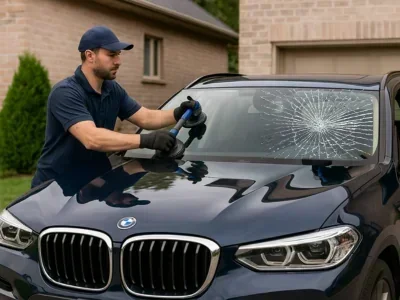
How Much Does a BMW Windshield Cost for a Replacement
The BMW windshield replacement cost typically ranges from $400 to $1,400 depending on your model and glass type. Choosing an OEM windshield ensures perfect fit and sensor compatibility, while aftermarket options can save you significant money. Your insurance coverage may cover the full cost, making replacement nearly free.
Key Takeaways
- BMW windshield replacement typically costs between $400 and $1,400, with premium models like the 7 Series costing more due to advanced glass technology.
- OEM windshields cost more than aftermarket but offer better fit, sensor compatibility, and longevity for your BMW.
- Insurance often covers windshield replacement, especially if you have comprehensive coverage, which means your out-of-pocket cost could be zero.
- Advanced features like rain sensors, head-up displays, and camera systems significantly increase the replacement price due to calibration needs.
- Driving away time ranges from 1 to 3 hours after a professional installation using proper urethane adhesive.
- DIY replacement is not recommended for BMWs because of the precision required and the risk of damaging expensive sensor systems.
📑 Table of Contents
- How Much Does a BMW Windshield Cost for Replacement
- Understanding BMW Windshield Replacement Cost
- OEM vs Aftermarket Windshields for BMW
- Factors That Affect BMW Windshield Pricing
- The BMW Windshield Replacement Process
- Insurance and BMW Windshield Replacement
- Tips to Save Money on BMW Windshield Replacement
- Common Mistakes to Avoid When Replacing a BMW Windshield
- Expert Insights on BMW Windshield Care
- Final Thoughts on BMW Windshield Replacement Cost
How Much Does a BMW Windshield Cost for Replacement
If you own a BMW, you already know that maintaining this luxury vehicle comes with a premium price tag. One expense that catches many BMW owners off guard is a cracked or damaged BMW windshield replacement cost. Unlike generic cars, BMW windshields are engineered with advanced technology, sensors, and precision fitment that drive the price higher than you might expect.
The good news is that understanding what goes into the cost helps you make smarter decisions. Whether you drive a compact BMW 3 Series or a luxurious 7 Series, knowing the price range, your options, and how insurance fits in can save you hundreds of dollars. This guide breaks down everything you need to know about replacing your BMW windshield without the guesswork.
A damaged windshield is not just a cosmetic issue. It compromises your structural safety, distorts your head-up display, and can interfere with driver-assistance features. So, getting it fixed quickly and correctly matters. Let us dive into the numbers and details behind BMW windshield replacement cost so you feel confident when the time comes.
Understanding BMW Windshield Replacement Cost
The average BMW windshield replacement cost falls between $400 and $1,400. But that range is broad because so many factors influence the final price. A BMW 3 Series windshield will cost less than a BMW X5 or 7 Series because of differences in glass size, technology embedded in the glass, and model-specific engineering.
Here is a general breakdown of what you might pay across popular BMW models:
- BMW 3 Series: $400 to $700
- BMW 5 Series: $500 to $850
- BMW X3 and X5: $600 to $1,000
- BMW 7 Series: $800 to $1,400
- BMW iX and Electric Models: $900 to $1,500+
These prices include the glass itself plus professional installation. Keep in mind that prices vary by region, shop, and whether you choose OEM or aftermarket glass. Always ask for a detailed quote before committing to a replacement. You can also check the cost of windshield replacement for a car to compare with non-luxury vehicles and see where BMW pricing fits in the broader market.
Why BMW Windshields Cost More Than Standard Cars
BMW windshields are not just pieces of glass. They are complex components integrated into the vehicle’s structure and technology. Several reasons explain why the BMW windshield replacement cost exceeds what you would pay for a standard sedan:
- Advanced glass technology: BMW uses acoustic laminated glass that reduces road noise significantly. This specialized glass costs more to manufacture.
- Embedded sensors: Many BMW models feature rain sensors, light sensors, and camera systems built into the windshield. These components add to the glass cost.
- Head-up display compatibility: BMWs equipped with head-up displays require specific windshield sections with precise optical clarity and projection zones.
- Model-specific fitment: Each BMW model has unique curves, dimensions, and mounting points. The glass must match perfectly, which limits the supplier pool.
- Premium adhesive systems: BMW requires high-quality urethane adhesives that meet strict structural and safety standards. These adhesures also affect drive-away time.
OEM vs Aftermarket Windshields for BMW
One of the biggest decisions you will face is choosing between an OEM (Original Equipment Manufacturer) windshield and an aftermarket alternative. This choice has a major impact on your total BMW windshield replacement cost and the quality of the result.
What Is an OEM Windshield?
An OEM windshield is made by the same supplier that provided the original glass when your BMW was built. Companies like AGC, Pilkington, andNSG Group supply glass directly to BMW. The windshield carries the BMW logo and matches the exact specifications of your vehicle.
Benefits of choosing OEM include:
- Perfect fit and seal: The glass matches the factory tolerances exactly, ensuring no leaks or wind noise.
- Sensor compatibility: All built-in sensors and cameras work seamlessly with OEM glass.
- Warranty coverage: Many OEM replacements come with a manufacturer warranty that covers defects and installation issues.
- Resale value: A vehicle with OEM glass maintains its luxury appeal and resale value better.
What Is an Aftermarket Windshield?
Aftermarket windshields are produced by third-party manufacturers who are not affiliated with BMW. They are designed to fit your vehicle but may not match the exact specifications of the original glass. Aftermarket options are significantly cheaper, which makes them attractive for budget-conscious owners.
Here is a quick comparison to help you decide:
- OEM Pros: Perfect fit, full sensor function, warranty, maintains resale value
- OEM Cons: Higher cost, longer wait times for some models
- Aftermarket Pros: Lower cost, widely available, faster installation
- Aftermarket Cons: May not fit perfectly, sensor issues possible, no OEM warranty
For most BMW owners, we recommend going with OEM glass. The BMW windshield replacement cost difference is worth the peace of mind, especially when your windshield houses expensive camera and sensor systems. However, if you have a tight budget and your model has fewer embedded technologies, aftermarket can be a reasonable option.
Factors That Affect BMW Windshield Pricing
Not every BMW windshield replacement costs the same. Several factors can push the price up or bring it down. Understanding these variables helps you anticipate costs and avoid surprises.
Your BMW Model and Series
The model you drive is the single biggest factor in pricing. A BMW 3 Series has a smaller, less complex windshield than a BMW X7. Luxury SUVs and sedans with extended windshields or curved glass designs require custom-cut pieces that cost more. If you drive an electric BMW model, the windshield may also house additional sensors for driver-assistance features, adding to the cost.
Technology Embedded in the Glass
Modern BMWs are packed with technology built into the windshield. Here are the features that increase replacement cost:
- Rain and light sensors: These automatically control rain wipers and automatic headlights. Replacing them requires recalibration.
- Camera systems: Front-facing cameras used for lane-keeping and collision avoidance are often mounted near the top of the windshield.
- Head-up display: Projects speed, navigation, and safety information onto the windshield. The glass must have a specific transparent zone for proper projection.
- Heated windshield zones: Some BMW models include heated areas near the mirrors or rearview mirror region.
- Acoustic insulation layers: The laminated acoustic glass reduces cabin noise and costs more than standard glass.
Each of these features requires a specialized glass piece and often a calibration step after installation. This is why the BMW windshield replacement cost for a fully loaded 7 Series can exceed $1,400.
Where You Live
Geographic location plays a surprising role in pricing. Labor rates vary dramatically between cities and regions. A replacement done in a major metropolitan area like New York or Los Angeles will likely cost more than the same job in a smaller city. Additionally, the availability of certified BMW glass technicians in your area affects competition and pricing.
Time of Year and Availability
During peak seasons or after severe weather events, demand for windshield replacements spikes. This can lead to longer wait times and slightly higher prices. Ordering OEM glass for rare or older BMW models may also involve shipping delays that affect the total cost.
The BMW Windshield Replacement Process
Understanding what happens during a replacement helps you appreciate the labor involved and why the BMW windshield replacement cost includes more than just the glass itself. The process is detailed and precise, especially for modern BMWs with embedded technology.
Step 1: Removal of the Old Windshield
The technician begins by carefully removing the old windshield. This involves cutting the urethane adhesive bond that holds the glass in place. BMWs use a strong structural adhesive, so this step requires specialized tools and experience. The technician must avoid damaging the surrounding bodywork, sensors, or any embedded systems.
Proper removal also includes safely disconnecting any wiring harnesses connected to rain sensors, cameras, or antenna systems mounted near the glass. Rushing this step can cause costly damage.
Step 2: Surface Preparation and Priming
Once the old glass is removed, the technician prepares the frame. This involves cleaning the surface thoroughly, removing any old adhesive residue, and applying a primer and installation tape. These steps ensure the new windshield bonds properly and creates a watertight, structural seal.
Step 3: Installing the New Windshield
The new glass is carefully positioned into the frame. For BMWs with embedded sensors and cameras, alignment is critical. The technician must ensure the glass sits perfectly within the tolerances specified by BMW. Any misalignment can affect sensor performance, camera calibration, and even the head-up display.
Step 4: Applying Urethane Adhesive
A high-quality urethane adhesive is applied to bond the windshield to the frame. BMW specifies particular adhesive brands and types that meet their structural and safety standards. The adhesive needs time to cure before the car is safe to drive.
Step 5: Calibration and Quality Check
For BMWs equipped with advanced driver-assistance systems, a calibration step is essential. The technician uses specialized diagnostic equipment to recalibrate cameras, sensors, and any systems tied to the windshield. This step ensures that features like lane-keeping assist, automatic emergency braking, and adaptive cruise control work correctly.
The entire process typically takes 1 to 3 hours depending on the model and technology involved. You should not drive the vehicle until the technician confirms the adhesive has reached sufficient strength. Always ask about the drive-away time before leaving the shop.
Can You Replace a BMW Windshield Yourself?
Some car owners consider DIY windshield replacement to save on labor costs. While DIY kits exist for standard vehicles, we strongly advise against attempting this on a BMW. The precision required for sensor alignment, camera calibration, and proper adhesive application is beyond what a DIY kit can provide. A poorly installed BMW windshield can compromise structural integrity, sensor accuracy, and even safety in a collision. Additionally, DIY replacement typically voids any remaining warranty on your glass or vehicle. Stick with certified professionals who understand BMW-specific requirements.
Insurance and BMW Windshield Replacement
One of the best ways to reduce your out-of-pocket BMW windshield replacement cost is through insurance. Most comprehensive auto insurance policies cover windshield damage with no deductible or a very low one. This means your replacement could cost you little to nothing.
What Your Insurance Typically Covers
Comprehensive coverage, which is optional but highly recommended for BMW owners, typically covers windshield damage from:
- Road debris: Rocks, gravel, and other objects thrown up by passing vehicles
- Weather damage: Hail, falling branches, and extreme temperature changes
- Vandalism: Deliberate damage to your vehicle
- Accidents: Collisions that crack or shatter the windshield
Many insurance companies offer glass-only claims that do not count as an at-fault accident, meaning your premium should not increase. Some insurers even have partnerships with glass replacement networks that handle everything directly, so you pay nothing at all.
How to File a Windshield Claim
Filing a claim is straightforward. Contact your insurance provider, provide your policy details, and describe the damage. They will either recommend an approved glass shop or give you the freedom to choose your provider. Always confirm that the shop is certified for BMW repairs before scheduling. If you are shopping for insurance or wondering about other coverage details, understanding car insurance coverage for specific damage types helps you make informed decisions about your policy.
Tips to Save Money on BMW Windshield Replacement
Replacing a BMW windshield does not have to drain your bank account. Here are practical strategies to manage and reduce the cost:
- Check your insurance first: Before paying out of pocket, contact your insurance provider. Comprehensive coverage often covers the full cost.
- Get multiple quotes: Prices vary between shops. Get at least three quotes from certified BMW glass specialists and compare what is included.
- Ask about OEM vs aftermarket: If budget is a concern, ask your technician whether an aftermarket glass option meets your needs. Just make sure it is compatible with your sensors.
- Address small chips quickly: A small rock chip can often be repaired for $50 to $100 instead of requiring a full replacement. Quick repair prevents the crack from spreading.
- Look for seasonal promotions: Some glass shops offer discounts during slower months or have loyalty programs for repeat customers.
- Avoid dealerships if possible: BMW dealerships charge premium labor rates. Independent specialists certified in BMW glass replacement often provide the same quality at lower prices.
- Maintain your windshield regularly: Using quality windshield wipers and keeping your glass clean reduces the risk of damage. If you need new wipers, check whether Jiffy Lube or similar shops offer replacement services, or learn if you need a tool to change windshield wipers yourself to save on service visits.
Common Mistakes to Avoid When Replacing a BMW Windshield
Even with good intentions, BMW owners sometimes make mistakes during the replacement process. Avoiding these pitfalls protects your investment and ensures a safe, long-lasting result:
- Choosing the cheapest option without checking certifications: The lowest quote may come with poor-quality glass or inexperienced technicians. Always verify that the shop has BMW-specific training and certification.
- Skipping calibration: If your BMW has advanced driver-assistance features, skipping calibration after replacement is dangerous and can cause system malfunctions.
- Using non-BMW adhesive: Some shops use generic adhesives to save money. BMW specifies certain adhesive standards for structural integrity. Always confirm the adhesive meets BMW requirements.
- Driving too soon after replacement: The urethane adhesive needs time to cure. Driving before the recommended drive-away time can cause the windshield to shift or leak.
- Ignoring small chips: A tiny chip today becomes a cracked windshield tomorrow. Addressing minor damage early saves you from the full BMW windshield replacement cost.
Expert Insights on BMW Windshield Care
We spoke with certified BMW technicians who shared their top recommendations for maintaining your windshield and avoiding costly replacements:
Keep a safe following distance. The number one cause of windshield damage is debris kicked up by the vehicle ahead. Maintaining a generous following distance on highways gives you more reaction time and reduces the chance of rock chips.
Repair chips immediately. Even a small chip can spread across the entire windshield due to temperature changes, road vibrations, and normal driving stress. A quick repair costs a fraction of a full replacement.
Use BMW-specified glass only. Aftermarket glass from reputable suppliers is fine for older models without advanced sensor systems. But for modern BMWs with cameras, displays, and rain sensors, OEM glass is the safest choice.
Schedule annual inspections. During your regular BMW maintenance, ask the technician to inspect the windshield for chips, cracks, and seal integrity. Catching problems early prevents expensive surprises.
Protect your windshield in extreme weather. Parking in a garage during hailstorms or extreme heat waves significantly reduces the risk of glass damage. A good windshield cover is a small investment that can prevent costly repairs.
Final Thoughts on BMW Windshield Replacement Cost
The BMW windshield replacement cost can feel steep, especially when unexpected damage strikes. But with the right information, insurance coverage, and a trusted certified shop, you can navigate this expense confidently. Remember that your BMW windshield is not just a piece of glass. It is a critical safety component that supports your vehicle’s structure, houses expensive technology, and protects you and your passengers on every drive.
Whether you choose OEM or aftermarket glass, the most important decision is hiring a qualified technician who understands BMW-specific requirements. Cutting corners on installation to save a few dollars can lead to leaks, sensor failures, and safety risks that cost far more in the long run.
Take care of your windshield, address damage promptly, and keep your insurance updated. These simple habits keep your BMW looking and performing its best for years to come. A well-maintained windshield is one of the easiest ways to protect your investment and ensure safe driving on every journey.
Frequently Asked Questions
How long does a BMW windshield replacement take?
A typical BMW windshield replacement takes between 1 to 3 hours, depending on your model and the technology embedded in the glass. If your BMW has advanced sensors or a head-up display, calibration adds extra time. Always confirm the drive-away time with your technician before leaving the shop.
Does insurance cover BMW windshield replacement?
Yes, most comprehensive auto insurance policies cover BMW windshield replacement with little or no deductible. Many insurers handle glass claims separately from accident claims, so your premium usually does not increase. Check with your provider to confirm your specific coverage details.
Can I use aftermarket glass for my BMW windshield?
Yes, aftermarket glass is a viable option for many BMW models, especially older ones without embedded sensors. However, for modern BMWs with cameras, rain sensors, or head-up displays, OEM glass is strongly recommended to ensure proper fit, sensor function, and calibration accuracy.
How much does it cost to repair a small chip on a BMW windshield?
Repairing a small chip typically costs between $50 and $100, which is significantly less than a full replacement. However, if the chip has spread into a crack or is located in the driver’s direct line of sight, a full replacement becomes necessary. Always address chips quickly to prevent further damage.
Will my BMW sensors work properly after a windshield replacement?
Yes, as long as the replacement is performed by a certified technician using the correct glass and following proper calibration procedures. BMWs with advanced driver-assistance systems require post-installation calibration to ensure all sensors and cameras function correctly.
What is the drive-away time after a BMW windshield replacement?
The drive-away time for a BMW windshield replacement is typically 1 to 3 hours, depending on the adhesive used and the model. Some BMW-specified adhesives require longer curing times for maximum structural strength. Your technician will advise you on the exact wait time before driving.