How Much Does It Cost to Change Transmission Fluid at Home
Changing your transmission fluid at home can cost as little as $50 to $150 for parts, saving you hundreds compared to a shop visit. You will need the right fluid type, a drain pan, a socket set, and about 30 to 60 minutes of your time. This guide covers every cost factor, step-by-step instructions, and tips to avoid common mistakes.
Have you been wondering about the transmission fluid change cost at a mechanic shop? The numbers can be shocking. Many shops charge anywhere from $200 to $500 just to drain and refill your transmission fluid. But what if you could do it yourself for a fraction of that price?
Changing your transmission fluid at home is one of the most rewarding DIY maintenance jobs you can tackle. It saves you serious money, teaches you something new about your car, and gives you peace of mind knowing the job was done right. In this guide, we will walk you through every cost factor, every tool you need, and every step of the process.
Whether you drive an automatic or a manual, this article has you covered. We will break down the transmission fluid price, compare DIY versus shop costs, and give you practical tips to make the job easy and safe. Let us dive in.
Key Takeaways
- DIY saves big: Changing transmission fluid at home costs $50 to $150, while shops charge $200 to $500 or more.
- Fluid type matters: Automatic and manual transmissions use different fluids, and using the wrong one can damage your car.
- You need basic tools: A socket set, drain pan, funnel, and jack stands are all you need for most vehicles.
- Change intervals vary: Most manufacturers recommend changing transmission fluid every 30,000 to 60,000 miles.
- Safety first: Always work on a level surface with the car cooled down and properly supported on jack stands.
- Dispose of old fluid properly: Transmission fluid is hazardous waste and should be recycled at an auto parts store or service center.
📑 Table of Contents
- Understanding Transmission Fluid and Why It Matters
- How Much Does It Cost to Change Transmission Fluid at Home?
- Tools and Materials You Will Need
- Step-by-Step Guide to Changing Transmission Fluid at Home
- Common Mistakes to Avoid When Changing Transmission Fluid
- Benefits of Changing Transmission Fluid at Home
- When to Skip the DIY and Visit a Professional
- How Does the DIY Cost Compare to Professional Service?
- Tips for a Smooth Transmission Fluid Change
- Frequently Asked Questions
- Final Thoughts
Understanding Transmission Fluid and Why It Matters
Before we talk about costs, let us quickly cover what transmission fluid does and why it needs to be changed. Think of transmission fluid as the lifeblood of your car’s gearbox. It lubricates all the moving parts inside the transmission, keeps things cool, and helps with smooth gear shifts.
Over time, transmission fluid breaks down. It gets dirty, loses its viscosity, and becomes less effective. Old fluid can cause rough shifting, overheating, and even premature transmission failure. That is why staying on top of your transmission fluid change interval is so important.
Automatic vs Manual Transmission Fluid
Not all transmission fluid is the same. There are two main types, and they serve different systems.
- Automatic Transmission Fluid (ATF): Used in automatic gearboxes. It is a specially formulated fluid that handles the high heat and pressure of automatic shifting. Common types include Dexron VI and Mercon V.
- Manual Transmission Fluid: Often a thicker gear oil, sometimes referred to as gear lube. Manual transmissions do not use ATF in most cases.
Using the wrong type of fluid can cause serious damage. Always check your owner’s manual before you buy anything. If you are unsure, a quick visit to your local auto parts store can clear things up.
How Often Should You Change Transmission Fluid?
Most car manufacturers recommend changing automatic transmission fluid every 30,000 to 60,000 miles. For manual transmissions, the interval is often around 30,000 to 50,000 miles. However, these numbers can vary widely depending on your driving conditions.
If you tow heavy loads, drive in stop-and-go traffic, or operate in extreme heat, you may need to change your fluid more frequently. Harsh driving conditions break down fluid faster, so keep that in mind when planning your maintenance schedule.
How Much Does It Cost to Change Transmission Fluid at Home?
This is the big question, and the answer depends on several factors. Let us break down the transmission fluid cost so you know exactly what to expect.
Cost of Transmission Fluid
A quart of quality automatic transmission fluid typically costs between $15 and $30. Most vehicles require anywhere from 4 to 12 quarts for a full change. That puts the fluid cost at roughly $60 to $200 for a DIY job.
Here is a quick look at common fluid types and their approximate prices:
- Dexron VI ATF: $15 to $25 per quart
- Synthetic ATF: $20 to $35 per quart
- Manual gear oil: $12 to $25 per quart
Buying fluid in bulk or from discount auto parts stores can save you a good amount of money. Some stores also offer price matching, so it pays to shop around.
Cost of Tools and Supplies
If you do not already own the tools, there is an upfront cost to consider. Here is what you typically need:
- Socket set and ratchet: $30 to $60 (if you do not already own one)
- Drain pan: $10 to $20
- Jack and jack stands: $40 to $80 (if you do not already own them)
- Funnel: $5 to $10
- New transmission filter and gasket: $15 to $40
The good news is that most of these tools are reusable. You will use your socket set and jack stands for countless other projects too. So think of the upfront cost as an investment in your DIY toolkit.
Total DIY Cost Breakdown
For a first-time DIYer buying everything new, expect to spend around $100 to $250 total. For someone who already has basic tools, the cost drops to $60 to $150 for just the fluid and filter. Compare that to a shop charging $200 to $500, and the savings are clear.
Many people ask, “Can I change automatic transmission fluid myself?” The answer is absolutely yes, and we will walk you through it below.
Tools and Materials You Will Need
Gathering everything before you start is the key to a smooth job. Nothing is more frustrating than halfway through a repair and realizing you are missing a tool.
Essential Tools
- Jack and jack stands (or a ramp system)
- Socket set with metric and standard sizes
- Ratchet and extension
- Drain pan (at least 8 quarts capacity)
- Funnel
- Torque wrench
- Gloves and safety glasses
- Rags and paper towels
Materials
- Transmission fluid: Check your owner’s manual for the correct type and amount
- New transmission filter: If your vehicle has a replaceable filter
- New transmission pan gasket: Most pans use a gasket that should be replaced with every fluid change
- Transmission fluid dipstick: Only if yours is damaged or missing
Pro tip: Lay down a drop cloth or cardboard under your work area. Transmission fluid stains are tough to get out of concrete floors, and cleanup is no fun.
Step-by-Step Guide to Changing Transmission Fluid at Home
Now for the part you have been waiting for. Here is a detailed walkthrough of the DIY transmission fluid change process. We will keep it simple and easy to follow.
Step 1: Prepare Your Vehicle
Start by parking your car on a flat, level surface. Engage the parking brake and turn off the engine. Let the car cool down for at least 10 to 15 minutes. You want the fluid warm enough to flow out easily but not so hot that you risk burns.
If you need to lift the front of the car, use a jack to raise it and then secure it with jack stands. Never rely on a jack alone to hold the weight of the car while you are underneath it. Safety always comes first.
Step 2: Locate the Transmission Pan
Slide underneath the car and find the transmission pan. On most vehicles, it is a rectangular or oval-shaped metal pan bolted to the bottom of the transmission. Look for the drain plug on the pan or plan to remove the entire pan for a full fluid change.
Some vehicles have a drain plug on the bottom of the pan, which makes the job much easier. If yours does not, you will need to remove the pan bolts carefully to let the fluid drain out.
Step 3: Drain the Old Fluid
Place your drain pan directly beneath the drain plug or transmission pan. If your vehicle has a drain plug, simply remove it with the appropriate socket and let the fluid drain out completely.
If you are removing the pan, loosen the bolts on one side first, then the other. This allows fluid to drain from one end before the pan drops off. Be ready with your drain pan because the fluid will flow out quickly once the pan drops.
While the fluid is draining, take a moment to inspect the old fluid. Healthy transmission fluid should be reddish-brown and relatively clear. If the fluid is dark brown or black, or smells burnt, your transmission may be due for more serious attention.
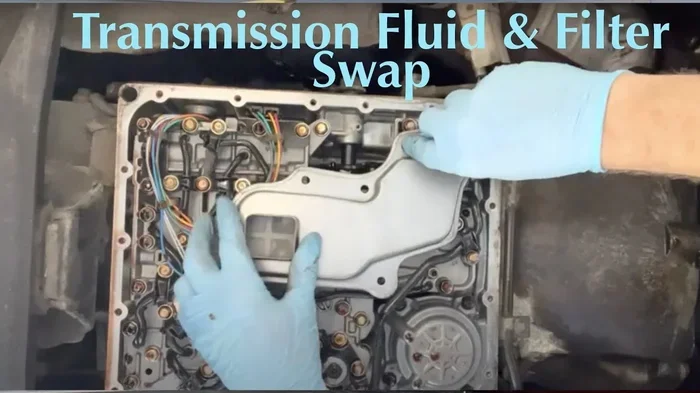
Step 4: Remove and Replace the Filter and Gasket
Once the fluid has drained, remove the old transmission filter if your vehicle has one. The filter is usually held in place by a few bolts or a clip. Replace it with a new one of the same size and type.
Clean any old gasket material off the transmission pan mating surface. Use a plastic scraper to avoid scratching the surface. Then install the new gasket and reattach the pan. Hand-tighten the bolts first, then torque them to the manufacturer’s specification with your torque wrench.
Step 5: Refill with New Fluid
Now it is time to add the fresh fluid. Locate the transmission fluid dipstick tube (usually near the back of the engine bay for automatic transmissions). Insert a funnel into the tube and pour in the new fluid slowly.
Add about half of the recommended amount first. Then start the engine and let it idle for a few minutes. This allows the new fluid to circulate through the transmission. With the engine running and the transmission in park, check the fluid level using the dipstick.
Add more fluid gradually until the level reaches the full mark on the dipstick. Do not overfill. Too much fluid can cause foaming and pressure problems.
If you are wondering whether you should leave the car running when adding fluid, the answer depends on your vehicle. Some manufacturers recommend checking the level with the engine off and cool, while others want it running warm. Always follow your owner’s manual for the correct procedure.
Step 6: Check for Leaks and Proper Operation
After refilling, start the engine and let it idle. Shift through all the gears (P, R, N, D, and any manual modes if applicable) and pause for a few seconds in each gear. This helps the new fluid settle and circulate properly.
Then, while the car is still in park and the engine is running, check the transmission fluid level one more time. Top off if needed.
Look under the car for any leaks around the drain plug or pan bolts. Wipe away any drips and check again after a few minutes. If everything looks dry and leak-free, you are good to go.
Step 7: Dispose of Old Fluid Properly
Transmission fluid is considered hazardous waste. Do not pour it down the drain or onto the ground. Most auto parts stores, including AutoZone and O’Reilly, will accept used transmission fluid for recycling at no charge. Pour the old fluid into a sealed container and bring it to your nearest recycling drop-off.
Common Mistakes to Avoid When Changing Transmission Fluid
Even with the best intentions, mistakes can happen. Here are the most common errors people make when changing their own transmission fluid, and how to avoid them.
Using the Wrong Fluid Type
This is the number one mistake. Using the wrong fluid can cause slipping, overheating, and expensive transmission damage. Always double-check your owner’s manual for the exact fluid specification. When in doubt, ask a parts store employee or check the fluid compatibility chart on the product label.
Overfilling or Underfilling
Both too much and too little fluid cause problems. Overfilled fluid can foam and cause erratic shifting. Underfilled fluid leads to poor lubrication and overheating. Take your time when filling, and always check the level using the proper procedure for your vehicle.
Skipping the Gasket and Filter
Reusing an old gasket or filter can lead to leaks and contaminated fluid. Always install a new gasket and replace the filter if your vehicle has one. These are small costs that prevent big problems down the road.
Not Torquing Bolts Properly
Overtightening the pan bolts can strip the threads or warp the pan. Under-tightening can cause leaks. Use a torque wrench and follow the manufacturer’s specifications. This is a small step that makes a big difference.
Ignoring Warning Signs
If you notice grinding noises, slipping gears, or a burning smell after changing your fluid, stop driving and have the car inspected. These could be signs of a deeper transmission problem that a fluid change alone will not fix.
Benefits of Changing Transmission Fluid at Home
Still on the fence about doing it yourself? Here are some compelling reasons to grab your tools and give it a try.
Significant Cost Savings
The biggest benefit is the money you save. A shop might charge $300 or more for a transmission fluid change. Doing it yourself cuts that cost by 50 to 80 percent. Over the life of your car, those savings add up quickly.
Plus, you control the quality of the parts and fluid you use. No upselling, no unnecessary add-ons, no surprises on the bill.
Learn Valuable Car Skills
Every DIY repair you do makes you more confident and knowledgeable about your car. Changing transmission fluid is a great entry-level maintenance job that teaches you about your vehicle’s drivetrain. Once you have done it once, you will feel more comfortable tackling other repairs too.
Better Maintenance Scheduling
When you do it yourself, you are not at the mercy of a mechanic’s schedule or recommendation. You can change your fluid exactly when it makes sense for your driving habits and conditions. This proactive approach can extend the life of your transmission significantly.
With proper maintenance, a well-cared-for transmission can last well over 200,000 miles. Some vehicles even reach 300,000 miles or more with regular fluid changes and good care. If you want to learn more about how long a transmission can last, check out this guide on can a transmission last 300,000 miles.
No Waiting, No Appointments
You do not need to book an appointment, wait in a lobby, or arrange a ride while your car sits at the shop. You can change your transmission fluid on a Saturday morning in your own driveway, on your own schedule.
When to Skip the DIY and Visit a Professional
Changing transmission fluid at home is a great DIY job for most vehicles, but there are situations where it is better to leave it to the professionals.
- Your vehicle requires a special procedure: Some modern cars, especially certain European models, need a computer to check and set the fluid level. If your car requires this, a DIY change may not be possible without specialized equipment.
- You have never done under-car work before: If you are completely new to DIY car maintenance, it is okay to start with simpler jobs like oil changes or windshield wiper replacement first. Building your confidence is important.
- You notice signs of transmission trouble: If your transmission is already slipping, making noise, or leaking, a fluid change might not solve the problem. In these cases, a professional diagnosis is the smarter choice.
- Your vehicle is still under warranty: Some warranties require maintenance to be performed by a certified dealer or mechanic. Check your warranty terms before doing any work yourself.
If you are unsure whether your vehicle is a good candidate for a DIY fluid change, a quick search for your specific model can give you clarity. For example, if you drive a Toyota, you might want to check whether you can take your Toyota to any dealership for warranty work before deciding on the approach.
How Does the DIY Cost Compare to Professional Service?
Let us put the numbers side by side so you can see the full picture.
- DIY transmission fluid change: $60 to $200 for parts and supplies (if you already own basic tools)
- Shop labor and fluid: $200 to $500 or more, depending on the shop and vehicle
- Dealership service: $300 to $600 for the same job, often with OEM fluid
The savings from a DIY approach are significant. Even if you need to buy a basic tool set, you will likely break even after one or two DIY jobs and save money on every change after that.
Of course, the trade-off is your time and effort. A shop can do the job in an hour or two while you wait. A DIY job takes about the same amount of time but requires you to do the physical work. If you value the savings and the learning experience, it is well worth it.
Tips for a Smooth Transmission Fluid Change
- Warm up the fluid first: Driving the car for 10 to 15 minutes before you start helps the fluid drain more completely. The old fluid carries more contaminants out when it is warm.
- Take photos before disassembly: Snap pictures of the pan, bolts, and filter before you remove anything. These photos are invaluable when it is time to reassemble everything.
- Clean the pan thoroughly: Before reinstalling, wipe the inside of the pan clean and remove any metal shavings or debris. This debris can tell you a lot about the health of your transmission.
- Use a quality fluid: Do not cheap out on the fluid. A good quality synthetic or factory-spec fluid protects your transmission better and lasts longer.
- Check for a transmission fluid recall or TSB: Some manufacturers have technical service bulletins related to transmission fluid changes. A quick search online can reveal if your vehicle has any known issues.
- Replace the drain plug washer: If your pan has a drain plug with a washer or O-ring, replace it. This prevents leaks and is a small cost that pays off.
If you are also curious about how long a full tank of gas lasts and how far you can drive on a single tank, you might enjoy our article on how long a full tank of gas lasts. It is a great companion piece for anyone looking to understand their vehicle better.
Frequently Asked Questions
Can I change transmission fluid myself?
Yes, absolutely. Changing transmission fluid at home is a manageable DIY project for most people with basic mechanical skills. You will need a few tools, the correct fluid, and about an hour of your time. If you have never done under-car work before, watching a video tutorial for your specific vehicle model can be very helpful.
How much does it cost to change transmission fluid at a shop?
Most shops charge between $200 and $500 for a transmission fluid change. The price varies based on the type of fluid, the vehicle model, and your local labor rates. Dealerships tend to charge more, often $300 to $600 for the same service.
How often should I change my transmission fluid?
Most manufacturers recommend changing automatic transmission fluid every 30,000 to 60,000 miles. Manual transmission fluid should be changed every 30,000 to 50,000 miles. If you drive in severe conditions such as heavy traffic, extreme heat, or while towing, you may need to change it more often.
What happens if you never change transmission fluid?
Old transmission fluid breaks down over time, losing its lubricating properties. This can lead to rough shifting, overheating, increased wear on internal components, and eventually transmission failure. Neglecting fluid changes is one of the most common causes of premature transmission wear.
Can I add transmission fluid while the engine is running?
Yes, for most automatic transmissions, you should check and add fluid with the engine running and warmed up. However, the exact procedure varies by vehicle. Always consult your owner’s manual for the correct method. If you are unsure about the process, you can find detailed guidance on adding transmission fluid with the engine running.
Is it better to do a drain and fill or a full transmission flush?
A drain and fill removes about 40 to 60 percent of the old fluid, while a full flush replaces nearly all of it. A drain and fill is simpler, safer for older vehicles, and easier to do at home. A flush is more thorough but requires specialized equipment and is best left to professionals for most DIYers.
Final Thoughts
Changing your transmission fluid at home is one of the smartest maintenance decisions you can make. The transmission fluid change cost is a fraction of what a shop charges, and the satisfaction of doing it yourself is priceless. You save money, learn a valuable skill, and take better care of your car.
With the right fluid, the right tools, and a little patience, you can complete this job in about an hour. The steps are straightforward, and the rewards are immediate. Your transmission will thank you with smoother shifts, better performance, and a longer lifespan.
So grab your socket set, pick up the correct fluid, and give it a try. Once you have done it once, you will wonder why you ever paid someone else to do it. Your car, your wallet, and your confidence will all come out ahead.