How Much Does It Cost to Fix a Parking Brake Malfunction
The cost to fix a parking brake malfunction typically ranges from $100 to $500, depending on the cause and your vehicle model. Most drivers pay around $200 to $350 for common repairs like cable adjustment or replacement. Ignoring a parking brake problem can lead to costly damage to your rear brakes and drivetrain, so it is smart to address the issue early.
Your parking brake is one of those parts you probably do not think about until something goes wrong. Maybe you pull the lever or press the pedal and nothing happens. Or perhaps the brake stays stuck on even when you release it. Either way, a parking brake malfunction is more than just an inconvenience. It is a safety issue that needs attention fast.
So, how much does it actually cost to fix a parking brake malfunction? The answer depends on what is causing the problem, your vehicle type, and where you take it for service. In this guide, we will break down every cost factor, explain the most common reasons parking brakes fail, and give you practical advice on what to do next. Whether you drive a sedan, SUV, or truck, this article will help you understand what you are dealing with and what to expect at the repair shop.
Key Takeaways
- Average Repair Cost: Most parking brake fixes cost between $100 and $500, with labor making up a big portion of the bill.
- Common Causes: Worn cables, stuck calipers, and broken springs are the top reasons parking brakes malfunction.
- DIY Options: Simple cable adjustments can save you money, but complex issues need a professional mechanic.
- Ignoring the Problem: Driving with a faulty parking brake wears down your rear brake pads faster and can cause unsafe driving conditions.
- Prevention: Regular brake system maintenance and proper use extend the life of your parking brake components.
- Related Costs: If your parking brake issue has damaged rear brake pads, expect to add $150 to $300 for a full brake pad replacement.
📑 Table of Contents
- Understanding Your Parking Brake System
- Common Causes of Parking Brake Malfunctions
- Parking Brake Repair Cost Breakdown
- Factors That Affect Parking Brake Repair Cost
- DIY vs Professional Repair: Which Is Right for You?
- How to Prevent Parking Brake Problems
- When a Parking Brake Problem Signals Bigger Trouble
- How Long Does a Parking Brake Repair Take?
- Key Takeaways
- Final Thoughts
Understanding Your Parking Brake System
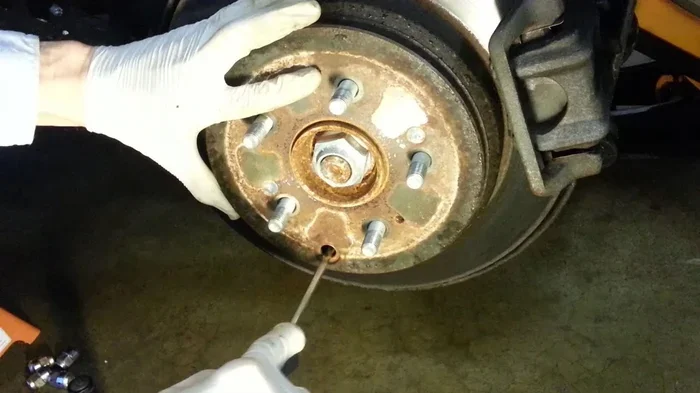
Before we dive into costs, it helps to understand how your parking brake works. Most vehicles use a mechanical cable system that connects the parking brake lever or pedal to the rear brake calipers. When you pull the lever or press the pedal, the cable tightens and presses the brake pads against the rear rotors or drums. This keeps your car from rolling when parked.
Over time, these cables can stretch, rust, or break. The calipers can seize up. Springs can weaken. Any of these problems leads to a parking brake malfunction. Understanding the basic parts of your system makes it easier to understand why repairs cost what they do.
Key Components of the Parking Brake
- Parking Brake Cable: The metal cable that runs from your lever or pedal to the rear brakes. This is the most common part that fails.
- Rear Brake Calipers: The mechanisms that grip the rotors or drums when the parking brake engages.
- Return Springs: Small springs that pull the brake pads back when you release the parking brake.
- Lever or Pedal Assembly: The part you interact with inside the cabin.
- Adjusters: Components that keep the proper tension on the parking brake cable.
When any of these parts wear out or break, the whole system suffers. That is why a parking brake malfunction can show up in many different ways.
Common Causes of Parking Brake Malfunctions
Not all parking brake problems are the same. Some happen slowly over time. Others strike suddenly. Knowing the cause helps you understand the repair cost and whether you can fix it yourself or need a mechanic.
Stretched or Frayed Parking Brake Cable
This is the most common cause of parking brake issues. The cable connects your lever to the rear brakes. Over thousands of miles, the cable stretches. Eventually, it becomes too loose to engage the brake properly. You might notice the lever pulls up too high or the brake does not hold the car on a hill. A stretched cable is a simple and affordable fix.
Seized or Stuck Brake Caliper
If your parking brake stays engaged even when you release it, a stuck caliper might be the culprit. Calipers can seize due to rust, dirt, or lack of use. When this happens, the brake pads stay pressed against the rotor. This creates a grinding noise and can damage the rotor over time. A seized caliper repair costs more than a simple cable fix because it involves more labor and potentially new parts.
Broken Return Springs
Return springs are small but important. They pull the brake pads away from the rotor when you release the parking brake. When these springs break or weaken, the brake stays partially engaged. This causes uneven tire wear and can overheat your rear brakes. Replacing springs is a relatively low-cost repair, but the labor adds up depending on how hard the parts are to reach.
Corroded or Rusted Cable
Cars that sit outside in wet or salty conditions are especially prone to cable corrosion. Rust builds up on the cable and prevents it from moving freely. A corroded cable might not engage fully or might not release at all. In many cases, a corroded cable needs full replacement rather than just adjustment.
Faulty Parking Brake Sensor
Modern vehicles often have electronic parking brakes with sensors. If the sensor fails, your dashboard warning light stays on even when the brake is working fine. Replacing a sensor is usually straightforward, but the part can be expensive for certain luxury or European models.
Parking Brake Repair Cost Breakdown
The big question everyone wants answered: what will this repair cost me? The truth is, the price varies a lot based on the specific problem, your vehicle, and your location. Here is a detailed look at what you can expect to pay for each type of parking brake repair.
Cable Adjustment Cost
If your parking brake cable just needs adjusting, you are in luck. This is the least expensive repair. Most mechanics charge between $50 and $100 for a cable adjustment. The work itself is quick, usually taking less than 30 minutes. Some skilled DIYers can do this at home with basic tools and save the labor cost entirely.
Parking Brake Cable Replacement Cost
When a cable is frayed, broken, or too corroded to fix, full replacement is necessary. The cable itself is inexpensive, usually $15 to $40 depending on your vehicle. However, labor adds to the total. Expect to pay between $100 and $250 for a complete cable replacement. The rear cables are the most common to fail and the most frequent repair you will encounter.
Caliper Repair or Replacement Cost
Seized calipers need more work than cable issues. A mechanic can sometimes rebuild a stuck caliper by cleaning and lubricating the sliding pins. This costs around $100 to $200. If the caliper is damaged beyond repair, full replacement is needed. A new rear caliper ranges from $80 to $200 for the part, plus $100 to $250 for labor. The total can reach $300 or more for a caliper replacement.
Return Spring Replacement Cost
Broken return springs are a common reason the parking brake does not release fully. Replacing these springs is relatively inexpensive. The parts cost around $10 to $30, and labor runs $80 to $150. Total cost typically falls between $90 and $180. This is one of the more affordable parking brake repairs you can get.
Sensor Replacement Cost
For vehicles with electronic parking brakes, a failed sensor triggers a warning light on the dashboard. Replacing the sensor costs between $50 and $150 for the part. Labor adds another $50 to $100. The total repair usually comes to around $100 to $250. Keep in mind that European luxury vehicles may charge more for electronic parking brake components.
Factors That Affect Parking Brake Repair Cost
Not all parking brake repairs cost the same. Several factors influence the final price you will pay. Understanding these factors helps you budget accurately and avoid surprises at the repair shop.
| Factor | How It Affects Cost |
|---|---|
| Vehicle Make and Model | Luxury and imported vehicles have higher parts and labor costs. Common domestic models are usually cheaper to repair. |
| Type of Parking Brake | Electronic parking brakes require specialized tools and knowledge, increasing labor costs compared to traditional cable systems. |
| Extent of the Damage | A simple cable adjustment costs far less than a full caliper replacement. The more parts that need work, the higher the bill. |
| Location of Repair Shop | Dealerships charge more than independent mechanics. Urban shops tend to cost more than rural ones. |
| Labor Rates | Mechanic hourly rates vary widely by region, ranging from $75 to $150 per hour on average. |
| Whether Parts Are New or Refurbished | New OEM parts cost more than aftermarket or refurbished alternatives, but they often come with better warranties. |
One thing to keep in mind is that if your parking brake malfunction has caused secondary damage, the repair cost goes up. For example, if a stuck parking brake has worn your rear brake pads unevenly, you will also need to replace the pads. The cost of brake pad replacement typically runs $150 to $300 for both rear wheels. This is an additional expense on top of the parking brake repair itself.
It is also worth noting that if you are dealing with rear brake issues more broadly, checking whether you need to change all 4 brake pads at once can save you money in the long run. Replacing all pads together ensures even braking and prevents future problems.
DIY vs Professional Repair: Which Is Right for You?
Some parking brake repairs are simple enough for a confident DIYer. Others require professional tools and expertise. Here is a breakdown of what you can handle yourself and what should be left to the pros.
Repairs You Can DIY
- Cable Adjustment: Most vehicles have an adjustable nut on the parking brake cable. A simple turn can tighten or loosen the cable. This requires basic tools and about 15 minutes of your time.
- Cable Lubrication: Applying white lithium grease to the cable sheath can improve cable movement and prevent future sticking. This is a free or very low-cost fix.
- Brake Light Bulb Replacement: If your parking brake warning light stays on, a burned-out bulb might be the cause. Replacing a brake light bulb is a quick and easy job anyone can do at home.
Repairs That Need a Professional
- Full Cable Replacement: While the part is cheap, routing and adjusting a new cable correctly requires experience and the right tools.
- Caliper Rebuild or Replacement: Working on rear brake calipers involves dealing with hydraulic brake lines and proper torque specifications. Mistakes here can compromise your braking safety.
- Electronic Parking Brake Service: Modern electronic systems require diagnostic tools and software that only a professional shop will have.
If you are not sure whether a repair is within your skill level, it is always wise to get a professional inspection first. Many shops offer free or low-cost diagnostics. A quick check can save you from making a costly mistake.
How to Prevent Parking Brake Problems
The best way to deal with a parking brake malfunction is to prevent one from happening in the first place. Regular maintenance and good habits go a long way toward keeping your parking brake working reliably for years.
Use Your Parking Brake Regularly
It might sound counterintuitive, but not using your parking brake actually causes problems. When you leave it disengaged for long periods, the cables lose tension and the return springs weaken. Make it a habit to engage the parking brake every time you park, even on flat ground.
Keep Cables Clean and Lubricated
Rust and corrosion are the enemies of parking brake cables. Periodically inspect the cables for signs of rust or fraying. Apply a cable lubricant to keep them moving freely. This simple step can add years of life to your parking brake system.
Get Regular Brake Inspections
During routine brake maintenance, ask your mechanic to inspect the parking brake system. They can spot worn cables, weak springs, and sticking calipers before they become major problems. Catching issues early means smaller repairs and lower costs.
Avoid Over-tightening the Cable
Some people pull the parking brake lever way up too tight. This puts excess stress on the cable and the adjuster. A firm pull until you feel solid resistance is all you need. Over-tightening accelerates cable wear and can cause premature failure.
When a Parking Brake Problem Signals Bigger Trouble
Sometimes a parking brake malfunction is not just about the parking brake itself. It can be a symptom of a larger problem with your rear brake system. Here are some warning signs that suggest deeper issues:
- Grinding or Squealing Noise: This usually means the brake pads are worn down to the metal and need immediate replacement.
- Vehicle Pulls to One Side: A stuck caliper can cause your car to pull to one side when braking. This is both a parking brake symptom and a serious braking safety concern.
- Warning Light Stays On: A persistent dashboard warning light could indicate an electronic parking brake module failure or a sensor issue that needs professional diagnosis.
- Burning Smell After Parking: If you smell something burning after leaving your car parked, the parking brake may not be releasing fully, causing the brakes to overheat.
Any of these signs warrant a trip to the mechanic as soon as possible. Driving with a compromised braking system is dangerous and can lead to accidents or further vehicle damage.
How Long Does a Parking Brake Repair Take?
Time is another factor to consider when budgeting for a parking brake fix. Simple adjustments take about 15 to 30 minutes. Cable replacements typically take one to two hours. Caliper work can take two to three hours depending on the vehicle. Sensor replacements are usually quick, around 30 to 45 minutes.
If you need a rental car while yours is in the shop, check whether your auto insurance or credit card covers rental reimbursement. Some policies include rental car coverage that can save you significant money during the repair period.
Key Takeaways
- Average Repair Cost: Most parking brake fixes cost between $100 and $500, with labor making up a big portion of the bill.
- Common Causes: Worn cables, stuck calipers, and broken springs are the top reasons parking brakes malfunction.
- DIY Options: Simple cable adjustments can save you money, but complex issues need a professional mechanic.
- Ignoring the Problem: Driving with a faulty parking brake wears down your rear brake pads faster and can cause unsafe driving conditions.
- Prevention: Regular brake system maintenance and proper use extend the life of your parking brake components.
- Related Costs: If your parking brake issue has damaged rear brake pads, expect to add $150 to $300 for a full brake pad replacement.
Final Thoughts
A parking brake malfunction is not something you should ignore. Whether the issue is a simple cable adjustment or a more serious caliper problem, getting it fixed promptly keeps you safe and prevents more expensive repairs down the road. The good news is that most parking brake repairs are affordable, especially when you catch the problem early.
Use the cost breakdowns in this guide to set realistic expectations before you visit the shop. Remember that the cheapest option is not always the best option. Choose a reputable mechanic who will diagnose the root cause and recommend the right fix for your specific situation. Your parking brake is a critical safety system, and it deserves proper attention.
Take care of your parking brake today, and it will take care of you for many miles to come. A little maintenance now saves you from headaches and expensive repairs later.
Frequently Asked Questions
What happens if I drive with a broken parking brake?
Driving with a broken parking brake is risky and can cause damage to your rear brake rotors and pads. The brake may not hold the car on a slope, which can lead to accidents. If the cable is completely snapped, the brake pads may stay engaged and create a grinding noise that damages the wheels. Get it fixed as soon as possible.
Can a parking brake malfunction cause the check engine light to come on?
In vehicles with electronic parking brakes, a malfunction can trigger the check engine light or a specific parking brake warning on the dashboard. The issue is usually related to a sensor failure or a problem with the electronic parking brake module. A mechanic can read the diagnostic codes to pinpoint the exact cause.
How often should I adjust my parking brake cable?
Most vehicles need a parking brake cable adjustment every 20,000 to 30,000 miles. However, if you notice the lever pulling up too high or the brake not holding firmly on a hill, it is time for an adjustment regardless of mileage. Regular inspections during oil changes help catch these issues early.
Is it safe to replace a parking brake cable myself?
If you have basic mechanical skills and the right tools, replacing a parking brake cable is a manageable DIY project. The key is routing the new cable correctly and adjusting the tension properly. If you are unsure, it is better to let a professional handle it to ensure your parking brake works safely and reliably.
Why does my parking brake make a grinding noise?
A grinding noise usually means the parking brake is not releasing fully, causing the brake pads to rub against the rotors constantly. This can be caused by a stuck caliper, a broken return spring, or a corroded cable. Continued grinding will wear down your brake pads and potentially damage the rotors, so prompt repair is important.
How much does it cost to fix a parking brake at a dealership vs an independent shop?
Dealerships typically charge 20 to 40 percent more than independent mechanics for the same parking brake repair. The dealership advantage is that they have access to OEM parts and specialized training for your specific vehicle model. Independent shops offer competitive pricing and can often get the same quality results at a lower cost.