What Is the Size of a Car in Feet and Why It Matters
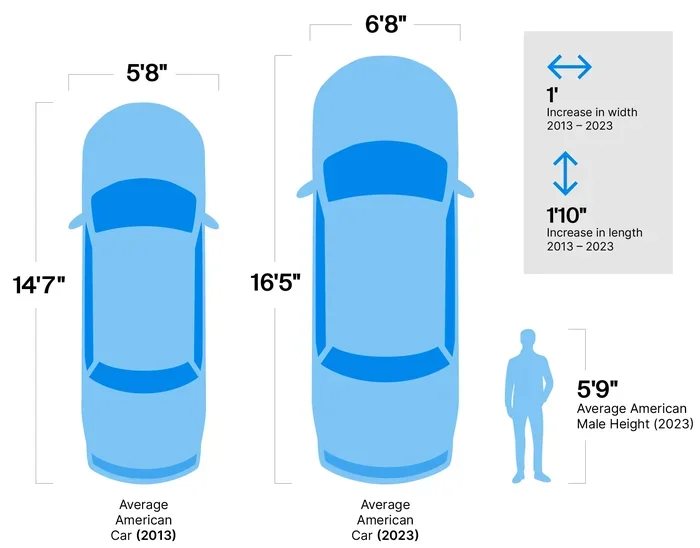
What Is the Size of a Car in Feet? A typical car measures about 14 to 16 feet long, 5.5 to 6 feet wide, and 4.5 to 5.5 feet tall. Knowing these car dimensions helps you park better, choose the right vehicle, and plan your garage space with confidence.
Have you ever wondered what is the size of a car in feet? It sounds like a simple question, but the answer is more interesting than you might think. Cars come in all shapes and sizes, and knowing those car dimensions can make a huge difference in your daily life.
Whether you are parking on a tight city street or shopping for a new vehicle, understanding what is the size of a car in feet gives you a real advantage. In this guide, we break down every major measurement in plain, simple terms. You will learn about length, width, height, and interior space. By the end, you will never look at a car the same way again.
The size of a car in feet is not just a number. It affects how you drive, where you park, and even how comfortable your daily commute feels. Let us dive into the details and make sense of it all.
Key Takeaways
- Car length varies by type: compact cars are around 14 feet, while full-size SUVs can stretch past 18 feet.
- Width matters for parking: most cars are about 5.5 to 6 feet wide, which affects garage fit and parallel parking ease.
- Height impacts garage clearance: knowing your car’s height in feet prevents roof damage in low garages.
- Interior dimensions count too: trunk space and legroom affect daily comfort and cargo needs.
- Vehicle category determines size: sedans, SUVs, trucks, and compacts each have distinct vehicle size categories with unique measurements.
- Wheelbase affects ride quality: a longer wheelbase generally means a smoother, more stable drive.
- Always measure before buying: understanding car measurements saves money and prevents costly mistakes.
📑 Table of Contents
- Why Does the Size of a Car in Feet Matter?
- Breaking Down Car Length in Feet
- Car Width in Feet: The Overlooked Measurement
- Car Height in Feet and Why You Should Care
- Interior Dimensions: Trunk Space and Legroom
- Wheelbase: The Hidden Measurement That Affects Ride Quality
- Quick Tips for Understanding Car Dimensions
- Common Mistakes People Make With Car Size
- Expert Insights on Vehicle Size and Daily Life
- How to Measure Your Car’s Size at Home
- Comparing Car Sizes: A Quick Reference
- Conclusion
Why Does the Size of a Car in Feet Matter?
Knowing the size of a car in feet is more useful than most people realize. It is not just about numbers on a spec sheet. These measurements shape your real-world experience every single day.
Here are a few reasons why car measurements matter so much:
- Parking ease: A shorter car fits into tight spots much more easily. If you live in a busy city, every foot counts.
- Garage fit: Before building or renting a garage, you need to know if your vehicle will actually fit inside.
- Fuel economy: Smaller vehicles tend to weigh less, which can improve your gas mileage over time.
- Safety: Larger vehicle size categories often offer more protection in crashes, but they can also be harder to maneuver.
- Resale value: Buyers often look at dimensions before making a purchase. The right size can boost your car’s market appeal.
When you understand what is the size of a car in feet, you make smarter buying decisions. You avoid surprises. You save time. And you find a vehicle that truly fits your lifestyle.
Breaking Down Car Length in Feet
Length is the first thing most people think about when they ask what is the size of a car in feet. It is simply how long the vehicle is from front bumper to rear bumper. Let us explore how vehicle length varies across different types of cars.
Compact Car Length
A compact car is one of the smallest common vehicle size categories. These vehicles typically measure between 14 and 15 feet long. Think of cars like the Honda Fit or the Toyota Corolla Hatchback. They are nimble, easy to park, and perfect for city driving.
Because of their shorter car length, compacts offer great maneuverability. You can squeeze into tight parallel parking spots without breaking a sweat. They also tend to use less fuel, which is a nice bonus for your wallet.
Midsize Sedan Length
A midsize car like a Toyota Camry or Honda Accord usually falls in the 15 to 16-foot range. These vehicles strike a great balance between interior space and everyday drivability.
Families often prefer midsize car dimensions because they offer more room without being unwieldy. The car footprint stays manageable for most driveways and parking lots. You get comfort and practicality in one package.
Full-Size Sedan and SUV Length
Now we get into the big leagues. A full size car dimensions profile includes vehicles like the Chevrolet Impala or full-size SUVs like the Chevrolet Tahoe. These machines can stretch beyond 16 to 18 feet in length.
With that extra length comes more interior space and a more commanding road presence. However, parking becomes a real challenge. You need wider spots and more maneuvering room. If you have a tight garage, a vehicle this long might not be the best fit.
Truck and Large SUV Length
Full-size trucks like the Ford F-150 can reach 20 feet or more. These are the giants of the road. Their massive car length makes them powerful haulers but difficult to park in standard spaces.
If you need a truck for work or towing, the extra length is a trade-off you accept. But for daily commuting, it is worth considering whether you really need all that metal.
Car Width in Feet: The Overlooked Measurement
When people think about what is the size of a car in feet, they rarely consider width first. But width is just as important as length. It determines how much road your vehicle takes up and how easily it fits through tight spaces.
Most standard passenger cars measure between 5.5 and 6 feet in width. Here is how that breaks down:
- Compact cars: Around 5.5 to 5.8 feet wide
- Midsize sedans: Around 5.8 to 6 feet wide
- SUVs and trucks: Often 6 to 6.5 feet wide
Width matters a lot for parking space requirements. A wider car needs more room on the street. It also affects your ability to navigate narrow parking garages and tight driveways.
Before you buy, measure your regular parking spots. Compare them against the car width of the vehicle you are considering. This simple step can save you a lot of frustration down the road.
Car Height in Feet and Why You Should Care
Height is another key part of what is the size of a car in feet. It determines whether your vehicle fits under garage doors, bridges, and parking structures.
Most passenger cars stand between 4.5 and 5.5 feet tall. SUVs tend to be taller, often reaching 5.5 to 6 feet or more. Here is why car height deserves your attention:
- Garage clearance: A standard residential garage door is about 7 to 8 feet tall. But some older garages are shorter. Always check before you buy.
- Low-clearance areas: Some parking garages and driveways have height limits. A tall SUV might not fit where a sedan glides right through.
- Wind resistance: Taller vehicles catch more wind, which can slightly reduce fuel efficiency at highway speeds.
- Roof rack compatibility: If you plan to carry gear on the roof, height affects how much clearance you have left.
The car measurements for height are easy to overlook, but they can cause real headaches if you ignore them. Always know your vehicle’s height before committing to a purchase.
Interior Dimensions: Trunk Space and Legroom
Exterior size is only half the story. The interior dimensions of a car matter just as much for daily comfort. When people ask what is the size of a car in feet, they often forget to think about the space inside.
Trunk Space
Trunk capacity is measured in cubic feet, but the physical dimensions of the trunk opening matter too. A compact car might offer 10 to 12 cubic feet of trunk space. A full-size SUV can deliver 15 cubic feet or more, especially with the rear seats folded down.
If you regularly carry groceries, luggage, or sports gear, trunk space is a critical factor. Test the trunk space with your actual luggage before you decide. Numbers on a website do not always tell the full story.
Passenger Legroom
Interior width and legroom vary widely across vehicle size categories. Compact cars may feel snug for rear passengers on long trips. Midsize and full-size vehicles offer much more breathing room.
If you have a family or frequently carpool, prioritize interior car dimensions that give everyone comfort. Your passengers will thank you on road trips.
Wheelbase: The Hidden Measurement That Affects Ride Quality
The wheelbase length is the distance between the front and rear wheels. It is one of the most important car measurements that people overlook entirely.
A longer wheelbase generally means a smoother, more stable ride. It also gives passengers more legroom inside the cabin. Here is how it typically breaks down:
- Compact cars: Wheelbase around 9.5 to 10.5 feet
- Midsize sedans: Wheelbase around 10.5 to 11.2 feet
- Full-size SUVs: Wheelbase exceeding 11.5 feet
The wheelbase length affects how the car handles bumps and turns. A longer wheelbase absorbs road imperfections better. It also improves highway stability, which makes long drives more comfortable.
When shopping for a vehicle, ask the salesperson about the wheelbase. It tells you a lot about the driving experience before you even hit the road.
Quick Tips for Understanding Car Dimensions
Want to get better at judging what is the size of a car in feet on your own? Here are some practical tips:
- Use a tape measure: If you are unsure about a vehicle’s dimensions, measure it yourself. Park it on a flat surface and mark the length and width on the ground.
- Compare to familiar objects: A standard parking space is about 9 feet wide and 18 feet long. Use this as a mental reference when judging vehicle size.
- Check the owner’s manual: Every car comes with a manual that lists exact car dimensions in feet and inches.
- Browse online specs: Most manufacturer websites list detailed measurements for every model. You can compare vehicle length side by side.
- Consider your lifestyle: A single person living in an apartment has different parking space requirements than a family of five with two cars.
These simple tips help you think about car measurements in a practical way. You will start to see vehicles in feet and inches rather than just brand names and trim levels.
Common Mistakes People Make With Car Size
Even car enthusiasts sometimes make mistakes when thinking about what is the size of a car in feet. Here are a few pitfalls to avoid:
- Ignoring width: Many buyers focus only on length and forget about width. A car that is 15 feet long but 6.5 feet wide behaves very differently in tight spaces than one that is 6 feet wide.
- Assuming all SUVs are the same size: Compact SUVs can be smaller than midsize sedans. Always check the actual car dimensions rather than relying on the vehicle type label.
- Forgetting about height: A car that fits in your driveway might not fit in your garage if the garage has a low ceiling. Always measure vertical clearance.
- Overlooking interior space: A car can look small on the outside but offer surprisingly roomy interior car dimensions. Always test the space with your actual needs in mind.
- Not considering parking reality: A vehicle that fits perfectly in your driveway might be a nightmare on your street. Think about your daily parking situation.
Avoiding these mistakes keeps you from buying a vehicle that does not truly fit your life. Take your time. Measure twice. Buy once.
Expert Insights on Vehicle Size and Daily Life
Automotive experts consistently emphasize that what is the size of a car in feet should guide your buying process. According to industry analysts, the vehicle size categories people choose directly impact their satisfaction with the purchase.
Here is what the experts say about matching car measurements to your lifestyle:
- Urban drivers benefit most from compact and subcompact vehicles. The shorter car length and narrower car width make city living much easier.
- Suburban families often prefer midsize or full-size SUVs. The extra interior dimensions accommodate car seats, sports equipment, and weekend gear.
- Frequent travelers should prioritize trunk space and passenger comfort. The car footprint matters less than the usable interior volume.
- Off-road enthusiasts need vehicles with adequate ground clearance and a sturdy frame, which often means larger vehicle size categories.
The bottom line is simple. The right size of a car in feet depends entirely on how you use it every day. Match the vehicle to your life, not the other way around.
How to Measure Your Car’s Size at Home
You do not need a professional mechanic to find out what is the size of a car in feet. You can do it yourself with basic tools and a little patience.
Here is a simple step-by-step process:
- Find a flat surface: Park your car on level ground. Make sure the area is clear of obstacles.
- Measure the length: Use a long tape measure from the front bumper to the rear bumper. Record the measurement in feet.
- Measure the width: Measure across the widest point of the vehicle, usually at the mirrors. Note whether this includes the mirrors or not.
- Measure the height: Start from the ground and go straight up to the highest point of the roof. Do this on a flat surface for accuracy.
- Check the wheelbase: Measure from the center of the front wheel to the center of the rear wheel. This gives you the wheelbase length.
These car measurements help you understand your vehicle better. They also come in handy when you need to describe your car to a mechanic, insurance agent, or potential buyer.
Comparing Car Sizes: A Quick Reference
Here is a handy reference to help you visualize how what is the size of a car in feet varies across popular vehicle types. Use this as a mental checklist when you are shopping.
Compact cars sit at the small end of the spectrum. They are easy to park and fuel-efficient. Midsize vehicles offer a nice middle ground with more room for passengers and cargo. Full-size cars and SUVs provide maximum space but demand more parking real estate. Trucks sit at the top for size, offering unmatched utility but requiring serious storage space.
Understanding these vehicle size categories helps you narrow down your options quickly. You can eliminate vehicles that simply do not fit your space and lifestyle needs before you even step into a dealership.
The size of a car in feet is a practical tool, not just a technical detail. Use it wisely, and you will always find the right fit.
Conclusion
What Is the Size of a Car in Feet? Now you have a clear and complete answer. From compact cars that measure around 14 feet to massive trucks pushing 20 feet, every vehicle has its own unique car dimensions. Understanding these measurements helps you park better, buy smarter, and drive with more confidence.
The size of a car in feet is not just a technical detail. It is a practical tool that affects your daily life in real ways. Whether you are fitting into a tight city parking spot or loading up for a family road trip, these measurements matter.
Take what you have learned here and apply it. Measure your current vehicle. Compare car measurements before your next purchase. And always think about how the vehicle size categories fit into your real-world routine. Your future self will thank you for taking the time to understand the car length, width, and height of the vehicles you drive every day.
Knowledge is power. And when it comes to what is the size of a car in feet, a little knowledge goes a long way. Drive smart, park easy, and choose the vehicle that truly fits your life.
Frequently Asked Questions
What Is the Average Size of a Car in Feet?
The average passenger car is about 14 to 16 feet long, 5.5 to 6 feet wide, and 4.5 to 5.5 feet tall. These car dimensions vary depending on the vehicle type, so always check the specific model you are interested in.
How Big Is a Compact Car in Feet?
A compact car typically measures around 14 to 15 feet in length and about 5.5 to 5.8 feet in width. These small vehicle size categories are ideal for city driving and easy parking in tight spaces.
What Is the Length of a Full-Size SUV in Feet?
Most full-size SUVs measure between 16 and 18 feet long, with some models exceeding 18 feet. Their large car footprint offers plenty of passenger and cargo space, but parking can be more challenging.
How Wide Is a Standard Car in Feet?
A standard passenger car is usually about 5.5 to 6 feet wide. This car width affects how easily the vehicle fits into parking spaces and navigates narrow streets or garages.
Why Should I Know the Size of My Car in Feet?
Knowing what is the size of a car in feet helps you park confidently, fit your vehicle in a garage, and make better buying decisions. It also prevents costly mistakes like buying a car that is too large for your space.
Does Car Height in Feet Affect Parking?
Yes, absolutely. Taller vehicles may not fit under low garage ceilings or parking garage clearances. Always check the car height before buying if you park in enclosed spaces regularly.