Where Do I Put My Keyless Car Key When Driving Smart
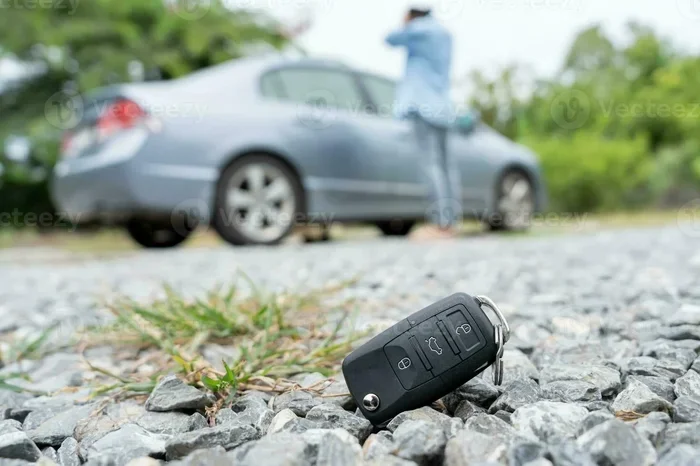
Knowing where to put your keyless car key when driving keeps your vehicle running smoothly and prevents frustrating shutdowns. The center console is the safest spot, while placing the key near electronics or in the trunk can cause signal problems. This guide covers the best locations, common mistakes, and expert tips every keyless car owner needs to know.
When you slide behind the wheel of a modern vehicle, one thing you might not think about is where your keyless car key goes. Unlike older cars that need a traditional metal key, today’s vehicles use smart technology to let you start the engine with the push of a button. But this convenience comes with a small question that many drivers overlook.
Knowing where do I put my keyless car key when driving can save you from frustration, unexpected shutdowns, and even security risks. The right placement keeps your vehicle running smoothly and ensures your keyless entry system works exactly when you need it most.
In this guide, we will walk you through the best spots for your smart key, common mistakes to avoid, and expert tips that every keyless car owner should know. Whether you just bought a new vehicle or have been driving without a physical key for years, this article has practical advice that makes sense.
Key Takeaways
- Best Spot: The center console or storage compartment is the safest and most reliable place for your keyless car key while driving.
- Signal Matters: Keep your key within 3 to 6 feet of the car’s proximity sensor antennas for consistent detection.
- Avoid Electronics: Placing your key near phones, laptops, or other devices can cause signal interference and keyless entry failures.
- Wrong Placement Risks: Putting the key in the trunk, under a seat, or too far from the driver can prevent push button start from working.
- Battery Health: Replace your key fob battery every one to two years to maintain a strong signal and avoid false detection issues.
- Theft Protection: Use a signal-blocking pouch at home to prevent relay theft and keep your keyless car secure overnight.
- Simple Habits: Making key placement a routine habit eliminates startup problems and makes every drive more convenient.
📑 Table of Contents
Why Keyless Car Key Placement Matters When Driving
You might wonder why the exact location of your key even matters. After all, the car should just work, right? Not always. The way your vehicle detects the key plays a big role in how smoothly your drive goes.
The Role of Your Smart Key in Vehicle Operation
Your smart key does more than unlock the doors. It sends a low-frequency signal to the car’s computer, telling the system that the correct key is nearby. Once the system confirms the key is present, you can press the start button and the engine fires up.
This whole process depends on proximity. The car has a proximity sensor that scans for the key’s signal within a certain range. If the key is too far away, in the wrong spot, or blocked by other electronics, the system may not recognize it.
That is why where do I put my keyless car key when driving is such an important question. The answer affects everything from starting your car to locking the doors. Getting the placement right means fewer headaches and a much smoother driving experience.
How Proximity Sensors Detect Your Key
Every modern vehicle with keyless go technology uses a network of antennas placed around the cabin. These antennas search for the key fob’s unique signal. When they find it, the car knows the key is inside the vehicle.
The detection range is usually around 3 to 6 feet. This means your key needs to be within that zone for the system to work. Placing your key too far from these antennas can cause the car to think no key is present.
Some vehicles also have multiple detection zones. The center console area tends to be the strongest signal zone because it is closest to the main antenna. Understanding this helps you make better choices about car key placement every time you get behind the wheel.
Common Places to Keep Your Keyless Car Key When Driving
Now that you understand how the system works, let us look at the most common and practical spots for your keyless car key. Each location has its own benefits and a few things to watch out for.
The Center Console and Storage Compartment
The center console is widely considered the best spot for your keyless car key while driving. Most vehicles design this compartment with the key in mind. It sits close to the car’s main antenna, which means the signal stays strong and consistent.
Here is why the console works so well:
- It keeps the key stable and prevents it from sliding around.
- The location is easy to reach without taking your eyes off the road.
- Most consoles have a soft lining that protects the key from scratches.
- It keeps the key away from other electronics that might cause interference.
If your vehicle has a deep storage bin in the center console, this is where you should place the key. Some cars even have a special key slot designed for the smart key. Check your owner’s manual to see if your car has one of these dedicated spots.
The Passenger Seat and Glove Box
The passenger seat is another popular option. Many drivers place the key on the seat next to them, especially when the console is full of phones, coins, or other items.
The glove box can also work in a pinch. It is a secure, enclosed space that keeps the key from moving around. However, the glove box is farther from the car’s antennas, which might weaken the signal in some vehicles.
Here are some tips for these spots:
- If you use the passenger seat, make sure the key is not under a wallet or phone that could block the signal.
- The glove box works well for short trips but may not be ideal for longer drives.
- Keep the glove box closed to reduce the chance of the key shifting while you drive.
Cup Holders and Door Pockets
Cup holders are a convenient fallback for many drivers. The key fits snugly and stays within arm’s reach. Door pockets are another option, though they sit a bit farther from the car’s detection zone.
The good thing about cup holders is that they keep the key upright and stable. You do not have to worry about it rolling or falling. Just make sure nothing else is in the cup holder that could block the key’s signal.
Door pockets, on the other hand, can sometimes cause issues. The fabric and padding may absorb some of the key’s signal strength. If you notice your car struggling to detect the key, try moving it from the door pocket to the console instead.
What Happens When Your Key Is in the Wrong Spot
Placing your keyless car key in the wrong location can lead to a range of problems. Some are minor annoyances, while others can leave you stranded. Let us look at what can go wrong.
Push Button Start Failures
The most common issue is the push button start not responding. You press the button, but nothing happens. The dashboard might show a warning light or a message saying “Key Not Detected.”
This usually happens when the key is too far from the car’s antennas or when something blocks the signal. Common culprits include:
- Placing the key in the trunk or rear cargo area
- Setting the key under a seat where it slides out of range
- Keeping the key next to a laptop or tablet that emits strong signals
- Storing the key in a metal container or magnetic holder
If this happens to you, the first thing to do is move the key closer to the center console or the start button area. In most cases, the car will detect it right away.
Signal Interference and Keyless Entry Issues
Signal interference is another real problem. Modern life is full of electronic devices, and some of them can disrupt the communication between your key and your car.
Signal interference can come from:
- Smartphones and tablets placed near the key
- Laptop computers or portable chargers
- Other key fobs from different vehicles
- High-voltage power lines or industrial equipment
When interference happens, your keyless entry system might not lock or unlock the doors properly. The car might not start, or it could start and then shut off unexpectedly. These situations are not just inconvenient, they can be dangerous if they happen while you are driving.
The best way to avoid interference is to keep your key away from other electronics. Store it in a dedicated spot in the console, and do not stack it with phones or devices that emit strong wireless signals.
Best Practices for Keyless Car Key Placement
Now that you know the best spots and the risks, let us talk about the habits that will keep your keyless car key working perfectly every time.
Keep It Close, Keep It Safe
The golden rule of keyless car key placement is simple: keep it close to the driver and in a stable position. The closer the key is to the car’s main antenna, the stronger and more reliable the connection will be.
Here are some habits that make a big difference:
- Always place the key in the console before starting the engine.
- Do not let passengers move the key around the cabin.
- Keep the key away from the edges of seats where it can fall between cushions.
- Use a dedicated key holder or tray if your console does not have one built in.
These small habits add up over time. They prevent the frustrating moments when your car does not recognize the key, and they protect the key from damage caused by falling or sliding around the cabin.
Avoid Common Keyless Entry Mistakes
Even experienced keyless car drivers make mistakes. Here are the ones to watch out for:
- Leaving the key in the ignition area: Some drivers forget to remove the key after turning off the engine. In keyless systems, there is no physical key to remove, which can create a false sense of security.
- Placing the key near the trunk release: If the key is in the trunk area when you close the tailgate, the car might lock the key inside.
- Using a phone case with a magnetic closure: Some phone cases have strong magnets that can interfere with the key’s signal or even drain the key fob battery.
- Ignoring low battery warnings: When the key fob battery gets low, the signal weakens. This can cause the same problems as wrong placement, even when the key is in the right spot.
Avoiding these mistakes keeps your driving experience smooth and stress-free.
Expert Tips for Safe Keyless Driving
Beyond placement, there are a few extra steps you can take to make sure your keyless driving experience is as safe and reliable as possible. These tips come from automotive experts and experienced drivers who have been using smart keys for years.
Key Fob Battery Maintenance
Your key fob runs on a small battery that needs to be replaced every one to two years, depending on how much you use it. A weak battery means a weaker signal, which can mimic the symptoms of wrong placement.
Here is how to stay ahead of battery issues:
- Replace the battery as soon as you notice the range getting shorter.
- Keep a spare battery in your glove box for emergencies.
- Use the battery type recommended by your vehicle manufacturer.
- Check the battery level if your car has a key fob battery indicator on the dashboard.
Most transponder key batteries are inexpensive and easy to swap. A fresh battery ensures your key sends a strong, clear signal to the car every single time.
Protecting Your Car From Vehicle Theft
Car security is a serious concern with keyless vehicles. Thieves have developed techniques to amplify the signal from your key, even when it is inside your home, and use it to unlock and start your car.
Here is how to protect your vehicle:
- Store your key in a signal-blocking pouch or box when you are at home.
- Do not leave the key near the front door or windows overnight.
- Use the vehicle’s built-in security features, such as PIN-to-drive technology.
- Keep your car in a locked garage when possible.
- Consider aftermarket signal blockers if your vehicle does not have built-in protection.
These steps add an extra layer of driving safety and give you peace of mind. They are especially important if you live in an area with higher rates of vehicle theft.
Understanding Your Vehicle’s Drive Mode and Ignition System
Many modern vehicles have different drive modes, such as Eco, Sport, and Normal. The ignition switch in a keyless car is electronic, meaning the start button controls everything. Understanding how these systems work helps you troubleshoot issues faster.
For example, some cars will not start in certain drive modes if the key signal is weak. Others may switch to a limited power mode to protect the engine. Knowing your vehicle’s behavior in these situations helps you stay calm and find the right solution quickly.
Take a few minutes to read through the sections of your owner’s manual that cover the smart key system. It will give you a much better understanding of how your specific vehicle handles key detection and keyless ignition.
Final Thoughts on Keyless Car Key Placement
So, where do I put my keyless car key when driving? The answer is clear: keep it in the center console or a stable spot close to the driver. This gives the car’s proximity sensor the best chance to detect the key and keeps your drive smooth and worry-free.
Avoid placing the key near electronics, in the trunk, or in spots where it can slide around. Replace the battery regularly, and use a signal-blocking pouch at home to protect against theft. These simple habits make a huge difference in how your keyless car performs every day.
The beauty of modern vehicles is that they are designed to be effortless. A little attention to where you place your key goes a long way in keeping that effortlessness going. Take a few seconds each time you get in the car to put the key in its proper spot. Over time, it becomes second nature, and you will never have to worry about your car not starting again.
Drive smart, place your key wisely, and enjoy the confidence that comes with knowing your vehicle is always ready to go.
Frequently Asked Questions
Can I put my keyless car key in my pocket while driving?
Yes, putting your keyless car key in a jacket or pants pocket is a perfectly fine option. The key needs to be within the car’s detection range, which is usually about 3 to 6 feet. As long as the key is close to the driver’s seat, the proximity sensor will detect it and the push button start will work normally.
What happens if my keyless car key battery dies while driving?
If the key fob battery dies while you are driving, the car will usually continue to run normally. However, you may not be able to restart the engine after turning it off. Most vehicles have a backup method, such as placing the key against the start button, which allows the car to read the key’s internal chip directly.
Is it safe to place my keyless car key on the passenger seat?
Yes, placing the key on the passenger seat is safe and works well in most vehicles. The seat keeps the key stable and within the detection zone. Just make sure the key is not buried under a heavy bag or wallet, as that can block the signal and prevent the car from detecting it.
Can I store my keyless car key in the trunk while driving?
No, you should not store your keyless car key in the trunk while driving. The trunk is too far from the car’s proximity sensors, and the key will likely not be detected. This can cause the push button start to fail or the engine to shut off unexpectedly. Always keep the key inside the cabin.
How do I know if my keyless car key is in the right spot?
Most vehicles display a key icon or message on the dashboard when the key is detected. If you see the key symbol light up on the instrument cluster, the car has recognized your keyless car key. If you see a warning or the key does not start the engine, try moving the key to the center console or closer to the start button area.
What is the best way to protect my keyless car key from theft at home?
The best way to protect your keyless car key from theft at home is to store it in a signal-blocking pouch or a Faraday box. These containers block the radio signal that thieves use to amplify your key’s frequency from outside your house. Keeping the key away from exterior doors and windows adds an extra layer of car security.
=== CONCLUSION ===
Where do I put my keyless car key when driving? The answer is simpler than most people think. The center console is your best friend. It keeps the key stable, close to the car’s sensors, and away from anything that could cause signal problems. Making this a daily habit takes just a few seconds and saves you from a lot of trouble down the road.
Remember to keep the key away from electronics, replace the battery on schedule, and protect it from theft with a signal-blocking pouch at home. These small steps add up to a much better driving experience. Your keyless car is designed to make life easier, and proper key placement is the easiest way to make sure it delivers on that promise every single time you turn the keyless ignition.