Why Is My Car Saying Traction Control Off Right Now
Your car says traction control off because the system has detected a problem or has been manually turned off. This warning can appear due to a faulty wheel speed sensor, a bad traction control module, or even a simple switch issue. Understanding what triggers the traction control off message helps you stay safe and avoid costly repairs.
You start your car one morning, glance at the dashboard, and there it is. A bright little message that reads traction control off. It sits there, glowing, and suddenly your calm morning drive turns into a mini panic moment. What does it mean? Is your car broken? Should you even drive it today?
Here is the good news. Most of the time, this warning is not a sign of a catastrophic failure. It usually points to something fixable. Whether it is a loose sensor, a tripped switch, or a simple system glitch, you can often handle it yourself. This guide walks you through every reason your car might be saying traction control off, what it means for your safety, and exactly what you should do next.
We will keep things simple. No confusing mechanic jargon. No long technical walls. Just clear, practical advice that any driver can use. Let us get into it.
Key Takeaways
- Traction control off means: The system that helps your tires grip the road has been deactivated or has a malfunction.
- Common causes include: Bad wheel speed sensors, a faulty traction control module, or a manually switched-off system.
- Driving with it off is risky: Especially on wet, icy, or uneven surfaces where grip matters most.
- Simple fixes exist: Sometimes restarting the car or checking the switch solves the problem.
- Professional help may be needed: If the ABS light also comes on, or the problem persists after basic checks.
- Prevention is easy: Regular maintenance and prompt attention to warning lights keep the system working.
📑 Table of Contents
- What Does Traction Control Off Mean?
- Common Reasons Your Car Says Traction Control Off
- How the Traction Control System Works
- Step-by-Step Troubleshooting Guide
- When to See a Mechanic
- How to Prevent Traction Control Issues
- Common Mistakes People Make When They See This Warning
- Traction Control Off Repair Cost
- Key Takeaways
What Does Traction Control Off Mean?
Before we dive into causes and fixes, let us talk about what this message actually means. Your car has a traction control system built into its safety features. This system helps your wheels maintain grip when the road surface is slippery or uneven. When the system detects that a wheel is spinning faster than the others, it automatically applies the brakes or reduces engine power to that wheel.
When your dashboard shows traction control off, it means one of two things. Either you or the system itself has turned the feature off. Or the system has detected a fault and has disabled itself as a safety precaution. Both situations are worth understanding so you can respond the right way.
The Role of Traction Control in Your Vehicle
Most modern cars come with traction control as a standard feature. It works closely with the anti-lock braking system and electronic stability control. Together, these systems keep your car stable during sudden stops, sharp turns, or when you hit a patch of ice.
Think of traction control as your car’s way of saying, “I have a better grip than you do right now.” It steps in when your wheels start to slip. This is especially helpful during rain, snow, or on gravel roads. When the system is off, you lose that extra layer of protection.
Is It Safe to Drive with Traction Control Off?
Short answer: it depends. On a dry, clear road with good conditions, driving with traction control off is generally safe. Your car will still drive normally. However, if the road is wet, icy, or uneven, turning off traction control removes a key safety net.
Here is a quick breakdown of when it is and is not safe:
- Safe to drive with it off: Dry roads, highway cruising, and normal daytime driving.
- Not safe to drive with it off: Rainy conditions, snow, ice, steep hills, or gravel roads.
- Do not drive at all if: The ABS light is also on, or the car feels unstable.
Common Reasons Your Car Says Traction Control Off
Now let us get to the heart of the matter. Why is your car telling you that traction control off? There are several reasons, and they range from very simple to more complex. Let us go through each one.
1. You Manually Turned It Off
This sounds obvious, but it happens more often than you think. Many cars have a physical button or switch to turn off traction control. You might have bumped it accidentally while reaching for something else on the dashboard. Some drivers turn it off intentionally when they want more wheel spin, such as when stuck in snow or mud.
If this is the case, pressing the button again should turn the system back on. The traction control off message should disappear within a few seconds of restarting the engine.
2. A Faulty Wheel Speed Sensor
This is one of the most common culprits behind the traction control off warning. Your car has a wheel speed sensor on each wheel. These sensors monitor how fast each wheel is spinning. The traction control system uses this data to detect slippage.
When one of these sensors fails or gets dirty, it sends incorrect data to the car’s computer. The computer then disables traction control to prevent making things worse. A faulty sensor often triggers the ABS light alongside the traction control warning.
3. A Bad Traction Control Module
The traction control module is the brain of the system. It processes information from the wheel speed sensors and decides when to intervene. If this module develops a fault, the entire system goes offline. You will see the traction control off message, and the system will not engage even when you need it.
Module failures are less common than sensor issues, but they do happen. Water damage, electrical shorts, or general wear and tear can all cause the module to malfunction.
4. Low Brake Fluid Level
Your traction control system relies on the brakes to slow down spinning wheels. If your brake fluid level drops too low, the system may disable itself. This is a built-in safety feature. The car does not want to rely on a braking system that might not work properly.
Check your brake fluid reservoir under the hood. If the fluid is below the minimum line, top it off with the correct type recommended in your owner’s manual. After refilling, restart the car and see if the message clears.
5. Wiring or Electrical Issues
Modern cars are full of wires and connectors. Over time, these can corrode, loosen, or get damaged. A broken wire leading to a wheel speed sensor or the traction control module can cause the traction control off warning to appear.
Electrical issues are tricky because they are not always easy to spot. Sometimes the damage is hidden behind a panel or inside a connector. A mechanic with a diagnostic scanner can trace the problem quickly.
6. Aftermarket Modifications
Have you recently changed your tires, installed a lift kit, or modified the suspension? These changes can affect how the traction control system reads wheel speeds. Larger tires, for example, change the circumference of the wheel, which throws off the sensor readings.
If you have made any modifications, the traction control off message might be the car’s way of telling you the system no longer has accurate data. Recalibration or professional adjustment may be needed.
How the Traction Control System Works
Understanding how the system works helps you understand why it shuts off in the first place. Let us break it down simply.
When you drive, your car’s computer constantly monitors the speed of each wheel. It compares all four wheels to see if they are spinning at the same rate. If one wheel starts spinning faster than the others, the computer knows that wheel has lost traction.
The system then does two things. First, it applies the brake to the spinning wheel. Second, it reduces engine power to that wheel. This happens in fractions of a second. The result is that your car stays stable and you maintain control.
The entire process relies on three main components:
- Wheel speed sensors: These monitor each wheel’s rotation speed.
- The traction control module: This processes sensor data and makes decisions.
- The brakes and engine control: These carry out the module’s commands.
If any one of these parts fails, the whole system can shut down. That is when you see the traction control off message on your dashboard.
How It Connects to the ABS System
Your traction control system shares many components with the anti-lock braking system. Both systems use the same wheel speed sensors and often the same control module. This is why the ABS light and the traction control warning frequently appear together.
If the ABS system has a problem, there is a good chance the traction control system will also be affected. When both lights come on at the same time, it usually points to a shared component like a wheel speed sensor or the control module.
Step-by-Step Troubleshooting Guide
So your car is saying traction control off. What should you do right now? Follow these steps in order.
Step 1: Check the Traction Control Switch
Look for the traction control button in your car. It is usually located on the steering column or the center console. Press it to turn the system back on. Restart the engine and see if the message goes away.
This simple step solves the problem more often than you might think. It is always worth checking first.
Step 2: Restart Your Vehicle
Sometimes the car’s computer just needs a fresh start. Turn the engine off, wait about 30 seconds, and turn it back on. This resets the system and clears temporary glitches that can cause the traction control off message.
Step 3: Check for Other Warning Lights
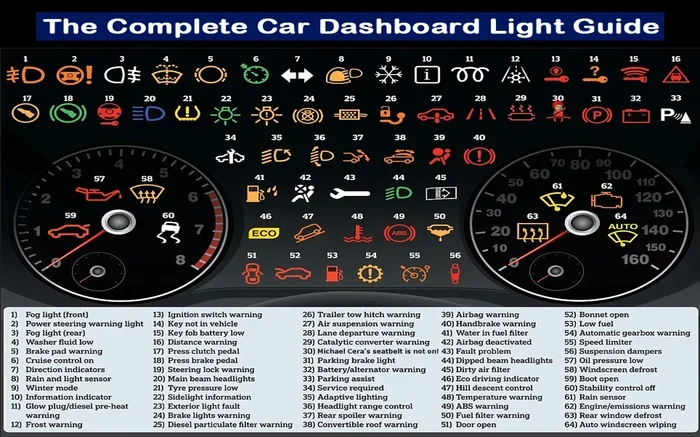
Look at your dashboard carefully. Are there other lights on besides the traction control warning? The ABS light, the check engine light, or the battery light can all provide clues about what is going wrong.
If multiple lights are on, the problem is likely shared among systems. A diagnostic scanner will help identify the root cause.
Step 4: Inspect the Wheel Speed Sensors
Pop the hood and visually inspect the areas around each wheel. Look for dirt, debris, or damage near the sensors. Sometimes a simple cleaning removes the problem. Wire connectors should be firm and free of corrosion.
Step 5: Check Brake Fluid
As mentioned earlier, low brake fluid can disable traction control. Locate the brake fluid reservoir and check the level. Top it off if needed and restart the car.
Step 6: Use a Diagnostic Scanner
If none of the above steps work, it is time to plug in a diagnostic scanner. These tools read error codes stored in your car’s computer. You can buy a basic scanner for under $50, or visit an auto parts store where they often scan for free.
Common codes related to traction control off include:
- C0034: Wheel speed sensor circuit malfunction.
- C0040: Left front wheel speed sensor issue.
- C1234: Traction control module communication error.
These codes point you in the right direction and help your mechanic diagnose the problem faster.
When to See a Mechanic
Not every traction control issue is a DIY fix. Some situations call for professional help. Here are clear signs that you should take your car to a mechanic.
The Warning Light Stays On After Basic Fixes
If you have checked the switch, restarted the car, and verified the brake fluid, but the traction control off message still appears, it is time for expert help. Persistent warnings usually point to deeper electrical or mechanical issues.
The ABS Light Is Also On
When both the ABS and traction control lights are on simultaneously, the problem is likely in a shared component. A mechanic can run a full diagnostic and pinpoint the exact fault quickly.
Your Car Feels Unstable
If you notice the car pulling to one side, vibrating, or feeling less stable than usual, do not ignore it. These are signs that the traction control system is not functioning, and you could be at risk on the road.
You Recently Had Work Done
If the warning appeared after a repair or service, something may have been disturbed during the work. A follow-up visit to the shop is warranted.
How to Prevent Traction Control Issues
Prevention is always better than repair. Here are simple habits that keep your traction control system working properly.
- Keep your sensors clean: During car washes, pay attention to the wheel area. Remove mud and debris that can buildup around the sensors.
- Check brake fluid regularly: Make it a habit to inspect brake fluid levels during routine maintenance checks.
- Address warning lights promptly: Do not ignore dashboard lights. The longer you wait, the worse the underlying problem can get.
- Use the right tires: Matching tire sizes and types across all four wheels helps the system read accurate data.
- Follow the maintenance schedule: Regular service keeps electrical connections tight and components in good shape.
These small habits go a long way. They help you avoid the traction control off message and keep your car safe on the road.
Quick Tips for Everyday Drivers
Here are a few extra tips to keep in mind:
- After a heavy rainstorm, check your sensors for water buildup.
- If you swap between summer and winter tires, the system may need a brief recalibration.
- Never ignore a traction control off message that appears randomly without you pressing the button.
- Keep a basic diagnostic scanner in your glove box. It can save you time and money at the repair shop.
Common Mistakes People Make When They See This Warning
When drivers see the traction control off message, they sometimes make mistakes that make things worse. Let us look at the most common ones.
Mistake 1: Ignoring it completely. Some people just keep driving and hope the message goes away. While it sometimes does, ignoring it means you are driving without a key safety feature. That is a risk you should not take.
Mistake 2: Assuming the car is broken beyond repair. A traction control warning is rarely a sign of total vehicle failure. Most causes are simple and affordable to fix.
Mistake 3: Resetting the light without fixing the cause. Clearing the warning light without addressing the underlying issue just hides the problem. It will come back, and the real fault may get worse over time.
Mistake 4: Driving on dangerous roads with the system off. This is perhaps the most dangerous mistake. If traction control is off due to a fault, you lose stability assistance. Avoid wet, icy, or uneven roads until the issue is resolved.
Traction Control Off Repair Cost
Wondering how much it costs to fix the traction control off issue? The answer depends on the cause. Here is a rough breakdown:
- Switch replacement: $50 to $150.
- Wheel speed sensor replacement: $100 to $300 per sensor.
- Traction control module replacement: $200 to $600.
- Brake fluid top-off: $10 to $30 if you do it yourself.
- Wiring repair: $50 to $200 depending on the extent of damage.
These are general estimates. Actual costs vary by vehicle model, location, and labor rates. Always get a quote before authorizing repairs.
Key Takeaways
Final Thoughts on Why Your Car Says Traction Control Off
Seeing the traction control off message on your dashboard can be unsettling. But now you know it is not always a sign of something serious. Most of the time, the cause is simple and fixable. Whether it is a tripped switch, a dirty sensor, or low brake fluid, you have the knowledge to start troubleshooting right away.
Remember to take this warning seriously, especially if it appears alongside other dashboard lights. Your traction control system is a vital part of your car’s safety features. Keeping it in good working order protects you, your passengers, and everyone else on the road.
Stay proactive with maintenance. Address warning lights quickly. And if you are ever unsure, a quick visit to a trusted mechanic can give you peace of mind. Your car is built to keep you safe, and the traction control system is one of the many ways it does that. Treat it well, and it will treat you well in return.
Frequently Asked Questions
Can I drive my car if it says traction control off?
Yes, you can drive short distances on dry roads, but it is not recommended for wet, icy, or uneven surfaces. The traction control system helps keep your car stable, and without it, you have a higher risk of losing control. Get the issue checked as soon as possible.
How do I turn my traction control back on?
Locate the traction control button in your car, usually found on the steering column or center console. Press it to turn the system back on. Restart the engine and the traction control off message should disappear. If it does not, further troubleshooting is needed.
What causes the traction control off light to come on randomly?
Random appearances often point to a faulty wheel speed sensor, a loose connector, or intermittent electrical issues. Water intrusion, dirt buildup, or worn wiring can also cause unpredictable warnings. A diagnostic scanner can help identify the exact cause.
Is traction control the same as stability control?
They are related but not the same. Traction control focuses on preventing wheel spin during acceleration. Stability control is broader and helps keep the car on its intended path during sharp turns or sudden maneuvers. Both systems share sensors and work together for overall vehicle stability.
How much does it cost to fix a traction control issue?
Costs range from $50 for a simple switch replacement to $600 for a traction control module. Wheel speed sensor fixes typically fall between $100 and $300. Brake fluid top-offs are very inexpensive. The exact cost depends on your vehicle and the root cause of the problem.
Can bad tires cause the traction control off message?
Yes, worn or mismatched tires can trigger the warning. Tires with uneven tread depths or different sizes change how the wheel speed sensors read rotation. This inaccurate data can cause the traction control system to disable itself. Always keep your tires properly matched and maintained.