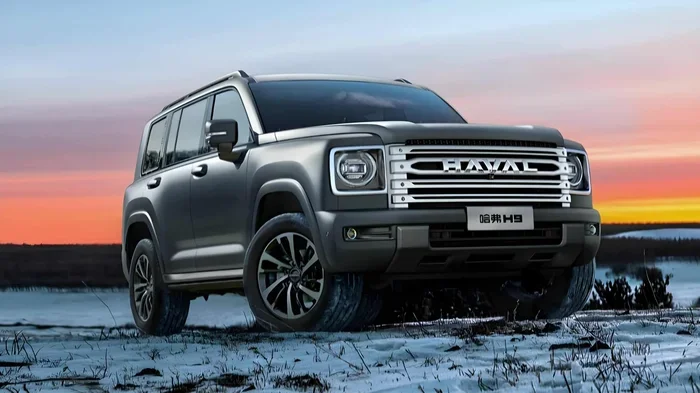
How Haval Handles Snow with Confidence on Winter Roads
Haval vehicles are built to tackle snow and icy roads with advanced drivetrain technology and smart driving features. Whether you drive a Haval H6 or Haval Jolion, understanding how your SUV performs in winter conditions can keep you safe and confident. This guide covers everything from snow driving modes to cold-weather maintenance tips that make a real difference.
Winter driving can feel scary. Roads get slick. Visibility drops. And your car needs to work harder just to keep up. But if you own a Haval SUV, you have a serious advantage. How Haval handles snow is something that sets these vehicles apart from the competition. With smart technology, strong drivetrains, and driver-focused features, Haval builds cars that face winter head-on. In this guide, we will break down exactly how these SUVs perform in snowy conditions. You will learn what makes them tick, what to watch for, and how to get the most out of your vehicle all season long.
Whether you live in a snowy region or just face occasional winter weather, knowing your car’s capabilities matters. A lot of drivers underestimate what their SUV can do. Others overestimate it and end up in trouble. The truth lies somewhere in between. Haval vehicles come packed with features designed for cold weather. But no car is magic. You still need to drive smart, maintain your vehicle, and respect the road conditions. This article gives you the full picture.
Key Takeaways
- Haval’s all-wheel drive systems deliver excellent traction on snow-covered roads, giving drivers confidence in icy conditions.
- Snow driving modes automatically adjust throttle and braking to prevent wheel slip and maintain stability.
- Proper winter tires and regular maintenance make a huge difference in how well your Haval handles snow.
- Cold weather affects fuel range, so planning trips and knowing how long a full tank lasts is smart winter driving practice.
- Haval’s stability control and traction systems work together to keep you safe when roads get slick.
- Pre-winter preparation including fluid checks and battery testing ensures your Haval is ready for the coldest months.
📑 Table of Contents
- How Haval Handles Snow: The Technology Behind Winter Confidence
- Winter Tires and Snow Performance: What Every Haval Owner Should Know
- How Cold Weather Affects Your Haval’s Performance
- Driving Tips for Snowy Conditions in a Haval
- Haval Snow Handling vs. Other Popular SUV Brands
- Preparing Your Haval for Winter: A Seasonal Checklist
- Common Mistakes Haval Owners Make in Snow
- Final Thoughts: Embracing Winter with Confidence
How Haval Handles Snow: The Technology Behind Winter Confidence
When we talk about Haval snow handling, we are really talking about a combination of smart engineering and driver-assist technology. Haval does not just throw random features at the problem. They engineer their SUVs specifically for real-world winter driving. The result is a driving experience that feels calm, controlled, and predictable even when the roads turn nasty.
Most modern Haval models come with all-wheel drive as standard or available. This is the foundation of their winter performance. AWD sends power to all four wheels at the same time. That means if one wheel starts to slip on ice, the other wheels can pick up the slack. It is a simple concept, but it makes a massive difference on snow-covered roads. You feel more stable. You feel more in control. And that confidence matters when you are driving through a winter storm.
Intelligent All-Wheel Drive Systems
Haval’s AWD systems are not one-size-fits-all. They use intelligent torque distribution. This means the system constantly monitors each wheel’s grip and adjusts power delivery in real time. If the front wheels start to slide, more power goes to the rear. If the right wheels lose traction, the left wheels get more torque. This happens so fast you barely notice. But the effect is huge. Your car stays planted. Your steering stays responsive. And you avoid those scary moments of sliding or fishtailing.
Some Haval models also feature electronic locking differentials. This is especially useful when you are stuck in deep snow. A locking diff forces both wheels on an axle to spin at the same speed. This helps you claw your way out of snowbanks and icy patches. It is one of the reasons how Haval handles snow earns top marks from drivers who live in cold climates.
Snow Driving Modes
Many Haval SUVs come with a dedicated snow driving mode. This feature changes how your vehicle responds to your inputs. When you activate snow mode, the throttle becomes softer. That means less sudden acceleration, which is the number one cause of wheel slip on ice. The transmission shifts earlier and at lower speeds. This keeps the engine in a comfortable range where it is less likely to overwhelm the tires.
Braking is also adjusted. The system applies brakes more gently and with more precision. This prevents the wheels from locking up and causing a skid. Some models even integrate this with their stability control system. The result is a driving experience that feels smoother and safer in slippery conditions. If your Haval has this feature, use it any time the roads look wet or snowy. It is one of the easiest ways to improve your winter driving safety.
Winter Tires and Snow Performance: What Every Haval Owner Should Know
Technology can only do so much. The tires underneath your Haval are the real connection between your car and the road. In winter, this connection matters more than anything else. Even the best AWD system in the world cannot help if your tires cannot grip the surface. This is why winter tires are essential for anyone who drives a Haval in snowy conditions.
All-season tires work okay in light snow. But they are a compromise. They are designed to handle many conditions, not excel in any single one. Winter tires use a different rubber compound that stays soft in freezing temperatures. Soft rubber grips the road better. The tread pattern is also different. It has more sipes, which are tiny grooves that bite into snow and channel away slush. The result is significantly better traction, shorter stopping distances, and more predictable handling.
Choosing the Right Winter Tires for Your Haval
Not all winter tires are the same. When shopping for tires for your Haval, consider a few key factors. First, check the tire size. Your owner’s manual lists the correct size. Second, look for the three-peak mountain snowflake symbol. This means the tire meets industry standards for snow performance. Third, consider whether you want studded or non-studded winter tires. Studded tires offer extra grip on pure ice. But they can be noisy and are not legal everywhere. Non-studded winter tires work great on most snow and are more versatile.
You should also think about whether you want dedicated winter wheels. Having a second set of wheels with winter tires already mounted saves time and money each season. You swap the whole wheel set instead of changing individual tires. Many Haval owners find this to be a smart convenience, especially if they also need to check how long a full tank of gas lasts during the cold months, since winter driving tends to reduce fuel efficiency.
Tire Pressure and Winter Safety
Cold weather affects tire pressure. For every 10-degree drop in temperature, tire pressure can drop by about one PSI. Underinflated tires have less contact with the road. That means less grip and longer stopping distances. Make it a habit to check your tire pressure at least once a month during winter. Keep your tires inflated to the pressure listed on the driver’s side door jamb. This simple step improves your Haval’s snow handling and keeps you safer on the road.
How Cold Weather Affects Your Haval’s Performance
Cold weather does more than make the roads slippery. It affects your vehicle’s systems, fluids, and overall performance. Understanding these effects helps you prepare and avoid surprises. Haval snow handling depends not just on what the car has, but on how well you maintain it for winter conditions.
Engine oil thickens in cold temperatures. Thick oil does not flow as quickly. This means your engine takes longer to warm up and may experience slightly reduced performance until it reaches operating temperature. Using the correct winter-grade oil, as specified in your owner’s manual, helps prevent this issue. Most Haval models recommend a 0W-20 or 5W-30 oil for cold weather. Check your manual or ask your dealer to be sure.
Battery Performance in Freezing Temperatures
Car batteries hate cold weather. At 32 degrees Fahrenheit, a battery loses about 35% of its cranking power. At 0 degrees, that number jumps to 60%. This is why winter is the worst time for battery failure. If your battery is more than three years old, have it tested before winter hits. A weak battery in a Haval SUV can leave you stranded on a cold morning. And nothing ruins a winter day faster than a car that will not start.
You can also take simple steps to protect your battery. Park in a garage if possible. Use a battery blanket or trickle charger if temperatures drop below freezing for extended periods. Keep your terminals clean and tight. These small efforts pay off big when the temperature plunges and you need your car to start reliably.
Fuel Efficiency and Range in Winter
Winter driving typically reduces fuel efficiency. Cold engines run less efficiently. Heaters and defrosters draw power. And in hybrid or plug-in Haval models, cold temperatures can reduce electric range significantly. If you are curious about how far your Haval can go on a full tank in winter, it is worth checking how long a full tank of gas lasts under normal conditions, then planning for reduced range during the coldest months.
The good news is that Haval’s efficient engines and hybrid options help offset some of these losses. But you should still plan longer trips with extra fuel in mind. Keep your tank at least half full in winter. This prevents fuel line freeze-up and gives you a safety margin if you get stuck or delayed.
Driving Tips for Snowy Conditions in a Haval
Having a capable Haval SUV is only half the battle. How you drive in snow matters just as much. Even the best Haval snow handling technology cannot overcome bad driving habits. Here are practical tips that will help you stay safe and confident when the roads get snowy.
Smooth and Gentle Inputs
The golden rule of winter driving is smoothness. Avoid sudden movements. Accelerate gently. Brake early and gradually. Turn the steering wheel smoothly. Every sudden input increases the chance of losing traction. When you are gentle, your Haval’s systems have time to work. The AWD system can distribute power. The stability control can correct small slides. The tires can maintain their grip. It all adds up to a safer, more predictable drive.
Increase Your Following Distance
Stopping distances increase dramatically on snow and ice. A road that would normally take 100 feet to stop on might take 300 feet or more when covered in snow. Increase your following distance to at least six seconds behind the vehicle ahead. This gives you more time to react and more room to brake safely. It is one of the simplest and most effective winter driving habits you can build.
Use Your Lights
Visibility goes down in snow. Other drivers need to see you. Turn on your headlights whenever it is snowing or when visibility is reduced. Use low beams in heavy snow, as high beams can reflect back and blind you. Make sure all your lights are clean and working before winter starts. A quick check once a month can prevent a dangerous situation on dark, snowy roads.
Know When to Stay Home
This might be the most important tip of all. No car, no matter how advanced, can drive safely in every condition. If a storm is severe, roads are not plowed, or visibility is near zero, the best choice is to stay home. Your Haval can handle a lot of snow. But it cannot handle black ice, whiteout conditions, or flooded roads. Use good judgment. Sometimes the smartest thing you can do is delay your trip until conditions improve.
Haval Snow Handling vs. Other Popular SUV Brands
How does Haval stack up against other SUVs when it comes to snow performance? This is a question many buyers ask before making a purchase. The answer depends on the specific models you compare, but Haval holds its own very well.
Haval’s AWD systems are competitive with offerings from Honda, Toyota, and Ford in the same price range. Where Haval really shines is in value. You often get more standard features for less money. Snow mode, electronic locking differentials, and advanced stability control may come standard on a Haval model that charges extra for these features on a competing brand. This makes Haval a compelling choice for buyers who want strong winter capability without a luxury price tag.
That said, no brand is perfect in every situation. Some premium brands offer more refined AWD systems. Some off-road-focused brands offer more ground clearance. But for the average driver facing regular winter weather, Haval delivers a well-rounded and capable package. If you are still deciding, it is worth test-driving a Haval in winter conditions before you commit. The experience speaks for itself.
Preparing Your Haval for Winter: A Seasonal Checklist
The best way to ensure your Haval handles snow well is to prepare it before winter arrives. A little prevention goes a long way. Here is a simple checklist you can follow each fall to make sure your SUV is ready for the cold months ahead.
Step 1: Check All Fluids
Start with your fluids. Engine oil should be at the correct grade for winter. Coolant should be at the right mix to prevent freezing. Washer fluid should be rated for low temperatures. Regular washer fluid will freeze in the reservoir and crack the container. Use winter-rated washer fluid instead. It is a small change that makes a big difference.
Step 2: Inspect Your Battery
Have your battery tested at a shop or auto parts store. Replace it if it shows signs of weakness. Clean the terminals and make sure the connections are tight. A healthy battery is your insurance against cold mornings and unexpected breakdowns.
Step 3: Install Winter Tires
If you live in an area with regular snowfall, winter tires are a must. Install them before the first snowstorm. Check the tread depth regularly. Replace tires when the tread gets worn down. Good tires are the single biggest factor in how well your Haval handles snow.
Step 4: Test Your Heating and Defrost Systems
Your heater and defroster are not just for comfort. They are safety features. A working defroster keeps your windshield clear. A working heater keeps you warm and alert. Test both systems before winter starts. If something is not working, get it fixed now, not during a snowstorm.
Step 5: Pack an Emergency Kit
Keep an emergency kit in your Haval throughout winter. Include a blanket, flashlight, ice scraper, small shovel, jumper cables, and some snacks. If you ever get stuck, this kit can make the difference between a minor inconvenience and a dangerous situation. It takes five minutes to put together and could save your life.
Common Mistakes Haval Owners Make in Snow
Even great vehicles can be misused. Haval owners sometimes make mistakes that reduce their SUV’s snow performance or put them at risk. Here are the most common errors and how to avoid them.
- Using all-season tires in heavy snow: All-season tires work in light snow but struggle in deeper accumulations. Switch to winter tires for the best results.
- Neglecting tire pressure checks: Cold weather reduces tire pressure. Underinflated tires lose grip. Check your pressure monthly.
- Relying only on AWD: AWD helps you accelerate. But it does not help you brake or turn. Winter tires and smart driving habits matter just as much.
- Ignoring warning lights: If your stability control or traction control light comes on, pay attention. These systems are working to keep you safe. Do not disable them.
- Warming up the car too long: Modern Haval engines do not need long warm-up periods. Driving gently for the first few minutes is the best way to warm up the engine and transmission.
Avoiding these mistakes keeps your Haval running at its best all winter. It also keeps you and your passengers safer on the road.
Final Thoughts: Embracing Winter with Confidence
Winter does not have to be stressful. With the right vehicle and the right knowledge, you can face snowy roads with real confidence. How Haval handles snow is a topic that comes up again and again for good reason. These SUVs are engineered, tested, and built to perform when the weather turns nasty. From intelligent AWD systems to snow driving modes, from proper tire choices to seasonal maintenance, every piece of the puzzle contributes to a safer winter driving experience.
Your Haval is a capable machine. But it is also a machine that needs your help. Maintain it properly. Drive it wisely. Respect the conditions. Do these things, and you will find that winter driving becomes something you can handle with ease. You will feel confident every time you turn the key on a cold morning. And that confidence is worth more than any feature list or spec sheet.
If you are considering a Haval for your next vehicle, do your research. Test drive one in winter if you can. Talk to current owners. Read reviews. The more you know, the better equipped you will be to make a smart choice. And once you have your Haval, take care of it. Keep it maintained. Keep it prepared. Your SUV will take care of you in return, no matter how much snow falls.
Winter roads can be challenging. But with a Haval by your side and the knowledge in this guide, you are ready for whatever the season throws your way. Drive safe. Drive smart. And enjoy the ride, even when the snow is flying.
Frequently Asked Questions
Does Haval have a snow driving mode?
Yes, many Haval models come with a dedicated snow driving mode. This mode adjusts throttle response, transmission shifting, and braking to help you maintain control on slippery surfaces. Check your specific model’s features to confirm availability.
Are Haval SUVs good in heavy snow?
Haval SUVs perform well in heavy snow thanks to their all-wheel drive systems and stability control. For the best results, pair your Haval with winter tires and practice smooth driving techniques. These steps dramatically improve performance in deep snow.
What type of tires should I use on my Haval in winter?
Dedicated winter tires are the best choice for Haval owners in snowy climates. Look for tires with the three-peak mountain snowflake symbol. These tires use a soft rubber compound and special tread patterns that grip snow and ice far better than all-season tires.
How cold is too cold for a Haval to start?
Modern Haval vehicles are designed to start in extremely cold temperatures, often down to negative 20 degrees Fahrenheit or lower. However, battery health plays a big role. Have your battery tested before winter to ensure it can handle the coldest days.
Does cold weather reduce the range of a Haval hybrid?
Yes, cold weather can reduce the electric range of hybrid Haval models. Batteries are less efficient in freezing temperatures. Plan for reduced range and keep your tank at least half full for added peace of mind during winter trips.
How often should I service my Haval before winter?
A pre-winter service check is ideal. This should include an oil change, battery test, tire inspection, and fluid top-off. Doing this in late fall ensures your Haval is fully prepared for the winter driving season ahead.