How Much Do BMW Brake Pads Cost The Full Breakdown
BMW brake pad costs typically range from $150 to $450 per axle, depending on pad type, model, and whether you choose OEM or aftermarket parts. Brake pad replacement is one of the most common BMW maintenance tasks, and understanding the full cost breakdown helps you budget wisely. This guide covers every factor that influences the BMW brake pad price, from materials to labor charges.
Owning a BMW comes with a lot of perks. Smooth rides, powerful engines, and sharp handling top the list. But maintenance costs can sneak up on you. One of the most common expenses BMW owners face is brake pad replacement. If you have ever wondered about the BMW brake pads cost, you are in the right place.
This guide breaks down everything you need to know. We will cover pad types, average prices, labor costs, and tips to save money. Whether you drive a BMW 3 Series or an X5, this article has you covered. Let us dive in and get you the full picture.
Key Takeaways
- Average Cost Range: BMW brake pads cost between $150 and $450 per axle, including parts and labor.
- OEM vs Aftermarket: OEM pads cost more but offer better fit and feel for your BMW.
- Ceramic Pads: These are quieter and cleaner but tend to cost more than semi-metallic options.
- Labor Adds Up: Professional installation typically adds $100 to $200 per axle to the total cost.
- DIY Saves Money: Replacing brake pads yourself can cut costs by 50% or more.
- Brake Rotors Matter: Worn rotors add to the total bill if they need resurfacing or replacement.
- Regular Maintenance: Proper driving habits and routine checks extend brake pad life significantly.
📑 Table of Contents
- Understanding BMW Brake Pad Types
- Average BMW Brake Pad Cost Breakdown
- Factors That Affect BMW Brake Pad Cost
- DIY vs Professional Brake Pad Replacement
- How to Know When Your BMW Brake Pads Need Replacement
- Tips to Make Your BMW Brake Pads Last Longer
- How to Save Money on BMW Brake Pad Replacement
- Common Brake Pad Replacement Mistakes to Avoid
- BMW Brake Pad Replacement: What the Experts Say
- Final Thoughts on BMW Brake Pad Cost
Understanding BMW Brake Pad Types
Not all brake pads are the same. BMWs use different pad materials, and each one affects performance, noise, and cost. Knowing your options helps you make a smart choice when it is time for brake pad replacement.
OEM Brake Pads
OEM stands for Original Equipment Manufacturer. These are the exact pads your BMW came with from the factory. They are designed specifically for your model and driving feel. OEM brake pads tend to cost more, but they offer consistent performance and reliable stopping power.
Most BMW owners prefer OEM pads because they match the factory specifications perfectly. If you want your BMW to feel exactly as it did when you drove it off the lot, OEM is the way to go.
Aftermarket Brake Pads
Aftermarket pads are made by third-party manufacturers. Brands like Brembo, Akebono, and Wagner produce high-quality alternatives. Aftermarket brake pads often cost less than OEM options. Some aftermarket pads even offer improved performance over factory pads.
However, not all aftermarket pads are created equal. Cheap options may wear out faster or cause noise. Always choose reputable brands when going the aftermarket route.
Ceramic vs Semi-Metallic Brake Pads
Brake pad material is a big deal. Here is a quick look at the two main types:
- Ceramic Brake Pads: These pads use ceramic fibers and other non-metallic materials. They are quiet, produce less dust, and are gentle on rotors. Ceramic brake pads cost more but last longer.
- Semi-Metallic Brake Pads: These contain a mix of metal and friction materials. They offer strong stopping power and work well in all weather conditions. Semi-metallic pads are more affordable but can be noisier.
Most BMWs come with semi-metallic pads from the factory. Ceramic upgrades are a popular choice for owners who want a quieter, cleaner ride.
Average BMW Brake Pad Cost Breakdown
The BMW brake pad price varies based on several factors. Let us look at the numbers so you know what to expect.
Cost by Pad Material
Here is a general idea of what different pad materials cost for a typical BMW:
- OEM Semi-Metallic Pads: $80 to $150 per axle (parts only)
- OEM Ceramic Pads: $100 to $180 per axle (parts only)
- Aftermarket Semi-Metallic Pads: $50 to $120 per axle (parts only)
- Aftermarket Ceramic Pads: $70 to $150 per axle (parts only)
These prices cover parts only. Labor costs are separate and will add to your total bill.
Cost by BMW Model
Different BMW models use different brake pad sizes. Larger vehicles need bigger pads, which can cost more. Here is a rough comparison:
- BMW 3 Series: $150 to $300 per axle (parts and labor)
- BMW 5 Series: $175 to $350 per axle (parts and labor)
- BMW X3: $200 to $400 per axle (parts and labor)
- BMW X5: $225 to $450 per axle (parts and labor)
Keep in mind these are estimates. Your actual cost depends on your location, the shop you visit, and the pad type you choose. For more information on common BMW maintenance costs, check out our guide on when Toyotas start having problems for a broader look at vehicle maintenance timelines.
Factors That Affect BMW Brake Pad Cost
Several things influence how much you will pay for brake pad replacement. Understanding these factors helps you budget and avoid surprises.
Labor Costs for Brake Pad Replacement
Labor is a big part of the total cost. Most shops charge between $100 and $200 per axle for brake pad replacement. The job typically takes one to two hours per axle.
Labor rates vary by location. Shops in big cities often charge more than rural garages. Dealerships also tend to have higher labor rates than independent mechanics. Always ask for a detailed quote before agreeing to any work.
Brake Rotor Condition
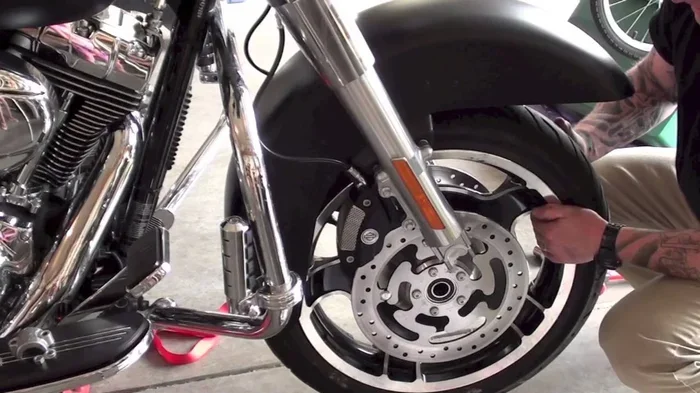
Your brake rotors play a big role in the overall cost. If your rotors are warped or worn, they may need resurfacing or replacement. Rotor resurfacing costs around $20 to $50 per rotor. New rotors can add $100 to $300 per axle to the bill.
Some shops include rotor inspection in the brake pad replacement service. Others may upsell you on new rotors. It is wise to get a second opinion if you are quoted for new rotors.
Where You Get the Work Done
The location you choose affects the price significantly:
- BMW Dealership: Highest cost but uses genuine BMW parts and trained technicians
- Independent BMW Specialist: Lower cost with specialized knowledge of BMWs
- General Auto Shop: Most affordable option but may not have BMW-specific tools
- DIY: Cheapest option if you have the skills and tools
Each option has its pros and cons. Dealerships offer peace of mind but at a premium price. Independent shops often provide the best balance of cost and expertise.
DIY vs Professional Brake Pad Replacement
Can you replace BMW brake pads yourself? Yes, you can. Many BMW owners handle this job at home. It is one of the more straightforward DIY brake maintenance tasks.
What You Need for DIY Replacement
Here is what you will need to replace your own brake pads:
- New brake pads (OEM or aftermarket)
- Jack and jack stands or a lift
- Lug wrench
- C-clamp or brake caliper tool
- Brake cleaner spray
- Anti-seize lubricant
- Basic socket set
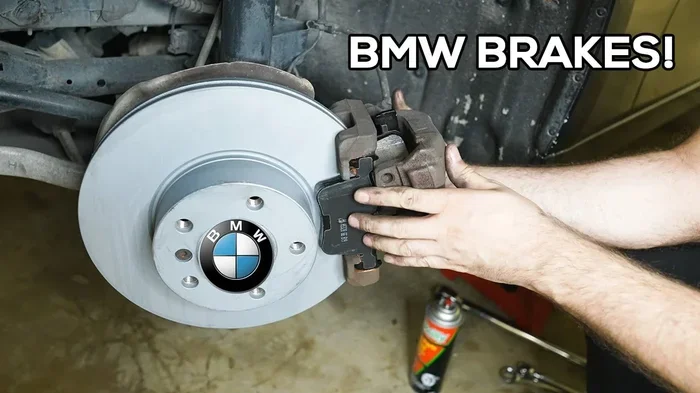
The process involves removing the wheel, sliding out the caliper, replacing the old pads, and reassembling everything. It takes about one hour per axle for most people. If you have never done it before, watch a few tutorials first.
Keep in mind that DIY brake work requires confidence and attention to safety. If you feel unsure, it is always better to let a professional handle it. Also, remember that replacing a brake light bulb is another simple DIY task you can handle at home. Check out our guide on replacing a brake light bulb yourself for more easy DIY tips.
When to Call a Professional
Some situations call for a professional touch. If your brake pads are completely worn down to the metal, you may have damaged the rotors. Deep grooves or warping on the rotors mean professional machining or replacement is needed.
Also, if your BMW has advanced brake systems like regenerative braking or automatic emergency braking, a dealer or specialist may be required. These systems need specialized diagnostic tools to reset properly after pad replacement.
How to Know When Your BMW Brake Pads Need Replacement
Catching worn brake pads early saves you money and keeps you safe. BMWs have built-in warning systems, but you should also watch for these signs:
Brake Pad Wear Indicators
Most BMWs have a wear indicator that makes a high-pitched squealing sound when pads are thin. This is your first warning sign. Do not ignore it. The sound means the pad material is almost gone.
Other Warning Signs
- Grinding Noise: A grinding sound when braking means the pads are completely worn. Metal is grinding against metal. Stop driving and get new pads immediately.
- Longer Braking Distances: If your BMW takes longer to stop, the pads may be worn.
- Brake Pedal Vibration: A vibrating pedal often signals warped rotors or uneven pad wear.
- Brake Warning Light: If the dashboard brake light comes on, check your pads right away.
- Visual Inspection: Look through the wheel spokes. If the pad material is less than a quarter inch thick, it is time for replacement.
Regular inspection helps you catch problems early. Most BMW brake pads last between 30,000 and 70,000 miles depending on driving habits and pad type.
Tips to Make Your BMW Brake Pads Last Longer
You do not have to replace your brake pads often if you take good care of them. Here are some proven tips:
Drive Smoothly
Hard braking wears pads out fast. Try to anticipate stops and ease off the gas early. Smooth driving reduces the strain on your brake system.
Avoid Riding the Brakes
Resting your foot on the brake pedal while driving causes constant, light contact. This creates heat and wears pads unevenly. Keep your foot off the brake unless you are actually stopping.
Maintain Your Braking System
Regular brake fluid flushes and inspections keep everything working properly. Fresh brake fluid absorbs moisture less readily, which helps your brakes perform at their best. Also, if you are doing other fluid maintenance, you might wonder about things like whether you need to leave the car running when adding transmission fluid. Our guide on adding transmission fluid covers these car maintenance questions in detail.
Choose the Right Pads
Not all brake pads suit every driver. If you drive mostly in the city with lots of stop-and-go traffic, ceramic pads are a great choice. They handle heat well and last longer. If you drive on highways more often, semi-metallic pads offer excellent durability.
For a broader look at how driving habits affect vehicle longevity, check out our article on how long a full tank of gas lasts for more practical car care insights.
How to Save Money on BMW Brake Pad Replacement
Brake pad replacement does not have to break the bank. Here are some smart ways to save:
Buy Pads in Advance
Purchase your brake pads before you need the work done. This gives you time to compare prices and find the best deal. Online retailers often offer lower prices than local auto parts stores.
Get Multiple Quotes
Always get at least three quotes before committing to a shop. Prices can vary significantly between dealerships, independent shops, and general garages. Shopping around can save you hundreds of dollars.
Consider Aftermarket Pads
High-quality aftermarket pads can save you 30 to 50 percent compared to OEM options. Just make sure you choose a trusted brand. Cheap no-name pads may cost less upfront but wear out faster, costing you more in the long run.
Do It Yourself
If you are handy and have the right tools, DIY replacement is the ultimate money saver. You only pay for the parts, which cuts the total cost in half or more. Just make sure you follow proper safety procedures.
Watch for Maintenance Specials
Many shops and dealerships offer seasonal or promotional brake service deals. Signing up for email updates from your favorite shops can help you catch these savings opportunities.
Common Brake Pad Replacement Mistakes to Avoid
Even with the best intentions, mistakes happen during brake pad replacement. Here are common errors to watch out for:
- Skipping Rotor Inspection: Always check your rotors when replacing pads. New pads on bad rotors lead to poor braking and noise.
- Forgetting to Lubricate: Apply anti-seize to the caliper slides and hardware. This prevents squeaking and ensures smooth operation.
- Not Bedding In New Pads: After installation, perform a few gentle braking cycles to seat the pads properly. This maximizes contact and stopping power.
- Using the Wrong Pad Type: Always match your pad material to your driving needs. Wrong pads can cause noise, dust, or premature wear.
- Ignoring the Wear Sensor: Replace the wear sensor if it is worn out. A faulty sensor will not warn you when new pads are needed.
Avoiding these mistakes keeps your braking system working at its best and saves you from repeat trips to the shop.
BMW Brake Pad Replacement: What the Experts Say
Automotive experts generally recommend replacing brake pads every 30,000 to 50,000 miles for most BMWs. However, this range varies widely based on driving style, road conditions, and pad material.
BMW technicians often note that city drivers tend to wear pads faster than highway drivers. Stop-and-go traffic puts more stress on the braking system. If you live in a hilly area, you may also find yourself replacing pads more frequently.
Experts also emphasize the importance of using quality parts. Cutting corners on brake pads is never worth the risk. Your brakes are the most important safety feature on your car. Always invest in reliable pads and professional installation if you are not confident in your DIY skills.
For those who want to compare car maintenance costs across different vehicles, our article on how long it takes for a hybrid to pay for itself offers valuable insights into long-term ownership costs that include maintenance factors.
Final Thoughts on BMW Brake Pad Cost
The BMW brake pads cost can range from $150 to $450 per axle, depending on your choices. Your decision between OEM and aftermarket, ceramic and semi-metallic, and DIY versus professional installation all shape the final price.
The good news is that brake pad replacement is a routine maintenance task. It is predictable, manageable, and something you can plan for. With the right information, you can make confident decisions about your BMW’s braking system without overspending.
Stay on top of your brake pad condition. Listen to your car. Address warning signs early. And remember, the cost of new brake pads is a small price to pay for the safety and performance your BMW delivers every time you hit the road.
Frequently Asked Questions
How often should I replace my BMW brake pads?
Most BMW brake pads last between 30,000 and 70,000 miles. City driving and aggressive habits shorten this range. Check your pads regularly and replace them when the material drops below a quarter inch thick.
Are OEM brake pads worth the extra cost?
Yes, OEM pads are designed specifically for your BMW model. They offer consistent performance, proper fitment, and reliable stopping power. If you want your BMW to perform exactly as it did from the factory, OEM pads are the best choice.
Can I drive with worn brake pads?
You should not drive with worn brake pads. Worn pads reduce stopping power and can damage your rotors. Driving on completely worn pads is dangerous and leads to much more expensive repairs.
How much does it cost to replace all four BMW brake pads?
Replacing all four brake pads typically costs between $300 and $900 total. This includes parts and labor. The exact price depends on your BMW model, pad type, and where you get the work done.
Do I need to replace brake rotors when I replace brake pads?
Not always. If your rotors are still in good condition, you can just replace the pads. However, if the rotors are warped, grooved, or too thin, they should be resurfaced or replaced at the same time for best results.
What is the cheapest way to replace BMW brake pads?
DIY replacement is the cheapest option. You only pay for the parts, which can be as low as $50 to $120 per axle for aftermarket pads. Just make sure you have the right tools and feel confident in your ability to do the job safely.
=== CONCLUSION ===
The BMW brake pads cost is something every BMW owner should understand. From pad material to labor rates, many factors influence the final price. By knowing what to expect, you can budget confidently and avoid surprise bills.
Whether you choose OEM or aftermarket, ceramic or semi-metallic, the key is to act when your pads show signs of wear. Regular maintenance and smart driving habits keep your brakes performing at their best for years to come. Take care of your BMW, and it will take care of you on every drive.