How Much Does It Cost to Fix a Coolant Leak on a BMW
Fixing a coolant leak on a BMW typically costs between $150 and $1,500, depending on the leak source, BMW model, and labor rates. Small hose or gasket replacements run $150–$400, while major repairs like a water pump or head gasket can hit $1,000–$1,500 or more. Early detection saves hundreds and keeps your BMW running safely on the road.
This is a comprehensive guide about How Much Does It Cost to Fix a Coolant Leak on a BMW?.
Key Takeaways
- Average cost range: Most BMW coolant leak repairs fall between $150 and $1,500 depending on severity.
- Small fixes are affordable: Replacing a hose, gasket, or reservoir cap often costs under $400.
- Major repairs are expensive: Water pump or head gasket jobs can exceed $1,000 due to labor intensity.
- BMW model matters: Larger luxury BMWs like the 7 Series cost more to repair than compact models like the 3 Series.
- DIY is possible for simple leaks: Replacing a hose or cap can save you $100–$200 in labor costs.
- Ignoring leaks is dangerous: Low coolant leads to overheating, which can cause catastrophic engine damage.
- Check warranty coverage: Some BMW coolant system repairs may be covered under extended warranty or maintenance plans.
[FEATURED_IMAGE_PLACEHOLDER]
Nothing sends a chill down a BMW owner’s spine quite like spotting a green or pink puddle under the car. A coolant leak is one of those problems that demands attention fast. If you have been Googling “how much does it cost to fix a coolant leak on a BMW,” you are in the right place.
This guide breaks down every cost factor so you know exactly what to expect. We cover BMW coolant leak repair costs by leak type, BMW model, and whether you should try a DIY fix or visit a shop. By the end, you will have a clear picture of what this repair will cost your wallet and your peace of mind.
What Causes a Coolant Leak on a BMW?
Before we talk about BMW repair costs, let us understand what is actually leaking. BMW vehicles use an engine cooling system that circulates coolant through the engine block, radiator, hoses, and water pump. Over time, components wear out and develop leaks. Here are the most common culprits.
Worn Coolant Hoses
BMW coolant hoses carry fluid between the engine and radiator. These rubber hoses crack and swell over time, especially in cold weather or high-mileage vehicles. A cracked hose is one of the easiest and cheapest leaks to fix.
Faulty Water Pump
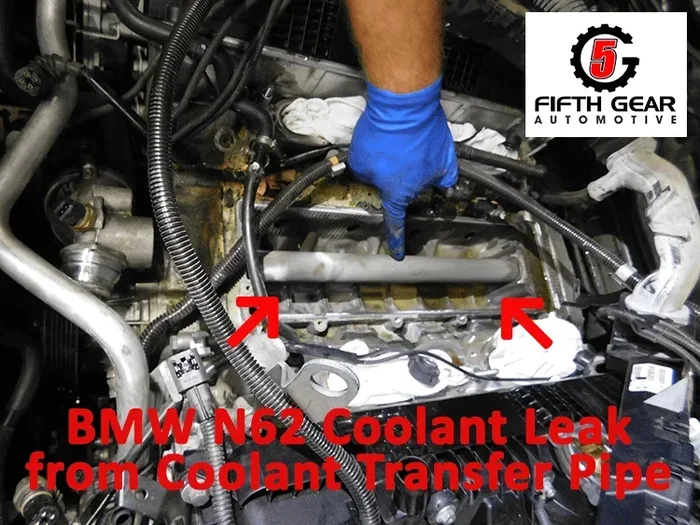
The water pump keeps coolant flowing through the engine. BMW water pumps can develop leaks at the shaft seal. This is a more serious issue that requires professional repair and a higher price tag.
Leaking Radiator
BMW radiators can corrode or develop pinhole leaks. Rock damage and age are common causes. A damaged radiator means coolant loss and potential engine overheating if not addressed quickly.
Failed Head Gasket
This is the worst-case scenario. A blown head gasket allows coolant to seep into the engine cylinders or oil passages. Head gasket repair is one of the most expensive BMW repairs, often exceeding $1,000.
Loose or Damaged Reservoir Cap
The coolant reservoir cap maintains system pressure. A worn cap can cause slow leaks that are easy to miss. This is the cheapest fix on our list and often overlooked.
Cracked Coolant Reservoir
The plastic coolant reservoir can crack due to heat exposure or age. This causes a slow drip that may not be visible right away but leads to low coolant levels over time.
BMW Coolant Leak Repair Cost Breakdown
Now for the big question: how much does it cost to fix a coolant leak on a BMW? The answer depends heavily on what is leaking and which BMW model you drive. Below is a detailed breakdown by repair type.
Coolant Hose Replacement: $150–$400
Replacing a single coolant hose is one of the most affordable BMW cooling system repairs. Parts typically cost $30–$80, and labor runs $120–$320 depending on the hose location. Some BMW models have tight engine bays that make hose access harder, pushing labor costs higher.
Radiator Repair or Replacement: $300–$900
A small radiator leak can sometimes be repaired with a sealant, costing around $100–$200. However, full radiator replacement is more common for BMWs. Parts range from $200–$600, and labor adds $150–$400. Luxury BMW models with larger radiators cost more to replace.
Water Pump Replacement: $500–$1,200
The water pump is a critical component, and replacing it on a BMW requires significant labor. Parts cost $150–$400, but labor can run $350–$800 because of the pump’s location in the engine bay. BMW models with rear-mounted water pumps are especially expensive to service.
Head Gasket Replacement: $1,000–$2,500+
A blown head gasket is the most expensive coolant leak repair. This job requires removing the cylinder head, replacing the gasket, and reassembling the engine. Labor alone can exceed $1,500 on some BMW models. Ignoring this leak can lead to total engine failure, making the cost even higher.
Coolant Reservoir Replacement: $100–$300
Replacing a cracked coolant reservoir is straightforward and affordable. The part costs $40–$120, and labor is minimal at $60–$180. This is one of the few BMW coolant repairs you can handle yourself if you are handy.
Reservoir Cap Replacement: $20–$60
A worn coolant reservoir cap is the simplest and cheapest fix. The cap itself costs $10–$30, and many shops will install it for free or a small fee. Do not underestimate this small part — a bad cap causes slow pressure loss and coolant evaporation.
BMW Model Cost Comparison
Not all BMWs are created equal when it comes to repair costs. Larger luxury models have bigger engines, more complex cooling systems, and higher labor rates. Here is a comparison table showing average coolant leak repair costs by popular BMW model.
- BMW 3 Series: $150–$800 for most common leaks. Compact size makes engine access easier and labor faster.
- BMW 5 Series: $200–$1,000. Larger engine bay means slightly higher labor costs for hose and pump replacements.
- BMW X3/X5: $250–$1,200. SUV models have higher ride height and more complex cooling systems.
- BMW 7 Series: $300–$1,500+. Full-size luxury models have the highest parts and labor costs.
- BMW M Series: $400–$2,000+. High-performance engines with tighter tolerances increase repair complexity.
As you can see, BMW model plays a big role in determining your final bill. Always get a quote specific to your vehicle before committing to any repair.
DIY vs. Professional Repair: Which Saves More?
Many BMW owners wonder if they should tackle a coolant leak repair themselves. The answer depends on the type of leak and your mechanical skill level.
Repairs You Can DIY
Replacing a coolant reservoir cap, a simple hose, or the coolant reservoir are beginner-friendly fixes. You will need basic tools, a drain pan, and the correct replacement part. DIY savings range from $100–$200 in labor costs.
Repairs Best Left to Pros
Water pump replacement, radiator work, and head gasket repairs require specialized tools and deep mechanical knowledge. BMW engines are complex, and a mistake during these repairs can cause serious damage. Professional repair ensures the job is done right and safely.
Cost Comparison Table
Here is a quick look at how DIY savings compare to professional repair costs for common BMW coolant leak fixes.
- Hose replacement: DIY saves $120–$200 in labor
- Reservoir cap: DIY saves $30–$60
- Coolant reservoir: DIY saves $60–$120
- Water pump: DIY not recommended — risk of engine damage
- Head gasket: Professional only — extremely complex repair
Pro tip: Even if you handle a simple DIY fix, have a professional inspect the cooling system afterward. BMW coolant system maintenance is critical for long engine life.
Signs Your BMW Has a Coolant Leak
Catching a coolant leak early saves you money and prevents engine overheating. Here are the warning signs every BMW owner should know.
- Puddle under the car: Green, pink, or orange fluid on your driveway is a clear sign of coolant leakage.
- Low coolant warning light: The dashboard indicator means your BMW coolant level has dropped below safe levels.
- Overheating gauge: If the temperature gauge climbs into the red zone, pull over immediately and check coolant levels.
- Sweet smell: Coolant has a distinct sweet odor. If you smell something sweet near the engine, inspect for leaks.
- Steam from the hood: Visible steam means coolant is leaking onto hot engine components. Stop driving and call for help.
- Frequent top-offs: If you are adding coolant every week, you have a slow leak that needs professional diagnosis.
Important: Driving with low coolant can cause severe engine damage. If you notice any of these signs, address the issue promptly. Ignoring a small leak today can lead to a blown engine tomorrow.
How to Prevent Future Coolant Leaks on Your BMW
Prevention is always cheaper than repair. Follow these BMW maintenance tips to keep your cooling system in top shape.
Regular Coolant Flushes
BMW recommends flushing and replacing coolant every 30,000–60,000 miles. Old coolant loses its protective properties and can cause internal corrosion that leads to leaks.
Inspect Hoses and Connections
During routine oil changes or BMW service visits, ask your mechanic to inspect coolant hoses and connections. Catching a cracked hose early prevents a full-blown leak.
Use OEM or High-Quality Coolant
BMW engines require specific coolant formulations. Using cheap or wrong coolant can damage seals and gaskets. Stick with BMW-approved coolant or high-quality equivalents.
Monitor Coolant Levels Monthly
Make it a habit to check your coolant reservoir monthly. A quick visual check can catch slow leaks before they become expensive problems.
Address Overheating Immediately
If your BMW ever overheats, do not ignore it. Even a single overheat event can warp engine components and weaken gaskets. Cooling system repair after an overheat is far cheaper than engine replacement.
Does Car Insurance Cover Coolant Leak Repairs?
Many BMW owners wonder if their car insurance policy covers cooling system repairs. The short answer is: usually no. Standard auto insurance covers accidents and theft, not mechanical breakdowns. However, if a coolant leak causes an accident, collision coverage may apply.
Some BMW owners have extended warranty or maintenance plans that cover cooling system repairs. Check your BMW warranty documents or ask your dealer. If you have gap insurance on a used car, note that gap insurance does not cover mechanical repairs — it only covers the difference between your loan balance and the car’s value.
For older BMWs without warranty coverage, consider a third-party extended warranty. These plans can offset the cost of unexpected cooling system repairs and give you peace of mind.
Conclusion
So, how much does it cost to fix a coolant leak on a BMW? The answer ranges from as little as $20 for a reservoir cap to over $2,500 for a head gasket replacement. Most common leaks fall in the $150–$1,000 range, making early detection and prompt repair essential for your budget.
BMW coolant leak repair costs depend on the leak source, your specific model, and whether you choose a shop or DIY approach. The best strategy is simple: catch leaks early, maintain your cooling system regularly, and never ignore warning signs like low coolant or overheating.
Your BMW is a precision machine that deserves proper care. Understanding cooling system repair costs empowers you to make smart decisions and keep your car running beautifully for years to come. Take action today — your engine will thank you tomorrow.
Can a Dirty Air Filter Cause a Car to Overheat?
Yes, a clogged air filter restricts airflow to the engine, which can cause overheating. While it does not directly cause a coolant leak, reduced airflow puts extra stress on the cooling system and can worsen existing cooling problems.
Can a Bad Catalytic Converter Cause a Car to Overheat?
A failing catalytic converter can restrict exhaust flow and cause the engine to run hotter than normal. This added heat can worsen BMW cooling system issues and potentially contribute to coolant loss over time.
Does Car Insurance Cover a Blown Engine?
Standard car insurance does not cover mechanical failures like a blown engine. However, if the engine damage results from an accident, collision coverage may apply. Mechanical breakdown insurance is a separate policy that covers this type of repair.
How Long Does a Full Tank of Gas Last?
Gas mileage varies by BMW model and driving habits. A full tank typically lasts 300–500 miles depending on the engine size and whether you drive a BMW hybrid or gasoline model. Keeping your tank full also helps prevent moisture buildup in the fuel system.
Can You Get Gap Insurance on a Used Car?
Yes, you can often get gap insurance on a used car, though availability depends on the lender and the vehicle’s age and value. Gap insurance is most useful when you still owe more on your loan than the car is worth, regardless of whether the car is new or pre-owned.
How Many Car Payments Can You Miss Before Repossession?
Most lenders consider a loan in default after two to three missed payments, but repossession timelines vary. Always communicate with your lender if you are struggling to make payments, as many offer hardship programs to help you avoid repossession.
Frequently Asked Questions
What is How Much Does It Cost to Fix a Coolant Leak on a BMW??
How Much Does It Cost to Fix a Coolant Leak on a BMW? is an important topic with many practical applications.