How Fast Can a Hyundai Elantra Go and Why It Matters
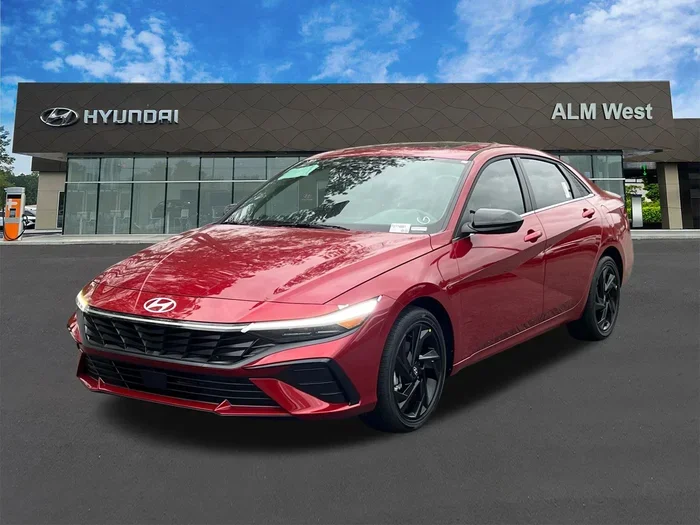
The Hyundai Elantra is a compact sedan that delivers impressive speed and acceleration for its class. Depending on the trim and engine, the Elantra can reach top speeds around 130 to 140 mph and hit 0 to 60 mph in as little as 6.4 seconds. Understanding the Elantra’s performance helps buyers make informed decisions about daily commuting, highway driving, and overall driving enjoyment.
The Hyundai Elantra has been a staple in the compact sedan world for decades. It sits in that sweet spot where affordability meets style. But one question buyers always ask: how fast can a Hyundai Elantra go? The answer might surprise you.
Speed matters for more than just bragging rights. Whether you commute on highways, merge onto busy interstates, or simply enjoy the feeling of a responsive engine, the Elantra delivers. Understanding the Elantra’s speed and acceleration helps you choose the right trim and set realistic expectations.
In this article, we break down every aspect of the Elantra’s performance. From engine specs to real-world driving feel, we cover it all. You will learn about each trim level’s capabilities and what makes the Elantra stand out in the crowded compact sedan market.
Key Takeaways
- The Elantra offers strong acceleration: The turbocharged engine in the N Line and ELantra N trims delivers thrilling 0 to 60 mph times.
- Top speed varies by trim: Base models top out around 130 mph, while sportier trims push closer to 140 mph.
- Fuel efficiency pairs with performance: The Elantra balances speed with excellent gas mileage, especially in hybrid form.
- Hybrid versions add efficiency: The Elantra Hybrid combines a satisfying driving pace with outstanding fuel economy.
- Engine options matter: The naturally aspirated 2.0L engine differs significantly from the 1.6L turbo in performance feel.
- Real-world speed differs from specs: Conditions like traffic, terrain, and weather affect actual top speed.
- The Elantra holds its value: Strong performance contributes to long-term resale and ownership satisfaction.
📑 Table of Contents
- Hyundai Elantra Speed Specs By Trim Level
- How the Elantra’s Engine Affects Speed
- Acceleration and Real-World Driving Feel
- Hyundai Elantra Hybrid: Speed Meets Efficiency
- Why Elantra Speed Matters for Buyers
- Common Mistakes That Affect Elantra Speed
- Expert Insights on the Elantra’s Performance
- How the Elantra Compares to Competitors
- Maximizing Your Elantra’s Speed Potential
- Final Thoughts
Hyundai Elantra Speed Specs By Trim Level
Every Elantra trim comes with its own performance profile. The base SE model offers a balance of economy and adequate power. The N Line and ELantra N trims take speed and handling to another level entirely. Let us walk through each one.
Base SE: Reliable and Capable
The standard Elantra SE uses a 2.0-liter naturally aspirated engine. This engine produces about 147 horsepower and 132 pound-feet of torque. It sends power to the front wheels through a 6-speed automatic or 7-speed dual-clutch transmission.
The SE reaches a top speed of around 130 mph. The 0 to 60 mph sprint takes roughly 8.5 seconds. These numbers are perfectly fine for daily driving. You will have no trouble merging onto highways or passing slower vehicles. The SE proves that you do not need a powerhouse engine for a satisfying drive.
N Line: Sporty Without Going Overboard
The Elantra N Line steps up the pace. It uses a 1.6-liter turbocharged engine that cranks out 201 horsepower and 195 pound-feet of torque. This is a significant jump from the base model. The N Line hits 0 to 60 mph in about 6.8 seconds.
Top speed for the N Line sits around 137 mph. The turbocharged engine gives the car a more responsive feel. You will notice the difference the moment you press the accelerator. The N Line also comes with sport-tuned suspension and larger brakes. These upgrades make the Elantra feel sharp and planted during spirited driving.
ELantra N: The Performance King
The ELantra N is the track-focused version of the compact sedan. It uses a 2.0-liter turbocharged engine producing 276 horsepower and 289 pound-feet of torque. This engine is borrowed from the Hyundai Veloster N and i30 N.
The ELantra N rockets from 0 to 60 mph in just 6.4 seconds. Top speed reaches approximately 143 mph. The car comes with a mechanical limited-slip differential and N-specific tuning. Every aspect of the driving experience feels intentional and aggressive. This is the Elantra for enthusiasts who want genuine performance.
How the Elantra’s Engine Affects Speed
The engine is the heart of any car’s speed capability. The Elantra offers multiple engine options, and each one shapes the driving experience differently. Understanding these differences helps you pick the right car for your needs.
Naturally Aspirated vs. Turbocharged
The base SE uses a naturally aspirated 2.0-liter engine. This means air flows into the engine without forced induction. The result is smooth, predictable power delivery. However, it lacks the instant surge that turbocharged engines provide.
The N Line and ELantra N use turbocharged engines. A turbocharger forces more air into the combustion chamber. This creates more power without increasing engine displacement. The result is stronger acceleration and a more engaging driving feel. You get noticeable boost response, especially in the mid-range RPM band.
Transmission Choices and Their Impact
Transmission type also plays a role in how fast the Elantra feels. The base SE offers a 6-speed automatic or a 7-speed dual-clutch. The dual-clutch shifts faster and feels more connected to the engine. The N Line and ELantra N come with an 8-speed dual-clutch transmission.
A dual-clutch transmission changes gears in milliseconds. This means power delivery stays uninterrupted during acceleration. You feel every bit of that horsepower reaching the wheels. The result is a more dynamic and responsive driving experience.
Acceleration and Real-World Driving Feel
Numbers on a spec sheet tell part of the story. But real-world acceleration is what you actually feel behind the wheel. The Elantra delivers a satisfying push in everyday driving scenarios.
0 to 60 mph Breakdown
Here is how each Elantra trim performs in the 0 to 60 mph test:
- SE (2.0L): approximately 8.5 seconds
- N Line (1.6T): approximately 6.8 seconds
- ELantra N (2.0T): approximately 6.4 seconds
These times put the Elantra in the upper half of the compact sedan segment. The base SE is quick enough for confident highway driving. The N Line and ELantra N offer performance that rivals some sporty sedans costing twice as much.
Highway Merging and Passing
One of the most important speed scenarios is highway merging. The Elantra handles this with confidence across all trims. The base SE has enough power to merge safely at highway speeds. The turbo trims make merging feel effortless. You will find the Elantra capable and reassuring in these everyday moments.
Passing on two-lane roads is another strength. The turbo engines deliver strong mid-range torque. This means you do not need to downshift to overtake a slower vehicle. Just press the accelerator and let the turbo do its work. The response is quick and natural.
Hyundai Elantra Hybrid: Speed Meets Efficiency
The Elantra Hybrid adds a fascinating dimension to the performance discussion. It combines a 1.6-liter gasoline engine with an electric motor. Together, they produce 139 horsepower. The system uses a 6-speed dual-clutch transmission.
The hybrid Elantra tops out around 125 mph. Its 0 to 60 mph time is approximately 8.5 seconds. These numbers are similar to the base SE. But the hybrid delivers something the others do not: exceptional fuel economy.
Many drivers wonder whether drive a hybrid without the battery is possible. In modern hybrids like the Elantra Hybrid, the electric motor assists the gasoline engine. If the hybrid battery fails, the car may still operate on the gasoline engine alone, though performance will suffer. It is always best to address hybrid battery issues promptly to maintain optimal function.
The Elantra Hybrid is a smart choice for those who prioritize efficiency. You get a comfortable driving pace without sacrificing fuel savings. The hybrid system adds instant torque from the electric motor. This makes the car feel more responsive than its horsepower numbers suggest.
Can You Still Drive a Hybrid If the Battery Dies?
Some drivers worry about being stranded if the hybrid battery fails. The good news is that most hybrids can still run on the gasoline engine alone. You can still drive a hybrid if the battery dies, but you will notice reduced power and efficiency. The car will not perform at its best, and the battery will need replacement or repair soon.
For the Elantra Hybrid specifically, the 12-volt auxiliary battery keeps the car’s electronics running. The hybrid battery pack powers the electric motor. If the hybrid battery degrades or fails, the gasoline engine takes over. You will still have transportation, but the full hybrid experience disappears.
Why Elantra Speed Matters for Buyers
Speed is not just about going fast. It affects how a car feels in daily life. The Elantra’s performance capabilities influence comfort, confidence, and overall satisfaction.
Commuting and Daily Driving
For most buyers, the Elantra is a commuter car. You need it to be reliable, efficient, and pleasant to drive. The base SE handles daily commuting beautifully. Its 2.0-liter engine has enough power for stop-and-go traffic and highway cruising.
The Elantra Hybrid takes daily commuting even further. It delivers outstanding fuel economy, which saves money at the pump. How long does a full tank of gas last becomes a less frequent question with the hybrid. The Elantra Hybrid can travel over 600 miles on a single tank, making it one of the most efficient sedans available.
Long Road Trips and Highway Comfort
Road trips reveal a car’s true character. The Elantra handles long drives with surprising comfort. The turbo trims provide spirited acceleration when you want it. The base SE offers a relaxed and easygoing cruise. Either way, the Elantra keeps you comfortable mile after mile.
Wind noise and road noise remain well-controlled at highway speeds. The suspension absorbs bumps without feeling harsh. These qualities make the Elantra a great companion for long journeys. You arrive at your destination feeling less tired than you would in many competitors.
The Joy of Driving a Compact Sedan
There is something rewarding about driving a compact sedan that punches above its weight. The Elantra N proves that small cars can deliver big thrills. The car corners flat and accelerates with enthusiasm. It reminds you why you fell in love with driving in the first place.
Even the base SE offers a satisfying driving experience. The steering feels precise. The pedals are well-weighted. The car responds to inputs with clarity. These qualities make the Elantra more engaging than many competitors in its price range.
Common Mistakes That Affect Elantra Speed
Owning an Elantra comes with responsibilities. Some common mistakes can reduce the car’s performance over time. Avoiding these pitfalls keeps your Elantra running at its best.
Neglecting Regular Maintenance
Skipping oil changes hurts engine performance over time. Dirty oil creates friction and reduces efficiency. The Elantra needs regular oil changes every 5,000 to 7,500 miles. Using the wrong oil viscosity can also affect performance. Can I use 5W20 instead of 5W30 in a Toyota is a common question for Toyota owners, but Hyundai has its own specifications. Always follow the manufacturer’s recommended oil weight for your Elantra.
Ignoring Air Filter Condition
A clogged air filter restricts airflow to the engine. This reduces power and acceleration. The Elantra’s air filter should be inspected regularly. Replacing it is inexpensive and takes minutes. A clean air filter helps the engine breathe freely and perform at its best.
Overlooking Tire Condition
Tires are the only part of the car that touches the road. Worn tires reduce grip and slow acceleration. Underinflated tires create rolling resistance and waste fuel. Check tire pressure monthly and replace tires when tread depth becomes low. Proper tires make a noticeable difference in how the Elantra feels and performs.
Expert Insights on the Elantra’s Performance
Automotive experts have praised the Elantra for its value proposition. The car delivers strong performance at a competitive price point. Here is what reviewers and industry insiders have to say.
Performance-to-price ratio: The Elantra N offers 276 horsepower for around $33,000. That is exceptional value compared to rivals like the Honda Civic Si or Mazda3 Turbo. The cost per horsepower is among the best in the segment.
Reliability and longevity: Hyundai backs the Elantra with a strong warranty package. The powertrain warranty covers 10 years or 100,000 miles. This gives buyers peace of mind about long-term ownership. Well-maintained Elantras regularly surpass 200,000 miles with proper care.
Resale value: The Elantra holds its value better than many competitors. Strong performance and reliability contribute to this. Buyers looking for a used Elantra will find well-maintained examples with plenty of life left.
How the Elantra Compares to Competitors
The compact sedan market is fiercely competitive. Let us see how the Elantra’s speed stacks up against key rivals.
| Model | 0 to 60 mph | Top Speed | Horsepower | Starting Price |
|---|---|---|---|---|
| Hyundai Elantra SE | ~8.5 sec | ~130 mph | 147 hp | ~$20,500 |
| Hyundai Elantra N Line | ~6.8 sec | ~137 mph | 201 hp | ~$23,500 |
| Hyundai ELantra N | ~6.4 sec | ~143 mph | 276 hp | ~$33,000 |
| Honda Civic LX | ~8.4 sec | ~125 mph | 158 hp | ~$23,000 |
| Mazda3 Base | ~7.6 sec | ~130 mph | 186 hp | ~$23,500 |
The Elantra holds its own against the best in the segment. The base SE matches or beats the Honda Civic LX in acceleration. The N Line and ELantra N offer performance that exceeds many rivals at similar price points. This makes the Elantra a compelling choice for buyers who care about speed.
Maximizing Your Elantra’s Speed Potential
Want to get the most out of your Elantra’s performance? A few simple steps can help.
- Keep the engine tuned: Regular maintenance ensures peak performance. Follow the service schedule in your owner’s manual.
- Use quality fuel: The turbo trims benefit from premium gasoline. The base SE runs fine on regular unleaded.
- Maintain proper tire pressure: Correct pressure improves both speed and fuel economy. Check tires before long trips.
- Remove excess weight: Extra cargo reduces acceleration and efficiency. Keep the car light for best results.
- Drive smoothly: Aggressive driving wastes fuel and wears components. Smooth inputs yield the best results.
These tips apply to all Elantra trims. They help you enjoy the car’s full capabilities while keeping it running strong for years to come.
Final Thoughts
The Hyundai Elantra is a compact sedan that delivers more speed than most buyers expect. Whether you choose the base SE, the sporty N Line, or the track-ready ELantra N, you get a car that performs with confidence. The Elantra handles highway merging, passing, and spirited driving with ease.
The hybrid version adds an efficiency dimension that complements the car’s capabilities. It proves that you do not have to sacrifice speed for fuel economy. The Elantra Hybrid delivers both in impressive measure.
How fast can a Hyundai Elantra go? The answer depends on the trim, but every version offers satisfying performance. The base model is quick enough for any daily task. The turbo trims deliver genuine excitement. The ELantra N proves that affordable compact sedans can be genuinely fun to drive.
If you are shopping for a compact sedan, the Elantra deserves a spot on your shortlist. It offers speed, efficiency, reliability, and value in one package. Few cars in its class deliver the same combination of performance and practicality.
Frequently Asked Questions
What is the top speed of a Hyundai Elantra?
The top speed varies by trim. The base SE reaches around 130 mph, the N Line tops out near 137 mph, and the ELantra N pushes to approximately 143 mph. Each trim is designed for different driving styles and needs.
How fast does the Elantra go from 0 to 60 mph?
The base SE takes about 8.5 seconds, the N Line reaches 60 mph in roughly 6.8 seconds, and the ELantra N completes the sprint in approximately 6.4 seconds. These times make the Elantra competitive in the compact sedan segment.
Is the Hyundai Elantra fast enough for highway driving?
Absolutely. Every Elantra trim has more than enough power for highway driving. Merging, passing, and cruising at highway speeds feel confident and effortless across all trims.
Can the Elantra Hybrid match the speed of the gas-only models?
The Elantra Hybrid has similar acceleration to the base SE. It uses a combined 139 horsepower from its gas and electric motors. While it is not as quick as the turbo trims, it offers excellent fuel economy and a smooth driving experience.
Does the Elantra N feel as fast as its numbers suggest?
Yes. The ELantra N feels even faster than its 6.4-second 0 to 60 mph time suggests. The turbo engine delivers strong mid-range torque, the suspension is tightly tuned, and the car feels planted and responsive at high speeds.
How does the Elantra’s speed compare to other compact sedans?
The Elantra competes well against the Honda Civic, Mazda3, and Toyota Corolla. The base SE matches or exceeds the Civic LX in acceleration. The turbo trims offer performance that rivals more expensive sporty sedans.