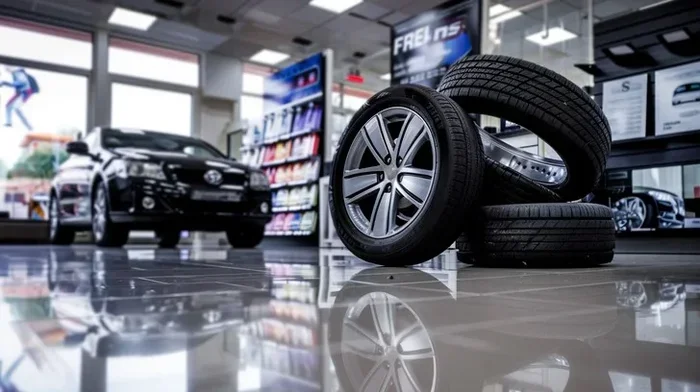
How Many Miles Do Dealership Tires Last Before Replacing
Dealership tires typically last between 40,000 and 70,000 miles, depending on the brand, driving habits, and maintenance routine. Most new vehicles come with all-season tires rated for around 50,000 miles, but real-world results vary widely. Understanding what affects dealership tire lifespan helps you get the most miles out of every set.
When you drive a new car off the lot, those tires under you are brand new. They look great. They feel smooth. And they probably came from the dealership itself. But here is the question every car owner eventually asks: how many miles do dealership tires last before replacing?
The answer is not as simple as a single number. Tires are one of the most important parts of your vehicle. They are the only thing connecting your car to the road. So getting the most out of them matters a lot. In this guide, we break down everything you need to know about dealership tire lifespan, from average mileage to maintenance tips that add thousands of miles.
Whether you just bought a new car or are wondering about the tires currently on your vehicle, this article covers it all. We will look at what affects tire wear, how to spot the warning signs, and what you can do to stretch your tire life as far as possible.
Key Takeaways
- Average Lifespan: Most dealership tires last 40,000 to 70,000 miles before needing replacement.
- OEM Tires Matter: The tires installed at the dealership are chosen for your specific vehicle model and driving conditions.
- Maintenance Is Key: Regular tire rotation, proper inflation, and wheel alignment can significantly extend tire life.
- Age Matters Too: Tires older than six years may need replacement even if the tread looks fine.
- Warranty Protects You: Many tire manufacturers offer mileage warranties that cover premature wear.
- Driving Habits Count: Aggressive driving, hard braking, and rough roads all shorten tire lifespan.
- Know the Signs: Tread depth, cracks, and vibrations are clear signals that replacement is near.
📑 Table of Contents
- What Are Dealership Tires and Why Do They Matter?
- How Many Miles Do Dealership Tires Typically Last?
- Factors That Affect Dealership Tire Lifespan
- Signs Your Dealership Tires Need Replacement
- How to Make Your Dealership Tires Last Longer
- Dealership Tire Warranties and Mileage Coverage
- When to Replace Tires: Mileage vs. Age
- Common Mistakes That Shorten Tire Life
- How Dealership Tire Replacement Works
- Expert Tips for Maximizing Tire Mileage
- How Tire Technology Has Improved Over the Years
- Conclusion
What Are Dealership Tires and Why Do They Matter?
When people talk about dealership tires, they usually mean the original equipment manufacturer, or OEM, tires that come installed on a new vehicle. These tires are selected by the car manufacturer to match the performance, safety, and comfort goals of the vehicle.
OEM Tires vs. Aftermarket Tires
OEM tires are different from aftermarket tires you might buy later. Car manufacturers work with tire brands like Michelin, Bridgestone, Goodyear, and Continental to pick the right set for each model. These tires are tested for ride quality, noise levels, fuel efficiency, and safety.
Aftermarket tires are replacements you choose yourself. They can be the same brand or a completely different one. Some drivers swap out OEM tires for performance or off-road options. But for most people, the original dealership tires are the ones that matter most in the first few years of ownership.
Why Tire Choice Affects Your Car
The tires on your car affect more than just how it drives. They influence fuel economy, braking distance, handling, and even ride comfort. That is why car makers put so much thought into the tires they install. Choosing the right dealership tire set means your car performs the way the engineers intended.
How Many Miles Do Dealership Tires Typically Last?
The short answer is that most dealership tires last between 40,000 and 70,000 miles. But that is a broad range. The actual lifespan depends on several factors we will explore below.
Average Mileage by Tire Type
Different tires are built for different purposes. Here is a quick look at what you can expect from common types of tires found on new cars:
- All-Season Tires: These are the most common OEM tires. They typically last around 50,000 to 60,000 miles.
- Touring Tires: Designed for comfort and long life. Many last 60,000 to 70,000 miles.
- Performance Tires: Built for handling and speed. They usually wear faster, around 30,000 to 40,000 miles.
- All-Terrain Tires: Common on SUVs and trucks. They last about 40,000 to 55,000 miles depending on use.
How Long Do Tires Last on Popular Models?
Some vehicles are known for long tire life. For example, drivers who maintain their cars well often report that how many miles will an FJ Cruiser last depends heavily on the tire quality and maintenance routine. Similarly, a well-maintained sedan with touring tires can easily hit 60,000 miles before the tires need swapping.
The key takeaway is that your driving style and maintenance habits play a huge role in determining whether your tires hit the high or low end of that mileage range.
Factors That Affect Dealership Tire Lifespan
Not all tires wear at the same rate. Several factors come into play when determining how long your tires will last. Understanding these factors helps you take control of your tire health.
Driving Habits
How you drive matters a lot. Aggressive acceleration, hard braking, and taking corners at high speeds all wear down tires faster. Smooth, steady driving is one of the best ways to extend tire life.
If you like to push your car hard, expect your tires to wear out sooner. Gentle drivers often get 20% more life out of the same set of tires.
Road Conditions
Rough roads, gravel, potholes, and construction zones all take a toll on tires. If you drive on poorly maintained roads every day, your tires will wear faster than someone who sticks to smooth highways.
Even the type of terrain matters. City driving with lots of stops and starts wears tires differently than steady highway cruising. Both are normal, but they affect tire mileage in different ways.
Weather and Climate
Extreme heat breaks down rubber faster. Cold temperatures can make tires lose air pressure, which leads to uneven wear. If you live in a place with harsh winters, using seasonal tires can help preserve your all-season set.
UV exposure from sunlight also degrades rubber over time. This is why tires stored outside for long periods age faster than those kept in a garage.
Maintenance and Care
This is where you have the most control. Regular maintenance keeps tires wearing evenly and lasting longer. Here are the most important maintenance practices:
- Tire Rotation: Switching front and rear tires every 5,000 to 8,000 miles helps them wear evenly. Many drivers ask, do tires last longer when rotated? The answer is absolutely yes.
- Proper Inflation: Underinflated tires wear out on the outer edges of the tread. Overinflated tires wear in the center. Check your pressure at least once a month.
- Wheel Alignment: Misaligned wheels cause your car to pull to one side and wear tires unevenly. Get an alignment check at least once a year.
- Balancing: Unbalanced tires cause vibrations and uneven wear. Balance them whenever you get new tires or rotate them.
Tire Quality and Brand
Not all tires are created equal. Premium brands often use better rubber compounds and more advanced tread designs. These tires may cost more upfront but often last longer and perform better over time. Budget tires might save you money at the purchase point but could need replacement sooner.
Signs Your Dealership Tires Need Replacement
Knowing when to replace your tires is just as important as knowing how long they should last. Waiting too long to replace worn tires is dangerous. Here are the clearest signs that your tires are reaching the end of their life.
Tread Depth Is Getting Low
The most obvious sign of tire wear is low tread depth. New tires typically have tread depth around 10/32 of an inch. When the tread wears down to 2/32 of an inch, it is time for new tires. You can use the penny test to check this at home.
Insert a penny into the tread groove with Lincoln’s head pointing down. If you can see the top of his head, your tread is too worn. If part of his head is covered, you still have some life left.
Visible Cracks or Bulges
As tires age, the rubber can develop cracks on the surface. These cracks, also called dry rot, mean the tire is breaking down. Bulges or blisters on the sidewall are even more serious. They indicate internal damage and a risk of blowout.
If you notice either of these signs, get your tires checked right away. Do not wait for the next scheduled maintenance.
Vibrations or Unusual Noises
Feeling vibrations through the steering wheel or seat can signal tire problems. It might mean the tires are unbalanced, misaligned, or internally damaged. Unusual noises like humming or thumping while driving are also red flags.
These symptoms should never be ignored. They not only affect tire life but also your safety on the road.
Tires Are Older Than Six Years
Even if the tread looks fine, tires degrade over time. Rubber hardens and loses flexibility as it ages. Most tire manufacturers recommend replacing tires that are six to ten years old, regardless of tread depth.
Check the DOT code on the sidewall of your tire. The last four digits tell you the week and year the tire was manufactured. For example, 2523 means the tire was made in the 25th week of 2023.
Frequent Repairs or Air Loss
If you find yourself patching punctures or adding air more often than usual, your tires may be too far gone to justify repairing. Repeated leaks or slow punctures in the same area often mean the tire structure is compromised.
How to Make Your Dealership Tires Last Longer
The good news is that you can take steps to get more miles out of your dealership tires. Simple habits and regular maintenance go a long way toward extending tire life.
Stick to a Regular Rotation Schedule
Tire rotation is one of the easiest and most effective things you can do. It balances out the natural wear patterns between front and rear tires. Most experts recommend rotating tires every 5,000 to 8,000 miles, or every other oil change.
Think of it this way: your front tires handle steering and braking, so they wear faster on the edges. Rotating them to the rear gives them a chance to wear more evenly. This simple habit can add several thousand miles to your tire life.
Keep Tire Pressure Spot On
Checking tire pressure takes only a few minutes but has a big impact. Underinflated tires create more rolling resistance, which wears the rubber faster and reduces fuel economy. Overinflated tires give you a harsh ride and wear the center tread quickly.
Check your owner’s manual or the sticker on the driver’s door jamb for the recommended pressure. Make it a habit to check once a month, ideally when the tires are cold.
Avoid Overloading Your Vehicle
Every vehicle has a maximum weight capacity. Exceeding it puts extra stress on your tires, causing them to wear faster and run hotter. Check your owner’s manual for the recommended load limit and try to stay under it.
Drive Smoothly
Gentle driving does not just save fuel. It also saves your tires. Avoid hard starts, sharp turns, and slamming on the brakes whenever possible. Smooth driving reduces the friction and heat that break down rubber over time.
It is a bit like how how many gears does a forklift have affects how the machine operates, your driving style directly affects how your tires wear. Smooth inputs equal longer tire life.
Store Tires Properly When Not in Use
If you switch to seasonal tires, store your spare set in a cool, dry place away from direct sunlight. UV rays and heat break down rubber even when the tires are not on the car. Cover them or store them in opaque bags to slow down the aging process.
Get Regular Alignment and Balancing
Misalignment causes your tires to scrub against the road at the wrong angle. This leads to rapid, uneven wear on one side of the tread. A proper alignment ensures all four tires meet the road at the correct angle, promoting even wear and better handling.
Combine alignment checks with your tire rotation schedule for the best results. Getting both done at the same time saves time and keeps your tires in top shape.
Dealership Tire Warranties and Mileage Coverage
Many dealership tires come with a manufacturer mileage warranty. These warranties protect you against premature or uneven wear. Understanding how they work can save you money and give you peace of mind.
Most tire warranties cover a certain number of miles, typically ranging from 40,000 to 80,000 miles depending on the tire model. If your tires wear out before reaching the listed mileage, the manufacturer may prorate a credit toward a new set.
To make a warranty claim, you usually need to keep your purchase receipt and provide proof of regular maintenance, including rotation records. Keep your maintenance log and save all your receipts. This documentation is essential if you ever need to file a warranty claim.
It is also worth noting that warranty coverage typically does not include damage from road hazards, misuse, or lack of maintenance. So following the care tips in this article not only extends your tire life but also keeps your warranty valid.
When to Replace Tires: Mileage vs. Age
A common question is whether to replace tires based on mileage, age, or both. The answer is both. Mileage and age are two separate clocks that tick down on your tires, and whichever one runs out first should trigger replacement.
For example, you might have tires with plenty of tread left after only three years of driving. But those tires are still aging. Rubber degrades over time regardless of use. In this case, most experts recommend replacing tires that are over six years old, even if the tread looks good.
On the other hand, you might have low-mileage tires that are six years old. The rubber has still been aging, so replacement is still the safer choice. Think of it like how how many years should a forklift last depends on both usage hours and the age of the machine, tires have a similar dual timeline.
For most drivers who average about 12,000 to 15,000 miles per year, tire replacement every four to five years is a realistic expectation. This aligns with both the mileage and age guidelines from most tire manufacturers.
Common Mistakes That Shorten Tire Life
Avoiding common mistakes is one of the easiest ways to protect your investment in dealership tires. Here are the pitfalls to watch out for:
- Ignoring the TPMS light: The tire pressure monitoring system exists for a reason. Ignoring it can lead to underinflation and accelerated wear.
- Skipping tire rotations: Uneven wear shortens the overall life of your tire set. Do not skip this simple maintenance step.
- Mixing tire types: Using different tire brands or models on the same axle can cause uneven wear and handling issues.
- Overloading the vehicle: Extra weight puts excessive stress on tires and leads to faster wear and potential blowouts.
- Neglecting alignment: A bad alignment can eat through your tread in a fraction of the expected time.
- Driving on damaged tires: Even a small puncture can lead to bigger problems if not addressed quickly.
Steering clear of these mistakes keeps your tires wearing evenly and your car safe on the road. Small habits make a big difference over thousands of miles.
How Dealership Tire Replacement Works
When the time comes to replace your tires, your dealership can handle the entire process. Most dealerships have tire service centers that can match your vehicle to the right tires, mount them, balance them, and align your wheels.
One advantage of going through the dealership is that they use tires approved for your specific model. This ensures the same performance and safety standards that came with your original tires. The process is also often covered under your vehicle warranty or maintenance plan if you are still within the coverage period.
If you choose to buy tires elsewhere, make sure the replacement tires match the size, speed rating, and load index specified in your owner’s manual. Mixing specifications can affect handling, fuel economy, and safety.
Expert Tips for Maximizing Tire Mileage
Here are some extra tips from tire experts that can help you squeeze every last mile out of your dealership tires:
- Check pressure before long trips. A quick check can prevent uneven wear on extended drives.
- Keep a tire maintenance log. Tracking rotations, alignments, and replacements helps you stay on top of your schedule.
- Inspect tires visually every month. Look for cracks, bulges, or objects embedded in the tread.
- Wash your tires regularly. Road salt, dirt, and debris can accelerate rubber degradation.
- Use the right tire for the season. All-season tires are versatile, but seasonal tires perform better in extreme conditions.
These small efforts add up. Drivers who follow a consistent tire care routine often report getting 10,000 to 15,000 more miles out of their tires compared to those who skip maintenance.
How Tire Technology Has Improved Over the Years
Modern tires are far more advanced than the tires on cars from even 20 years ago. Manufacturers now use advanced rubber compounds, computer-designed tread patterns, and reinforced sidewalls that improve both longevity and performance.
Many new dealership tires come with features like run-flat technology, which allows you to drive a limited distance even after a puncture. Others include noise-reducing foam inside the tire for a quieter ride. These innovations not only improve the driving experience but also contribute to longer tire life.
As car manufacturers continue to develop electric and hybrid vehicles, tire technology is evolving to meet new demands. Heavier vehicles, instant torque, and regenerative braking all place unique demands on tires. The industry is responding with stronger, more durable tire designs built specifically for these new powertrains.
For instance, the longevity of components like how long will a keyless car run without the key or how long does it take for a hybrid to pay for itself often ties into how well the vehicle’s parts are built to last, and tires are no different. Modern OEM tires are built to match the engineering standards of today’s advanced vehicles.
Conclusion
So, how many miles do dealership tires last before replacing? The honest answer is that most tires last between 40,000 and 70,000 miles, but your results depend on your driving habits, maintenance routine, road conditions, and the quality of the tires themselves.
The best way to get the most out of your dealership tires is to stay proactive with maintenance. Rotate your tires regularly, keep the pressure correct, get alignments when needed, and watch for the warning signs of wear. These simple steps can add thousands of miles to your tires and keep you safe on the road.
Tires are a significant investment in your vehicle. Treating them well pays off in safety, performance, and savings. Start today by checking your tire pressure and scheduling a rotation if you are due. Your future self, and your wallet, will thank you.
Remember, taking care of your tires is not just about mileage. It is about ensuring your car handles the way it should every time you get behind the wheel. Good tires give you confidence, comfort, and control. That is worth every mile you put on them.
Frequently Asked Questions
How do I know when my dealership tires need replacing?
Check your tread depth using the penny test. If you can see the top of Lincoln’s head, your tread is too low. Also watch for visible cracks, bulges, vibrations while driving, or tires older than six years. Any of these signs means it is time for new tires.
Do dealership tires last longer than aftermarket tires?
Not necessarily. OEM tires are chosen by the car manufacturer for your specific model, so they are well-matched to your vehicle. However, aftermarket tires from premium brands can last just as long or even longer. The key factor is the tire quality and how well you maintain them.
How often should I rotate my dealership tires?
Most experts recommend rotating your tires every 5,000 to 8,000 miles, or about every other oil change. Regular rotation helps tires wear evenly and can add several thousand miles to their overall lifespan.
Can I replace just two tires instead of all four?
In some cases yes, especially if only two tires are worn. However, it is best to replace tires in pairs on the same axle. Mixing worn and new tires can affect handling and traction. Always check your owner’s manual for specific guidance.
Does tire warranty cover normal wear and tear?
Most tire warranties cover premature or uneven wear caused by defects or lack of maintenance. They typically do not cover normal wear, road hazard damage, or damage from misuse. Keep your maintenance records and receipts to support any warranty claims.
What is the average cost to replace a set of dealership tires?
The cost varies depending on the tire brand, size, and model. On average, a full set of tires ranges from $400 to $1,200 including installation. Premium tires cost more but often last longer and offer better performance, making them a smart long-term investment.
=== CONCLUSION ===
How many miles do dealership tires last before replacing depends on many factors, but with proper care, most tires deliver 40,000 to 70,000 miles of reliable service. The best approach is to stay consistent with maintenance, drive smoothly, and replace tires when either the tread or the age calls for it. Your tires are your connection to the road, and taking care of them is one of the simplest and most effective things you can do for your vehicle.