How Much Oil Does a 40L I6 Engine Really Take to Fill
A 4.0L I6 engine typically takes between 4.5 and 5.5 quarts of oil, depending on whether you are replacing the filter or not. Using the correct oil weight and staying within the proper capacity is essential for engine health. This guide walks you through everything you need to know about filling, checking, and maintaining your 4.0L inline-six.
If you own a truck or SUV with a 4.0L inline-six engine, you already know these powerplants are tough and reliable. The 4.0L I6 has been a workhorse in Toyota vehicles for decades. But one question comes up again and again: how much oil does a 4.0L I6 really take to fill?
The answer is not as simple as just pouring in a generic number. Several factors affect the total oil capacity. These include whether you are changing the oil filter, the specific vehicle model, and even the type of oil you use. In this guide, we will break down everything you need to know. You will learn the exact capacity, the best oil type, and how to avoid common mistakes that cause engine trouble.
Whether you are a DIY mechanic or just someone who wants to understand your vehicle better, this article has you covered. Let us dive into the details of 4.0L I6 engine oil capacity and make sure your engine stays happy and healthy.
Key Takeaways
- Oil Capacity: A 4.0L I6 engine holds roughly 4.5 to 5.5 quarts with a new filter installed.
- Correct Oil Weight Matters: Most Toyota 4.0L engines perform best with 5W-30 synthetic or conventional oil.
- Overfilling Is Risky: Too much oil can cause engine damage, leaks, and rough running.
- DIY Oil Changes Are Doable: With the right tools and a little patience, you can save money changing your own oil.
- Check Your Dipstick: Always verify the oil level after filling to avoid underfilling or overfilling.
- Follow the Schedule: Sticking to regular oil change intervals keeps your I6 engine running strong for years.
📑 Table of Contents
- Understanding the 4.0L I6 Engine Oil Capacity
- Best Oil Type for the 4.0L I6 Engine
- Step-by-Step Oil Change Guide for the 4.0L I6
- How to Check Your Oil Level Correctly
- Common Mistakes to Avoid When Filling Oil
- How Often Should You Change Oil in a 4.0L I6?
- Expert Insights on 4.0L I6 Oil Maintenance
- Conclusion
Understanding the 4.0L I6 Engine Oil Capacity
The 4.0L V6 (also known as the 1GR-FE) inline-six engine has been a staple in Toyota’s lineup since the early 2000s. You will find it in popular models like the Toyota 4Runner, Tacoma, and Tundra. Knowing the exact oil capacity helps you avoid both underfilling and overfilling, which can lead to serious engine problems.
Standard Oil Capacity for the 4.0L I6
Most 4.0L I6 engines take approximately 4.5 to 5.5 quarts of oil. The exact number depends on a few key factors:
- With Oil Filter Change: Most setups require about 5 quarts when you swap in a new filter.
- Without Filter Change: If you are only topping off, you may need closer to 4.5 quarts.
- Engine Variant: Some slightly modified versions may hold a bit more or less.
Always check your owner’s manual first. The manual gives you the manufacturer’s exact specification. It also tells you the recommended oil weight and change interval. This is the best starting point for any oil change job.
Why Exact Capacity Matters
You might think adding a little extra oil does no harm. But that is not true. Overfilling your engine can cause the oil to foam, which reduces lubrication. Foaminess leads to increased engine wear over time. On the flip side, running low on oil causes friction, heat buildup, and potentially catastrophic engine failure.
This is why knowing your exact oil capacity is so important. You want to add the right amount, no more and no less. A simple dipstick check after filling confirms you are in the sweet spot.
Best Oil Type for the 4.0L I6 Engine
Not all engine oils are created equal. The 4.0L I6 engine works best with a specific viscosity and formulation. Choosing the right oil protects your engine and extends its lifespan.
Recommended Oil Weight
Toyota generally recommends 5W-30 for the 4.0L I6 engine. Here is why this weight works so well:
- 5W: The “5W” rating means the oil flows well in cold temperatures. This ensures quick lubrication on cold starts, which is when most engine wear occurs.
- 30: The “30” rating indicates the oil maintains proper thickness at operating temperature. It stays protective without being too thin.
Some owners ask about using 10W-30 or 5W-40 instead. While these may work in certain conditions, 5W-30 remains the factory-recommended choice for most applications. If you live in an extremely hot climate, you might consider a slightly heavier weight. But for everyday driving, 5W-30 is the way to go.
Synthetic vs. Conventional Oil
You have two main options: synthetic and conventional oil. Both work in the 4.0L I6, but they have different benefits:
- Synthetic Oil: Offers better protection at extreme temperatures. It lasts longer between changes, typically up to 7,500 miles or more. Synthetic oil also flows more smoothly at low temperatures.
- Conventional Oil: More affordable and widely available. It works perfectly fine for normal driving conditions. You will just need to change it more frequently, around every 3,000 to 5,000 miles.
If you want the best protection for your engine, go with a quality full synthetic 5W-30. The extra cost is worth the added engine protection and longer intervals between changes.
Step-by-Step Oil Change Guide for the 4.0L I6
Changing the oil in a 4.0L I6 engine is a straightforward process. You do not need to be a professional mechanic to get it right. Follow these steps for a clean, efficient oil change.
What You Will Need
- 5 quarts of 5W-30 oil (synthetic or conventional)
- New oil filter (OEM or quality aftermarket)
- Oil drain pan
- Socket wrench and the correct size socket
- Oil filter wrench
- Funnel
- Jack and jack stands or ramps
- Gloves and safety glasses
The Oil Change Process
Start by warming up the engine for a few minutes. Warm oil flows out faster and carries more contaminants with it. Then, lift the vehicle safely using a jack and secure it with jack stands. Never work under a vehicle supported only by a jack.
Place your drain pan under the oil drain plug. Use the socket wrench to loosen the plug and let the old oil drain completely. This usually takes about 10 to 15 minutes. While the oil is draining, remove the old oil filter using the oil filter wrench. Before installing the new filter, rub a little fresh oil on the rubber gasket. This creates a better seal and makes future removal easier.
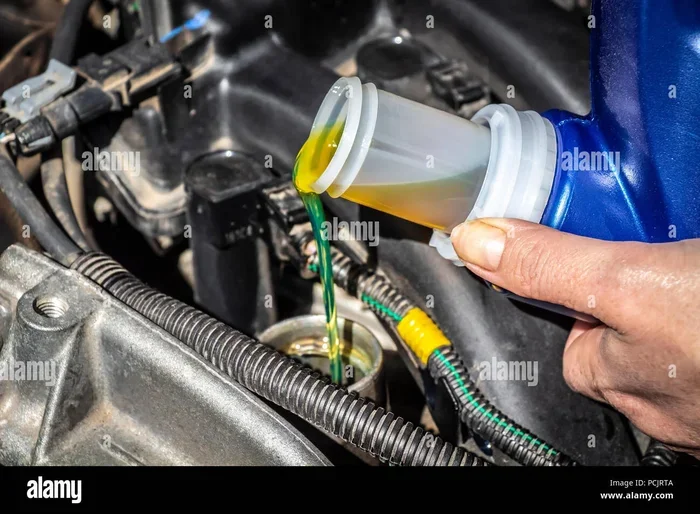
Once the oil has stopped dripping, reinstall the drain plug and tighten it snugly. Do not overtighten, as this can strip the threads. Now, use a funnel to pour in the new oil. Start with about 4.5 quarts. Wait a minute or two for the oil to settle, then check the dipstick. Add more oil in small increments until the level reaches the full mark.
After filling, start the engine and let it run for a minute. Check underneath for leaks. Turn off the engine, wait a few more minutes, and check the dipstick one more time. You are all set!
Pro Tips for a Clean Oil Change
- Always dispose of your old oil properly. Take it to a recycling center or auto parts store.
- Keep a shop rag handy. Oil spills happen, and a clean workspace prevents accidents.
- Record the date and mileage of your oil change. This helps you track your oil change interval and stay on schedule.
- If you are unsure about any step, consult your vehicle’s service manual. It has model-specific details that make the job easier.
For those who prefer learning by watching, many online tutorials show the entire process for the 4.0L I6. And if you are new to DIY maintenance, changing your own oil is one of the best skills to build. It saves money and gives you a better understanding of your vehicle.
How to Check Your Oil Level Correctly
Filling the right amount of oil is only half the battle. You also need to check the level regularly to make sure everything is in good shape. A quick dipstick check takes less than a minute and can save you from expensive repairs.
The Dipstick Method
Make sure your vehicle is parked on a level surface. The engine should be cool or have been turned off for at least five minutes. Pull out the dipstick, wipe it clean with a rag, then reinsert it fully. Pull it out again and look at the oil level markings.
The dipstick will have two marks, often lines or dots. The oil level should fall between these two marks. If it is below the lower mark, add oil a quarter quart at a time. If it is above the upper mark, you have overfilled and need to drain some out.
Signs of Oil Level Problems
Watch for these warning signs that your oil level might be off:
- Oil Pressure Warning Light: This dashboard light means your oil level or pressure is too low. Stop driving immediately and check the oil.
- Engine Knocking Sounds: Low oil causes metal parts to grind together. A knocking noise is a serious warning sign.
- Blue or Gray Exhaust Smoke: This can indicate oil is burning in the combustion chamber, often from overfilling or a leak.
- Oil Leaks Under the Vehicle: Puddles of oil under your parked vehicle suggest a problem that needs attention.
If you notice any of these signs, address them right away. Ignoring oil level issues leads to engine damage that can cost thousands of dollars to repair.
Common Mistakes to Avoid When Filling Oil
Even experienced car owners make mistakes when it comes to oil changes. Here are the most common errors and how to avoid them.
Overfilling the Engine
Adding too much oil is one of the most common mistakes. Some people think “more is better,” but that is far from the truth. Excess oil gets churned by the crankshaft and creates foam. Foamy oil loses its ability to lubricate properly, which leads to increased wear on engine components.
If you accidentally overfill, do not panic. You can drain the excess oil through the drain plug or use a suction tool to remove it. Just make sure you get it back to the correct level before driving.
Using the Wrong Oil Weight
Every engine is designed for a specific oil viscosity. Using the wrong weight can reduce fuel efficiency, increase engine wear, and even trigger warning lights. Always stick with the manufacturer’s recommendation, which for the 4.0L I6 is 5W-30.
Skipping the Oil Filter
Some people reuse their old oil filter to save money. This is a bad idea. A clogged or worn filter cannot properly clean your oil. Contaminants circulate through the engine, causing premature wear. Always install a new filter with every oil change. If you are unsure which filter to buy, check with your local parts store or refer to your owner’s manual.
Ignoring Oil Change Intervals
Even the best oil breaks down over time. It loses its viscosity and protective properties. Sticking to a regular oil change schedule is one of the simplest and most effective ways to protect your engine. Most manufacturers recommend changing oil every 5,000 to 7,500 miles for synthetic oil and every 3,000 to 5,000 miles for conventional oil.
If you are unsure about where to get your oil changed or whether you can handle it yourself, does it matter where you get your oil changed? The answer is yes and no. Professional shops offer convenience and expertise, but DIY changes save money and give you full control over the process.
Forgetting to Check for Leaks
After completing an oil change, always inspect underneath the vehicle for drips or puddles. A loose drain plug or improperly seated oil filter can cause leaks. Catching these early prevents oil loss and potential engine damage.
How Often Should You Change Oil in a 4.0L I6?
The oil change interval depends on several factors, including the type of oil you use, your driving conditions, and the vehicle model. Here is a general breakdown:
- Synthetic Oil: Change every 7,500 to 10,000 miles under normal driving conditions.
- Conventional Oil: Change every 3,000 to 5,000 miles for best results.
- Severe Driving Conditions: If you frequently tow, drive in extreme heat, or do a lot of stop-and-go driving, shorten your intervals by 20 to 30 percent.
Regular oil changes are the single most important maintenance task for your engine. Clean oil keeps all the internal components lubricated, cooled, and protected from debris. Skipping oil changes leads to sludge buildup, reduced performance, and eventually, engine failure.
If you are doing the oil change yourself, changing your own oil at home is a great way to save money and learn more about your vehicle. The process is similar across many Toyota models, so the skills you build carry over to other jobs too.
Expert Insights on 4.0L I6 Oil Maintenance
Experienced mechanics and Toyota enthusiasts share a few insider tips for keeping your 4.0L I6 engine in top shape:
- Use OEM or Quality Filters: Cheap filters may not capture all the contaminants. Investing in a quality filter pays off in engine longevity.
- Monitor Oil Between Changes: Do not wait for the next scheduled change to check your oil. Top off as needed to maintain the proper level.
- Keep Records: A simple log of oil changes, filter replacements, and mileage helps you stay on track and makes resale easier.
- Watch for Consumption: Some 4.0L I6 engines burn a small amount of oil over time. If you notice you need to add oil frequently, have a mechanic inspect for leaks or burning issues.
When it comes to oil filters, many owners wonder if they always need a new one. Do I need a new filter with every oil change? The short answer is yes. Reusing an old filter compromises the quality of your fresh oil and can introduce contaminants into your engine.
Also, if you ever accidentally add too much oil, it is important to address it quickly. Can you put too much oil in your car? Absolutely, and it can cause serious issues like oil foaming, pressure buildup, and seal damage. Always measure carefully and add oil in small increments.
Conclusion
Knowing how much oil a 4.0L I6 engine takes is fundamental to proper vehicle maintenance. The standard capacity is around 4.5 to 5.5 quarts, depending on whether you are changing the filter. Using the right oil weight, sticking to a regular change schedule, and checking your level frequently are the keys to a long-lasting engine.
Do not underestimate the importance of getting the oil capacity right. A few extra minutes of attention during an oil change can prevent thousands of dollars in engine repairs down the road. Whether you handle the job yourself or visit a professional, the information in this guide empowers you to make smart decisions about your vehicle.
Take care of your 4.0L I6 engine, and it will take care of you for hundreds of thousands of miles. Start by confirming your oil capacity, grabbing the right supplies, and getting the job done right. Your engine will thank you every time you turn the key.
Frequently Asked Questions
How many quarts of oil does a 4.0L I6 engine take?
A 4.0L I6 engine typically takes between 4.5 and 5.5 quarts of oil, depending on whether you are replacing the oil filter. Always refer to your vehicle’s owner manual for the exact specification.
Can I use 5W-40 oil instead of 5W-30 in my 4.0L I6?
While 5W-40 will not immediately damage your engine, 5W-30 is the factory-recommended weight. Stick with the manufacturer’s specification for the best performance and protection.
What happens if I put too much oil in my 4.0L I6 engine?
Overfilling causes the oil to foam, which reduces lubrication. It can also increase oil pressure and damage engine seals. If you overfill, drain the excess oil down to the correct level as soon as possible.
How often should I change the oil in my 4.0L I6 engine?
With synthetic oil, change every 7,500 to 10,000 miles. With conventional oil, change every 3,000 to 5,000 miles. If you drive in severe conditions, shorten these intervals.
Can I change the oil in my 4.0L I6 engine myself?
Yes, changing your own oil is a manageable DIY task. You will need basic tools, a drain pan, and about 30 to 45 minutes. It saves money and gives you full control over the quality of parts used.
Do I need to replace the oil filter every time I change the oil?
Yes, always install a new oil filter with every oil change. A used filter may be clogged or contaminated, which reduces the effectiveness of your fresh oil and can harm the engine.