How Do You Get Stains Out of Car Seat Covers For Good
How do you get stains out of car seat covers without ruining the material? The answer lies in using the right cleaning method for your specific seat cover type. Car seat covers come in fabric and leather, and each requires a different approach to stain removal. With the right cleaning solution and a little elbow grease, you can restore your seats to like-new condition. This guide covers every method you need, from basic spot cleaning to deep auto upholstery care.
Key Takeaways
- Act Fast: The sooner you treat a stain, the easier it is to remove it completely.
- Use the Right Cleaner: Different seat cover materials need different cleaning solutions.
- Avoid Harsh Chemicals: Strong cleaners can damage fabric and leather over time.
- Test First: Always test any cleaning method on a hidden area before applying it to the stain.
- Prevent Future Stains: Seat covers and protective sprays help keep your seats looking clean.
- Know When to Call a Pro: Stubborn stains may need professional car detailing.
📑 Table of Contents
Understanding Car Seat Cover Materials
Before you start cleaning, you need to know what your seat covers are made of. Different materials react differently to cleaning methods. Using the wrong approach can set a stain deeper or even damage the cover entirely. Taking a moment to identify your material saves you time, money, and frustration.
Most cars on the road today use either fabric or leather seat covers. Some vehicles also have synthetic leather, which falls somewhere in between. Each type has its own cleaning requirements. Fabric is soft and breathable but absorbs stains easily. Leather is durable and wipeable but needs special conditioning. Knowing your material is the first step toward effective car interior cleaning.
Fabric Seat Covers
Fabric seat covers are the most common type found in cars. They are soft, comfortable, and come in many colors and patterns. However, fabric is porous, which means stains can sink deep into the fibers. Common fabrics include polyester, nylon, and cloth blends. These materials are generally easy to clean but require gentle handling.
Stain removal on fabric works best when you act quickly. The longer a stain sits, the harder it becomes to lift it out completely. Fabric covers can usually handle water-based cleaners. You can use mild soap, vinegar solutions, or dedicated upholstery cleaner products. Always blot the stain instead of rubbing it. Rubbing pushes the stain deeper into the fabric fibers. Pat gently with a clean cloth to absorb as much of the spill as possible before it sets.
One important tip is to never use hot water on fabric stains. Hot water can set protein-based stains like blood or food. Always stick with cold or warm water for the best results. This small detail makes a big difference in how well your seat cover washing efforts work.
Leather Seat Covers
Leather seat covers give your car a premium look and feel. They are durable and easier to wipe clean than fabric. But leather needs special care. Harsh chemicals can dry out the leather and cause cracking over time. Car interior cleaning for leather requires a gentle touch and the right products.
Use a pH-balanced leather cleaner for the best results. Avoid household detergents or bleach on leather. These can strip the natural oils from the material and leave it looking dull. After cleaning, always apply a leather conditioner. This keeps the leather soft and prevents it from drying out or fading.
Deep clean car seats made of leather once every few months to maintain their appearance and feel. Leather is a natural material that breathes. Without proper care, it can become brittle and uncomfortable. A little conditioning goes a long way in preserving the look and lifespan of your leather seat covers.
Common Stains on Car Seat Covers
Not all stains are the same. Knowing what type of stain you are dealing with helps you choose the right removal method. Here are the most common stains found on car seat covers and how to approach each one.
Food and Drink Stains
Food and drink spills are the number one enemy of clean car seats. Coffee, soda, juice, and sauce spills happen all the time. These stains are usually water-based and respond well to simple cleaning methods. The key is to blot the spill immediately. The longer it sits, the more it soaks into the fabric or leather.
For fabric covers, mix a few drops of dish soap with warm water. Gently dab the stain with a cloth soaked in the solution. Work from the outside of the stain inward to prevent spreading. For leather, use a damp cloth with a small amount of mild soap. Wipe gently and dry with a separate clean cloth right away.
Coffee stains are particularly stubborn because of their dark pigment and acidic content. For fabric, try a solution of one part white vinegar to two parts water. For leather, use a dedicated leather cleaner and follow up with conditioner. Acting within minutes of the spill gives you the best chance of complete stain removal.
Oil and Grease Stains
Oil and grease stains are tricky because they do not dissolve in water. These stains often come from food, mechanical work, or natural skin oils. Stubborn stains like grease need a different approach. You need a cleaning agent that breaks down the oil at its source.
For fabric covers, sprinkle baking soda or cornstarch on the stain. Let it sit for 15 to 20 minutes. These powders absorb the oil and lift it from the fibers. Then brush it off gently and apply a cleaning solution of dish soap and warm water. For leather, use a small amount of mild dish soap on a damp cloth. Wipe the area gently and dry it thoroughly with a soft towel.
Another effective method for grease stains on fabric is to use a small amount of dish soap directly on the stain. Rub it in gently with your fingers and let it sit for 10 minutes. Then blot with a damp cloth and repeat if needed. This simple approach works surprisingly well for most grease spots.
Ink and Dye Stains
Ink stains from pens, markers, or leaked pens can ruin seat covers quickly. Dye stains from clothing or new seat covers can also transfer onto existing covers. These stains are among the hardest to remove. Alcohol-based cleaners work well on ink stains for fabric covers. Apply a small amount to a cloth and dab the stain gently. Do not rub, as this can spread the ink.
For leather covers, use a specialized leather ink remover. Test it on a hidden area first. Some ink stains may not come out completely on leather. In those cases, professional car detailing services have stronger tools and solutions that can help. It is always better to try a gentle approach first before moving to harsher methods.
Mold and Mildew Stains
Mold and mildew can develop on seat covers that stay damp for too long. This often happens in humid climates or when covers are not dried properly after washing. Mold stains appear as dark spots and can produce a musty smell.
For fabric covers, mix one cup of water with one cup of white vinegar. Spray the affected area and let it sit for 30 minutes. Then blot with a clean cloth and allow the cover to air dry completely. For leather, use a mild solution of water and vinegar and wipe gently. Make sure the leather dries fully to prevent mold from returning.
Prevention is the best cure for mold and mildew. Always make sure your seat covers are completely dry before putting them back on the seats. If your car sits unused for long periods, leave the windows cracked open slightly to allow air circulation. Good car interior care habits prevent mold before it starts.
How Do You Get Stains Out of Car Seat Covers: Fabric Cleaning Methods
Fabric seat covers are forgiving when it comes to cleaning. Most household items can help you tackle common stains effectively. Here is a step-by-step approach to removing stains from car seat covers made of fabric.
Using Household Cleaners
You do not need expensive products to clean fabric seat covers. Many items in your kitchen can do the job just as well. White vinegar, baking soda, and dish soap are all effective and safe for most fabrics. Mix one tablespoon of dish soap with two cups of warm water. Dip a clean cloth into the solution and gently blot the stain.
For tougher stains, make a paste of baking soda and water. Apply it to the stain and let it sit for 30 minutes. Then scrub gently with a soft brush and wipe away the residue. Household cleaners like hydrogen peroxide also work well on organic stains like blood or food. But always test on a hidden spot first to make sure the cleaner does not discolor the fabric.
Remember, using too much cleaner is like putting too much oil in your car. It can cause buildup and make the fabric stiff over time. Use just enough cleaner to dampen the cloth, not soak it. Less is more when it comes to cleaning fabric seat covers.
Deep Cleaning Methods
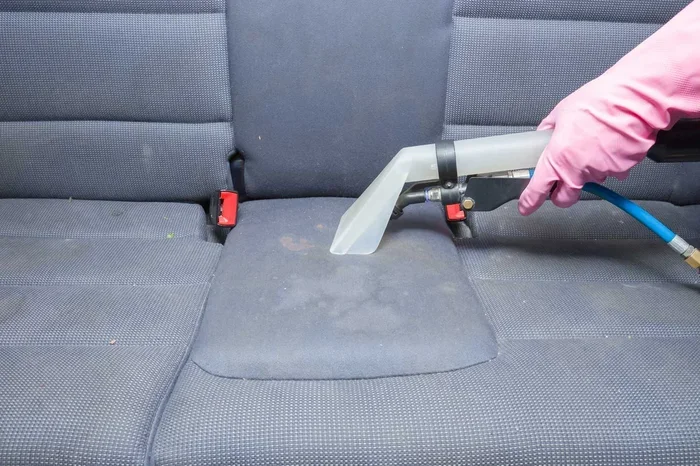
For deep stain removal, you may need to go beyond surface cleaning. A steam cleaner works wonders on fabric seat covers. The heat and moisture lift dirt and stains from deep within the fibers. You can rent a handheld steam cleaner at most hardware stores for a small fee.
Another effective option is to remove the seat covers and wash them in a washing machine. Check the care label first. Most fabric covers can handle a gentle cycle with cold water. Use a mild detergent and skip the fabric softener. Softener can leave a coating that attracts dirt and makes future cleaning harder.
Air dry the covers instead of using a dryer. High heat can cause shrinkage or damage to the fabric. After washing, let the covers dry completely before putting them back on the seats. Damp covers can lead to mold and mildew. This creates a whole new set of problems for your car interior care routine.
If you do not have a washing machine, you can hand wash seat covers in a bathtub. Fill the tub with cold water and add a small amount of mild detergent. Submerge the covers and gently agitate them. Rinse thoroughly and hang them to dry. This method takes more time but works just as well.
Spot Cleaning Tips
Spot cleaning is the fastest way to handle fresh stains on fabric seat covers. Keep a small cleaning kit in your trunk with a cloth, a spray bottle of cleaner, and a dry towel. When a spill happens, blot the excess liquid immediately. Then spray the cleaner directly on the stain and blot again with a clean cloth.
Never pour cleaner directly onto the seat cover. Always apply it to the cloth first. Pouring cleaner directly can push the stain deeper into the fabric. Work from the outside of the stain toward the center to prevent spreading.
For dried stains, you may need to repeat the cleaning process two or three times. Patience is key with stubborn stains. Do not scrub aggressively, as this can damage the fabric fibers. Gentle, repeated treatments are more effective than forceful scrubbing.
How to Remove Stains from Leather Seat Covers
Leather seat covers require a more careful approach. The material is sensitive and can be damaged by harsh products. Follow these steps for safe and effective leather seat cover cleaning.
Gentle Cleaning Approach
Start by wiping the leather cover with a damp cloth. This removes surface dirt and dust before you begin treating the stain. Next, apply a small amount of leather cleaner to a soft cloth. Gently rub the stained area in circular motions. Do not scrub too hard. Leather is a natural material and can scratch easily if you apply too much pressure.
For stubborn stains, mix a few drops of mild soap with warm water. Dampen a cloth with the solution and gently work it into the stain. Wipe off the soap with a clean, damp cloth. Dry the area immediately with a soft towel. Leaving moisture on leather can cause water spots or even cracking over time.
Never use alcohol or ammonia-based cleaners on leather. These dry out the material and cause it to fade and crack. Stick to products designed specifically for leather care. This protects the finish and keeps your seats looking great for years.
Conditioning After Cleaning
Cleaning leather strips away natural oils. That is why conditioning is a crucial step after every cleaning session. After cleaning, apply a leather conditioner to the entire cover. This restores moisture and keeps the leather supple and soft. Condition your leather seat covers every two to three months for the best results.
Conditioning also helps with stain prevention. A well-conditioned leather surface is more resistant to stains and spills. It creates a protective barrier that keeps liquids from soaking in quickly. This simple step extends the life of your leather seat covers significantly and keeps them looking premium.
When choosing a leather conditioner, look for one that is specifically designed for automotive leather. Household lotions and moisturizers are not formulated for car interiors. They may contain ingredients that can damage the leather over time. Invest in a quality automotive conditioner for the best results.
Preventing Future Stains on Car Seat Covers
Cleaning stains is one thing. Preventing them is even better. A few simple habits can keep your seat covers looking new for years. Think of it as part of your regular car seat maintenance routine.
Using Seat Cover Protectors
Seat cover protectors are a great investment for any car owner. They add an extra layer of defense against spills and stains. Waterproof seat protectors work especially well for families with kids or pets. You can find them at most auto parts stores for a reasonable price.
Protectors are easy to install and remove. You can wash them separately when they get dirty. This keeps your actual seat covers clean and extends their lifespan significantly. Think of protectors as a shield for your seats. They take the brunt of daily wear and tear so your original covers stay clean.
Quick Cleaning Habits
Small habits make a big difference over time. Wipe up spills right away instead of letting them sit and soak in. Keep a small cleaning kit in your car with a cloth and a spray bottle of cleaner. This way, you are always ready to tackle a mess before it becomes a permanent stain.
Regular vacuuming also helps. Dirt and debris build up over time and can grind into the fabric or leather. A quick vacuum once a week removes loose dirt before it becomes a stain. Just like sticking to a regular maintenance schedule keeps your car running smoothly, regular cleaning keeps your seat covers in great shape.
Avoid eating in your car when possible. Crumbs and spills are the leading causes of stains. If you must eat on the go, use a spill-proof cup and keep napkins handy. These small precautions save you from tough cleaning jobs later and help your car seat covers stay looking their best.
Protective Sprays and Treatments
Fabric and leather protective sprays add an invisible barrier to your seat covers. These sprays repel liquids and make spills easier to wipe up. Apply a protective spray after cleaning and conditioning your seat covers. Reapply every few months for continued protection.
These sprays are especially useful for families and pet owners. They give you extra peace of mind knowing that accidental spills are less likely to cause permanent damage. Look for sprays that are safe for your specific seat cover material. Using the wrong spray can damage the fabric or leather.
When to Seek Professional Help
Sometimes stains just will not come out. Deep-set stains, old stains, or stains on delicate leather may need professional attention. There is no shame in calling in the experts. Professional car detailing services have access to industrial-grade cleaning tools and solutions that are not available for home use.
You should also consider professional help if your seat covers are very expensive or rare. High-end leather or custom fabric covers deserve expert care. A professional can clean and condition them without risking damage. Some dealerships and auto shops also offer interior cleaning services.
Just like you can service a Lexus at Toyota, many shops can handle different car brands and seat cover types. Look for local car detailing shops with good reviews. Ask friends or check online for recommendations. A good detailer will treat your seat covers with care and give them a fresh, like-new look.
This is especially helpful for stubborn stains that have been set in for a long time. Professionals know how to handle tough stains without damaging the material. The cost is often worth it when you consider the alternative of replacing expensive seat covers entirely.
Conclusion
How do you get stains out of car seat covers for good? The answer is simple: act fast, use the right method for your material, and stay consistent with prevention. Whether your covers are fabric or leather, there is a cleaning approach that works for you. Start with gentle household cleaners and move to deeper methods if needed.
Taking care of your seat covers is part of overall car interior cleaning and car seat maintenance. A little effort goes a long way in keeping your car looking its best. Remember to test any new cleaner on a hidden area first. And do not be afraid to call a professional when a stain is just too tough.
Your car seat covers protect your seats and add to the comfort of every drive. Keep them clean, keep them protected, and they will serve you well for years to come. With the tips in this guide, you have everything you need to tackle any stain confidently and keep your car interior looking fresh and inviting.
Frequently Asked Questions
Can I use bleach on car seat covers?
No, you should never use bleach on car seat covers. Bleach can weaken the fabric and cause discoloration on leather. It breaks down the fibers and strips the color from the material. Stick to mild, pH-balanced cleaners that are safe for automotive upholstery.
How often should I deep clean my car seat covers?
Deep cleaning your seat covers every three to four months is a good rule of thumb. If you use your car daily or have kids and pets, you may need to clean them more often. Regular vacuuming once a week helps reduce the need for deep cleaning sessions.
Can I put fabric seat covers in the washing machine?
Yes, most fabric seat covers can go in the washing machine. Check the care label first to confirm. Use a gentle cycle with cold water and mild detergent. Avoid fabric softener and skip the dryer. Air drying is the safest method to prevent shrinkage and damage.
What is the best homemade cleaner for car seat stains?
A mixture of dish soap and warm water works great for most fabric stains. For tougher stains, a paste of baking soda and water is very effective. White vinegar mixed with water also helps with organic stains like coffee or juice. Always test any homemade cleaner on a hidden area first.
Will a steam cleaner damage leather seat covers?
Yes, steam cleaners can damage leather if used improperly. The high heat and moisture can dry out the leather and cause cracking. Stick to gentle wiping with a damp cloth for leather. Use a steam cleaner only on fabric seat covers, and keep the steam moving to avoid soaking one spot.
How can I prevent stains on my car seat covers?
The best way to prevent stains is to use seat cover protectors and avoid eating in your car. Wipe up spills immediately and vacuum regularly. Conditioning leather covers every few months also helps create a protective barrier. These simple habits keep your seats looking clean and new.