How Long to Disconnect a Battery to Reset Check Engine Light
Disconnecting your car battery is one of the simplest ways to reset a check engine light. Most experts recommend leaving the battery disconnected for 15 to 30 minutes to allow the vehicle’s computer to fully clear stored codes. However, the exact time depends on your car model, the type of fault code, and whether you want a complete ECU reset or just a temporary clearing.
If your check engine light is glowing on the dashboard, you are not alone. Millions of drivers face this situation every year. One of the most popular DIY fixes is disconnecting the battery. But how long should you actually leave it disconnected?
The answer is not as simple as a single number. The right disconnect time depends on several factors. These include your vehicle model, the type of fault code stored, and what kind of reset you are trying to achieve. In this guide, we will walk you through everything you need to know. You will learn the exact timing, the correct safety steps, and when a battery disconnect is the right move.
We will also cover common mistakes, expert tips, and alternative methods. By the end, you will feel confident tackling this common car maintenance task on your own. Let us get started.
Key Takeaways
- 15 to 30 minutes is the standard disconnect time: This gives the car’s computer enough time to reset and clear diagnostic trouble codes.
- Always disconnect the negative terminal first: This prevents short circuits and protects your vehicle’s electrical system.
- A full reset may require driving cycles: Simply disconnecting the battery might not erase all codes. Some vehicles need a full driving cycle to relearn sensors.
- Not all check engine lights return after a reset: If the underlying problem is fixed, the light may stay off permanently.
- Consider using an OBD scanner as an alternative: A scanner offers a more targeted reset without disconnecting the battery.
- Permanent codes need professional attention: Some fault codes cannot be cleared with a battery disconnect alone.
📑 Table of Contents
- Why Disconnect a Battery to Reset the Check Engine Light?
- How Long Should You Leave the Battery Disconnected?
- Step-by-Step Guide to Disconnecting Your Battery
- Common Mistakes People Make When Disconnecting a Battery
- Alternatives to Disconnecting the Battery
- What Happens After You Reset the Check Engine Light?
- Safety Tips for Battery Disconnection
- When Should You Not Disconnect the Battery?
- Final Thoughts
Why Disconnect a Battery to Reset the Check Engine Light?
Your car has a central computer called the Engine Control Unit, or ECU. This computer monitors dozens of sensors throughout the vehicle. When something goes wrong, the ECU stores a diagnostic trouble code, or DTC. That code triggers the check engine light.
Disconnecting the battery cuts power to the ECU. This clears the stored codes and resets the system. Once the battery reconnects, the ECU starts fresh. It begins relearning sensor values and monitoring systems again.
This method works well for temporary issues. Sometimes a sensor sends a false signal. A minor electrical glitch can also trigger the light. In these cases, a battery disconnect often solves the problem without a trip to the mechanic.
However, it is important to understand what this method can and cannot do. A battery disconnect clears codes. It does not fix the underlying problem. If the issue is still present, the light will come back. We will cover this in more detail later.
How Long Should You Leave the Battery Disconnected?
This is the question most drivers want answered. The general recommendation is 15 to 30 minutes. But let us break this down further so you understand why timing matters.
The Minimum Time: 15 Minutes
Fifteen minutes is the bare minimum. This gives the ECU enough time to drain residual power from its capacitors. Capacitors are small components that store electrical charge. Even after you disconnect the battery, they hold enough energy to keep some data alive.
Leaving the battery disconnected for at least 15 minutes ensures those capacitors fully discharge. This gives you the best chance of a complete reset. For most vehicles, 15 minutes is sufficient to clear minor fault codes.
The Ideal Time: 20 to 30 Minutes
For a more thorough reset, aim for 20 to 30 minutes. This extra time allows the ECU to fully reset all its parameters. It also gives the vehicle’s adaptive memory time to clear. Adaptive memory includes things like idle speed settings, fuel trim values, and shift points.
Some car manufacturers recommend longer wait times. European vehicles, for example, often benefit from a 30-minute disconnect. This gives the system ample time to reset. If you are unsure, erring on the side of longer is always a safe choice.
When You Need More Than 30 Minutes
In rare cases, 30 minutes may not be enough. This is more common with newer vehicles. Modern cars have complex computer networks. They may have multiple control modules that need to reset. These include the transmission control module and the body control module.
If the check engine light returns immediately after reconnecting, try leaving the battery disconnected for up to an hour. Also make sure you are disconnecting the correct terminal. We will cover the proper procedure in the next section.
Step-by-Step Guide to Disconnecting Your Battery
Disconnecting a battery is straightforward, but doing it incorrectly can cause problems. Follow these steps carefully to stay safe and get the best results.
Step 1: Gather Your Tools
You will need a few basic tools. Most of the time, a standard 10mm or 13mm wrench will work. Some vehicles use a 12mm or 14mm bolt. Keep a cloth or towel nearby to protect the battery terminals from scratches.
It also helps to have a memory saver. A memory saver is a small device that plugs into the OBD port. It keeps your radio presets, clock settings, and other personalized data intact during the disconnect. Without one, you may need to reprogram your radio station or clock after the reset.
Step 2: Turn Off the Engine and All Accessories
Park your car on a flat surface. Turn the ignition off. Make sure all lights, the radio, and the air conditioning are off. This prevents electrical surges when you disconnect the battery.
Wait a few seconds after turning off the engine. This allows the ECU to go into sleep mode. It also reduces the risk of damaging sensitive electronics.
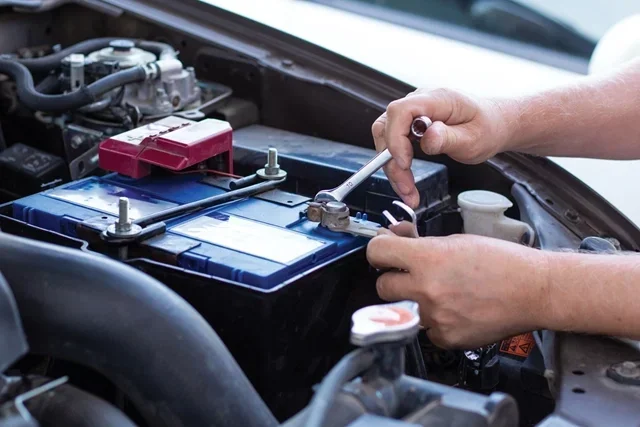
Step 3: Disconnect the Negative Terminal First
This is the most important safety step. Always disconnect the negative terminal first. The negative terminal is marked with a minus sign (-). It is usually connected to a black cable.
Use your wrench to loosen the nut on the negative terminal clamp. Once loose, carefully lift the cable off the terminal. Tuck the cable away from the battery so it cannot accidentally touch the terminal again.
Never disconnect the positive terminal first. Doing so can cause a short circuit if your wrench touches any metal part of the car. This can damage the electrical system or even cause a spark.
Step 4: Wait the Recommended Time
Set a timer for 15 to 30 minutes. Use this time to grab a coffee or take a short walk. Do not rush this step. The ECU needs enough time to fully reset.
If you want a deeper reset, wait closer to 30 minutes. This is especially true for vehicles with complex computer systems. The extra wait time costs you nothing and improves your chances of a complete reset.
Step 5: Reconnect the Battery
After waiting, it is time to reconnect. Start with the positive terminal. The positive terminal is marked with a plus sign (+). It is usually connected to a red cable. Place the clamp back on the terminal and tighten the nut securely.
Then reconnect the negative terminal. Tighten it firmly as well. Make sure both connections are tight. A loose connection can cause electrical problems and trigger the check engine light again.
Step 6: Start the Car and Check for Changes
Turn the ignition on and start the engine. Listen for any unusual sounds. Check the dashboard for warning lights. The check engine light should be off if the reset was successful.
Drive the car for a few minutes. Pay attention to how it runs. If the light stays off, you are good. If it comes back, the underlying issue likely needs attention. At that point, you may want to use an OBD scanner or visit a mechanic.
Common Mistakes People Make When Disconnecting a Battery
Even a simple task like a battery disconnect can go wrong. Here are the most common mistakes and how to avoid them.
Forgetting to Save Your Radio Code
Many cars store a security code for the radio. When you disconnect the battery, the radio locks up. You will need the code to unlock it again. This code is usually in the owner’s manual or on a card in the glove box.
If you do not have the code, you may need to visit a dealership or audio specialist. This can be expensive and unnecessary. Save yourself the trouble by finding the code before you start.
Leaving the Battery Disconnected Too Short a Time
Some drivers disconnect the battery for only a minute or two. This is not long enough. The ECU may not fully reset. The stored codes may remain, and the check engine light may stay on.
Always wait at least 15 minutes. If in doubt, wait longer. There is no harm in waiting an extra 10 or 15 minutes. The only downside is a slightly longer wait.
Reconnecting the Battery Too Quickly
After reconnecting, some drivers immediately turn on all the electrical systems. This can overwhelm the ECU as it tries to relearn settings. Instead, start the car and let it idle for a few minutes. Allow the system to boot up properly.
Ignoring the Underlying Problem
This is the biggest mistake of all. Disconnecting the battery clears the code. It does not fix the problem. If your engine has a real issue, the light will return. Ignoring it can lead to more serious and expensive damage over time.
If the check engine light comes back after a reset, do not just disconnect the battery again. Investigate the root cause. Use a scanner to read the code, or take the car to a trusted mechanic.
Alternatives to Disconnecting the Battery
Battery disconnecting is not the only way to reset a check engine light. There are other methods worth considering. Each has its pros and cons.
Using an OBD Scanner
An OBD scanner is a handheld device that connects to your car’s diagnostic port. You can plug it in, read the stored codes, and clear them electronically. This method is more precise than a battery disconnect.
OBD scanners range from basic code readers to professional-grade tools. Basic readers cost under $30 and can clear most codes. Advanced scanners provide live data and detailed fault descriptions. Many auto parts stores will scan your car for free if you buy the part from them.
If you want a targeted reset without affecting your radio settings or adaptive memory, an OBD scanner is the better choice. It is also the method professionals use.
Letting the Light Clear Itself
In some cases, the check engine light will turn off on its own. If the issue was temporary, such as a loose gas cap, the light may go away after a few drive cycles. A drive cycle means driving the car normally for several days.
However, you should not just wait and hope. A check engine light is a warning. It is better to diagnose the cause, even if the light goes away. If you want to learn more about whether a check engine light can turn off by itself, check out our article on whether a check engine light can turn off on its own.
Visiting a Mechanic
For persistent or serious issues, a professional mechanic is your best option. They have advanced diagnostic tools and years of experience. A mechanic can read the codes, perform tests, and fix the root cause.
This is especially important if the light is flashing. A flashing check engine light usually signals a serious problem. It could indicate engine misfires that can damage the catalytic converter. Do not ignore a flashing light.
What Happens After You Reset the Check Engine Light?
After a successful reset, your car’s ECU starts fresh. It begins monitoring all sensors again. But the system needs time to relearn certain values. This process is called a drive cycle.
During the first few drives, the ECU recalibrates things like fuel mixture, idle speed, and emission controls. You may notice slight changes in how the car feels. These are normal and usually go away after a few days of driving.
If the check engine light does not return after a full drive cycle, the issue was likely temporary. If it does return, the ECU has detected the same problem again. At that point, you need to address the root cause.
Some fault codes are permanent. These are called pending codes. A battery disconnect may not clear them. You will need a scanner or professional diagnosis to resolve permanent codes. For more details on this topic, you can read about whether disconnecting the battery resets codes in our dedicated guide.
Safety Tips for Battery Disconnection
Safety should always come first when working on your car. Here are some important tips to keep in mind.
- Wear safety glasses: Batteries can produce sparks. Protect your eyes in case of an accidental spark.
- Work in a well-ventilated area: Batteries emit hydrogen gas, which is flammable.
- Do not smoke near the battery: A spark could ignite the gas.
- Keep metal tools away from both terminals: This prevents accidental short circuits.
- Check the battery for damage: If the battery is cracked or leaking, do not disconnect it. Seek professional help instead.
- Know your car’s specific requirements: Some vehicles have special procedures for battery disconnects. Check your owner’s manual before starting.
Taking these precautions protects both you and your vehicle. A few extra minutes of care can save you from costly repairs or injuries.
When Should You Not Disconnect the Battery?
Battery disconnecting is not the right choice for every situation. Here are some cases where you should avoid this method.
If your car has a push-button start and a smart key system, disconnecting the battery may cause issues. These vehicles have complex security systems. A battery disconnect can sometimes lock you out of the car or require a special reset procedure.
Also, avoid disconnecting the battery if you are near the end of your battery’s life. A weak battery may not hold a charge after reconnection. You could end up stranded with a car that will not start.
Finally, if the check engine light is flashing, do not just disconnect the battery. A flashing light means a serious problem that needs immediate attention. Take the car to a mechanic right away.
If you are dealing with a hybrid vehicle, the process is different. Hybrids have high-voltage batteries in addition to the standard 12-volt battery. For more information on hybrid-specific issues, you may want to read about whether you can drive a hybrid if the battery dies or whether you can drive a Toyota hybrid without the battery.
Final Thoughts
Disconnecting your battery to reset a check engine light is a simple and effective DIY fix. Most of the time, 15 to 30 minutes is all you need. The key is to be patient, follow the steps carefully, and understand what a battery reset can and cannot do.
Remember that clearing the light does not fix the problem. Always investigate the root cause. Use a scanner, visit a mechanic, or address any obvious issues like a loose gas cap. Taking care of the underlying problem is the only way to keep the light from coming back.
With the right approach, you can handle this common car issue confidently. You will save time and money. And you will gain a better understanding of how your vehicle works. That is a win in anyone’s book.
Frequently Asked Questions
Can disconnecting the battery damage my car’s computer?
No, disconnecting the battery will not damage your car’s computer. It is a safe and common method used by mechanics and DIYers alike. Just make sure you follow the proper steps and disconnect the negative terminal first.
Will I lose my radio presets after disconnecting the battery?
Yes, in most cases you will lose your radio presets and possibly your clock settings. Some vehicles also require a radio security code after a battery disconnect. To avoid this, use a memory saver device or write down your settings beforehand.
Can I use a battery disconnect to pass an emissions test?
Some people try this, but it is not recommended. Emissions testing systems are sophisticated and can detect whether codes were recently cleared. If the underlying problem still exists, the test will fail anyway. Fix the real issue instead.
How do I know if the reset was successful?
After reconnecting the battery, start the car. If the check engine light stays off, the reset was successful. Drive the car for a few days and monitor the light. If it stays off through multiple drive cycles, the issue was likely temporary.
Can I disconnect just one battery terminal instead of both?
Yes, disconnecting the negative terminal is sufficient to reset the ECU. You do not need to remove both terminals. Disconnecting just the negative terminal is also safer and easier to reverse.
What if the check engine light comes back right after I reconnect the battery?
If the light returns immediately, the underlying problem is still present. A battery reset only clears the codes. It does not fix the issue. Use an OBD scanner to read the codes again and address the root cause. You may also want to visit a mechanic for a professional diagnosis.