How Much Should I Pay for a Starter Motor Replacement
The average cost to replace a starter motor ranges from $300 to $600, with parts making up about $150 to $350 and labor costing $150 to $250. The final price depends on your vehicle make, model, year, and where you get the repair done. Understanding these costs helps you avoid overpaying and makes the repair process less stressful.
So your car won’t start, and the mechanic says you need a new starter motor. That stings. But before you hand over your keys and your wallet, it helps to know how much should I pay for a starter replacement. The truth is, the cost can vary quite a bit depending on your vehicle, the shop you choose, and whether you tackle the job yourself.
In this guide, we break down every part of the starter motor replacement cost so you walk into any shop feeling informed and confident. We cover parts prices, labor rates, DIY options, and warning signs that your starter is about to fail. By the end, you will know exactly what a fair price looks like and how to avoid getting ripped off.
Key Takeaways
- Starter motor replacement costs typically range from $300 to $600 for most standard vehicles, though luxury or performance cars can cost significantly more.
- Parts alone run between $150 and $350, while labor usually adds $150 to $250 depending on the complexity of access.
- DIY replacement can save you $150 to $250 in labor costs if you have basic mechanical skills and the right tools.
- Driving with a bad starter can damage your flywheel and lead to much more expensive repairs down the road.
- Always get multiple quotes from different shops to ensure you are getting a fair price for the work.
- Warranties on starter motors vary from 12 months to lifetime, so check what is included before you pay.
- Common symptoms of a failing starter include grinding noises, slow cranking, and intermittent starting.
📑 Table of Contents
What Does a Starter Motor Do?
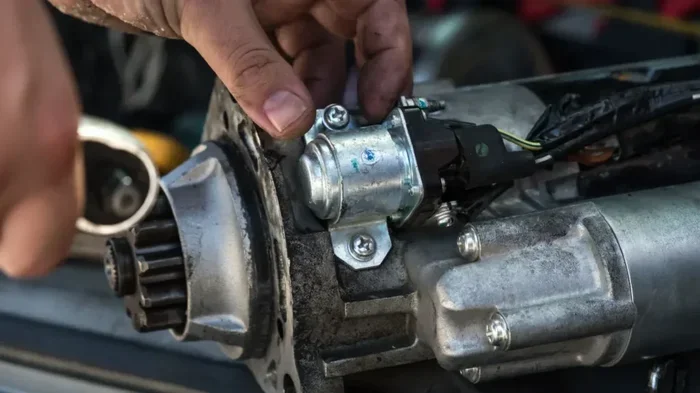
The starter motor is the small but mighty electric device that cranks your engine when you turn the key or push the start button. It draws power from your battery and engages the flywheel to get the engine running. Without it, your car is just a very expensive paperweight sitting in your driveway.
Most people never think about their starter until it stops working. That is usually when they start Googling starter motor replacement cost at 7 a.m. on a cold Monday morning. Understanding what this part does helps you appreciate why the replacement cost is what it is and why you should not skip on quality.
How the Starter Motor Works
When you turn your ignition key or press the start button, a signal goes to the starter solenoid. The solenoid pushes the starter gear into contact with the flywheel. The motor then spins, turning the engine over until it fires up on its own. This whole process happens in just a few seconds.
The starter motor endures a lot of stress each time you start your car. Over time, the brushes wear down, the solenoid can fail, or the gear teeth can strip. These are all normal wear items, and eventually, every vehicle will need a starter motor replacement.
Average Cost of Starter Motor Replacement
The big question everyone wants answered: how much should I pay for a starter? The national average for a starter motor replacement cost falls between $300 and $600 for most passenger vehicles. But this range can shift quite a bit depending on several factors we will break down below.
Parts Cost Breakdown
The starter motor itself typically costs between $150 and $350. The price difference comes down to your vehicle type and the brand of the replacement part. Here is a quick look at what drives the parts price:
- Standard economy vehicles: $100 to $200 for the starter motor
- Mid-range sedans and SUVs: $150 to $300 for the starter motor
- Luxury or performance vehicles: $250 to $500+ for the starter motor
- Aftermarket starters: Usually cheaper than OEM but may have shorter warranties
- OEM starters: More expensive but come with manufacturer backing and better fitment
When choosing between aftermarket and OEM parts, consider your budget and how long you plan to keep the vehicle. An aftermarket starter from a reputable brand can save you money without sacrificing quality. But if you are near the end of your ownership, the OEM part might give you more peace of mind.
Labor Cost Breakdown
Labor for a starter motor replacement typically runs between $150 and $250. Most shops charge anywhere from $80 to $150 per hour, and the job usually takes one to two hours. However, the location of the starter in your vehicle can make a big difference in the labor time and cost.
Some vehicles have the starter easily accessible from the top of the engine bay. Others require the mechanic to crawl underneath or remove additional components to reach it. The more time it takes, the higher the labor charge. If you are curious about what different shops charge, checking how much do mechanics make per hour in your area gives you a good baseline for what is reasonable.
Total Cost by Vehicle Type
Here is a general overview of what you might expect to pay across different vehicle categories:
- Compact cars (Honda Civic, Toyota Corolla): $300 to $450 total
- Mid-size sedans (Toyota Camry, Honda Accord): $350 to $550 total
- SUVs (Toyota RAV4, Ford Explorer): $350 to $600 total
- Trucks (Ford F-150, Chevrolet Silverado): $400 to $700 total
- Luxury vehicles (BMW, Mercedes): $500 to $900+ total
These are ballpark figures. Your actual cost could be lower or higher depending on your specific model, local labor rates, and the condition of surrounding components. Always ask for a detailed estimate before any work begins.
Can You Replace a Starter Motor Yourself?
If you enjoy working on your car, replacing a starter motor yourself can save you a significant chunk of money. The starter motor replacement cost drops dramatically when you eliminate the labor charge. You will still need to pay for the parts, but you walk away spending roughly $150 to $350 instead of $300 to $600.
However, not everyone has the skills or tools for this job. Let us look at what you need to know before grabbing a wrench.
Tools You Will Need
Replacing a starter motor is a moderately difficult DIY job. Here is what you typically need:
- A basic socket and wrench set
- A torque wrench
- A jack and jack stands or ramps (if the starter is underneath)
- Safety glasses and gloves
- A multimeter for testing electrical connections
- A replacement starter motor (make sure it matches your vehicle)
The hardest part is usually accessing the starter, especially in tight engine bays. If you have never done it before, watch a few tutorial videos for your specific vehicle model first. If you are comfortable with basic car maintenance like replacing a brake light bulb yourself, you should be able to handle a starter replacement with some patience.
When to Call a Professional Instead
Sometimes the job is just too complex or you do not have the right tools. Call a professional if:
- The starter is located in a very tight or hard-to-reach spot
- You need to lift the vehicle and do not have proper jack stands
- You are unsure whether the problem is the starter or something else
- You have tried the repair and the car still will not start
Remember, if you are not confident, it is okay to pay for professional help. A botched starter replacement can cause much bigger problems, including damaging your flywheel or transmission. That is a repair bill you definitely want to avoid.
Signs Your Starter Motor Is Failing
Catching a bad starter early can save you from getting stranded and from more expensive damage. Here are the most common starter motor symptoms to watch for:
1. Grinding or Clicking Noise When Starting
A grinding sound usually means the starter gear is not engaging properly with the flywheel. A single loud click often points to a failing solenoid. Both are warning signs that your starter motor is going bad and needs attention soon.
2. Slow or Intermittent Cranking
If your engine cranks slowly or takes a few tries to start, the starter motor may be wearing out. This is especially common in cold weather when the battery is already under stress. Do not ignore this symptom, because a weak starter can overheat and fail completely.
3. Starter Stays On After Starting
Once the engine starts, the starter should immediately disengage. If you hear it spinning after the engine is running, the solenoid is likely stuck. Continued operation can destroy the starter and even damage the flywheel teeth, which leads to a much more expensive repair.
4. Complete Failure to Start
If the car does not start at all and you hear nothing when you turn the key, the starter may have completely failed. Before replacing it, make sure your battery is good. A dead battery can mimic starter symptoms and lead you to replace a perfectly fine motor.
One important thing to note: driving with a bad starter can cause additional damage. If you suspect your starter is failing, address it quickly. You can learn more about whether it is safe to keep driving in our article Can I Drive My Car If The Starter Is Bad.
How to Save Money on Starter Motor Replacement
Car repairs are expensive, but there are smart ways to reduce the starter motor replacement cost without sacrificing quality. Here are practical tips that can put money back in your pocket.
Get Multiple Quotes
Do not just go with the first shop you find. Call at least three different repair shops and ask for a written estimate. Compare the parts cost, labor rate, and warranty offered. You will often find that prices vary by $100 or more for the same repair on the same vehicle.
Also consider independent shops over dealerships for this type of repair. Dealerships often charge a premium for labor. An independent mechanic with good reviews can do the same job for less and usually offers a solid warranty too.
Buy the Parts Yourself
Purchasing the starter motor yourself can save you money. Auto parts stores like AutoZone, O’Reilly, and Advance Auto Parts often carry starters for popular vehicles. Some shops will also honor a warranty if you bring your own parts, though they may charge a small fee for the labor.
Before buying, make sure you have the correct part number for your specific vehicle. Using the wrong starter can cause compatibility issues and even damage. If you are unsure, bring your old starter to the parts store and they can match it for you.
Ask About the Warranty
A good warranty protects you if the new starter fails prematurely. Many shops offer a 12-month or 12,000-mile warranty on parts and labor. Some aftermarket starters come with a lifetime warranty from the manufacturer. Always ask what is covered before you pay, and get the warranty terms in writing.
Common Mistakes When Replacing a Starter Motor
Even with the best intentions, mistakes happen during starter replacement. Here are the most common errors to avoid:
- Not diagnosing the real problem: A dead battery, bad ignition switch, or faulty solenoid can mimic starter failure. Always confirm the starter is the culprit before replacing it.
- Skpping the battery test: A weak battery can cause slow cranking that looks like a bad starter. Test the battery first to avoid unnecessary part replacement.
- Not replacing the starter solenoid: In some vehicles, the solenoid is a separate component. Replacing only the motor when the solenoid is also worn leads to repeat repairs.
- Improper torquing: Over-tightening or under-tightening the mounting bolts can cause vibration, poor engagement, or damage to the engine block.
- Ignoring flywheel damage: If your old starter was grinding, the flywheel teeth may already be damaged. Installing a new starter on a damaged flywheel means the new part will fail quickly too.
Avoiding these mistakes keeps your repair cost-effective and ensures your new starter lasts for years. If you are ever unsure, it is worth paying a professional to do the job right rather than fixing mistakes later.
How Long Does a Starter Motor Last?
A well-maintained starter motor typically lasts between 100,000 and 150,000 miles. Some last even longer, while others fail much earlier depending on driving habits and conditions.
Frequent short trips, extreme temperatures, and constant stop-and-go driving put extra strain on the starter. If you live in a very cold climate, your starter works harder during cold starts, which can shorten its lifespan. Regular maintenance and a healthy battery help your starter last as long as possible.
When you replace your starter, consider whether other electrical components like the alternator or battery are also aging. Replacing multiple electrical parts at the same time can save you money on labor and downtime if one of them fails soon after the repair.
Final Thoughts
So, how much should I pay for a starter? For most vehicles, expect to spend between $300 and $600 for a professional replacement. DIY enthusiasts can bring that cost down to $150 to $350 by handling the labor themselves. The key is to get accurate diagnostics, compare quotes, and choose quality parts backed by a solid warranty.
A failing starter is inconvenient, but it is not the end of the world. With the right information and a trusted mechanic, you can get back on the road without breaking the bank. Take your time, ask questions, and never feel pressured to agree to a repair you do not fully understand.
For more car maintenance tips and cost guides, explore our other articles on vehicle care and repair. Staying informed is the best way to protect your wallet and keep your car running strong for years to come.
Frequently Asked Questions
Is it safe to drive with a bad starter motor?
No, it is not safe to keep driving with a failing starter. A bad starter can leave you stranded unexpectedly, and continued use can damage the flywheel, which is a much more expensive repair. If you suspect your starter is failing, have it checked and replaced as soon as possible.
Can a dead battery cause symptoms similar to a bad starter?
Yes, absolutely. A weak or dead battery can cause slow cranking, clicking noises, and complete failure to start. Before replacing the starter, always have the battery tested to rule out a battery issue. This simple step can save you from an unnecessary and costly repair.
How long does it take to replace a starter motor?
A professional mechanic typically takes one to two hours to replace a starter motor. The time varies depending on the vehicle model and how accessible the starter is. Some vehicles have the starter in an easy-to-reach spot, while others require removing additional components first.
How much does it cost to replace a starter motor at a dealership?
Dealerships generally charge more for starter motor replacement, often $500 to $900 or more. The higher cost comes from premium labor rates and OEM parts. Independent repair shops usually offer the same repair at a lower price with comparable quality and warranty coverage.
Can I use a remanufactured starter instead of a new one?
Yes, remanufactured starters are a cost-effective option that typically cost 30 to 50 percent less than new starters. They come with warranties and can perform just as well as new parts. Make sure to buy from a reputable supplier and check the warranty terms before purchasing.
What is the difference between a starter motor and a starter solenoid?
The starter solenoid is a small switch that sends power to the starter motor and engages the gear with the flywheel. The starter motor is the actual electric motor that cranks the engine. In some vehicles, the solenoid is built into the starter assembly, while in others it is a separate component that can be replaced independently.