How Often Should AC Filters Be Cleaned For Best Results
How often should AC filters be cleaned depends on your home environment, but most filters need cleaning every 1 to 3 months. A dirty filter reduces air quality, strains your AC unit, and raises energy bills. Keeping up with a regular cleaning schedule ensures better airflow, lower costs, and longer system life.
This is a comprehensive guide about How Often Should AC Filters Be Cleaned.
Key Takeaways
- Clean every 1-3 months: Most homes need filter cleaning every 1 to 3 months during heavy use seasons.
- Check monthly during peak season: Inspect your filter once a month when running your AC frequently.
- Pet hair and dust increase cleaning frequency: Homes with pets or allergies need more frequent cleaning.
- Cleaning extends filter life: Proper cleaning can make reusable filters last for years.
- Dirty filters raise energy bills: A clogged filter forces your AC to work harder and waste electricity.
- Know when to replace instead: Some filters are disposable and should be swapped out, not cleaned.
[FEATURED_IMAGE_PLACEHOLDER]
Why AC Filter Cleaning Matters More Than You Think
Your AC filter works hard every single day. It traps dust, pollen, pet dander, and other particles before they enter your living space. When that filter gets clogged, everything suffers. Airflow drops, your system strains, and indoor air quality takes a serious hit.
Many homeowners forget about their AC filter until something goes wrong. By then, the damage is already done. A neglected filter can lead to higher energy bills, frequent breakdowns, and even costly repairs. Think of filter cleaning as a small habit that prevents big problems down the road.
Clean filters also mean better indoor air quality. This is especially important for families with allergies, asthma, or young children. The air you breathe at home directly impacts your health. A simple cleaning routine makes a bigger difference than most people realize.
Beyond health benefits, a clean filter helps your AC unit run efficiently. Efficiency means lower electricity costs and a longer lifespan for your system. Over time, the savings really add up. So let us break down exactly how often you should be cleaning your AC filter and why it matters so much.
How Often Should You Clean Your AC Filter
The short answer is every 1 to 3 months. But the real answer depends on several factors unique to your home. Let us walk through what affects your cleaning schedule and how to find the right rhythm for your situation.
General Cleaning Guidelines
For most average households, a monthly check is the sweet spot. During peak cooling season, when your AC runs daily, cleaning every 4 to 6 weeks keeps things running smoothly. During lighter use months, you can stretch this to every 2 or 3 months.
Here is a simple baseline schedule to follow:
- Summer (heavy use): Clean every 4 to 6 weeks
- Spring and fall (moderate use): Clean every 6 to 8 weeks
- Winter (minimal AC use): Clean once every 2 to 3 months
This baseline works well for most homes. But your specific situation may call for adjustments. The key is to stay consistent and make filter checks part of your regular home maintenance routine.
Factors That Change Your Cleaning Frequency
Several variables can speed up how quickly your filter gets dirty. Understanding these helps you set a realistic schedule that actually works for your home.
Household size plays a big role. More people mean more dust, more skin cells, and more airborne particles. A family of five will need to clean filters more often than a couple living alone.
Pets are a major factor too. Dog and cat hair circulates through your HVAC system constantly. If you have furry friends, plan to clean your filters at least every 3 to 4 weeks during heavy use. Pet dander is one of the top culprits behind clogged filters.
Your local environment matters as well. Homes in dusty areas, near construction sites, or in dry climates with lots of pollen face faster filter buildup. Urban homes deal with more pollution and exhaust particles. Rural homes may deal with more outdoor debris getting pulled into the system.
Allergies and health conditions also change the equation. If anyone in your home suffers from respiratory issues, cleaner filters become even more important. You may want to clean more frequently to keep the air as pure as possible.
How to Check If Your Filter Needs Cleaning
Do not just rely on a calendar schedule. Get hands-on and inspect your filter regularly. A simple visual check tells you a lot. Hold the filter up to a light source. If you cannot see light passing through clearly, it is time for a cleaning.
Also pay attention to how your AC performs. Weak airflow from vents, unusual noises, or rooms that take longer to cool are all warning signs. These symptoms often point directly to a dirty filter that needs attention.
Signs Your AC Filter Is Too Dirty
Your AC system sends clear signals when the filter is struggling. Learning to recognize these signs early saves you from bigger headaches later. Here are the most common indicators that your filter needs immediate cleaning.
Reduced Airflow From Vents
This is the most obvious sign. When you feel weak or lukewarm air coming from your vents, a clogged filter is often the cause. Dirt and debris restrict the passage of air through the system. The result is less cool air reaching your rooms, even when the AC is running at full blast.
Rising Energy Bills Without Explanation
A dirty filter makes your AC work harder to push air through. That extra effort translates directly into higher electricity consumption. If your energy bill creeps up during a season when usage has not changed, check your filter first. A clean filter can lower your cooling costs by up to 15 percent.
Excessive Dust Around Your Home
When a filter is saturated, it can no longer trap particles effectively. Dust escapes back into your living spaces and settles on furniture, countertops, and surfaces. If you find yourself dusting more often than usual, your filter may be the hidden culprit.
Unusual Sounds From the AC Unit
Strained systems make noise. Listen for rattling, whistling, or humming sounds that were not there before. These noises often mean your AC is struggling to pull air through a blocked filter. Ignoring these sounds can lead to mechanical damage over time.
Warm Air Blowing From Vents
This is a serious warning sign. When the filter is completely clogged, your system cannot maintain proper cooling. Warm air from vents means your AC is working overtime without success. Shut the system down and clean or replace the filter immediately to prevent further damage.
Step-by-Step Guide to Cleaning Your AC Filter
Cleaning your AC filter is straightforward and takes less than 15 minutes once you know the process. Here is a clear, step-by-step guide that anyone can follow at home.
Step 1: Turn Off the Power
Safety comes first. Before touching anything, switch off your AC unit at the thermostat or the circuit breaker. Working on a powered-down system prevents accidents and protects both you and the equipment.
Step 2: Locate the Filter
Most residential AC units have filters located in one of two places. Check behind the return air vent on a wall or ceiling. Some systems have filters inside the air handler cabinet, usually in a basement, attic, or utility closet. Consult your unit manual if you are unsure where yours is.
Step 3: Remove the Filter Carefully
Slide the filter out gently. Note which direction the airflow arrow points. This arrow indicates the correct orientation for reinstallation. Taking a photo before removal helps you remember the proper position.
Step 4: Inspect the Filter
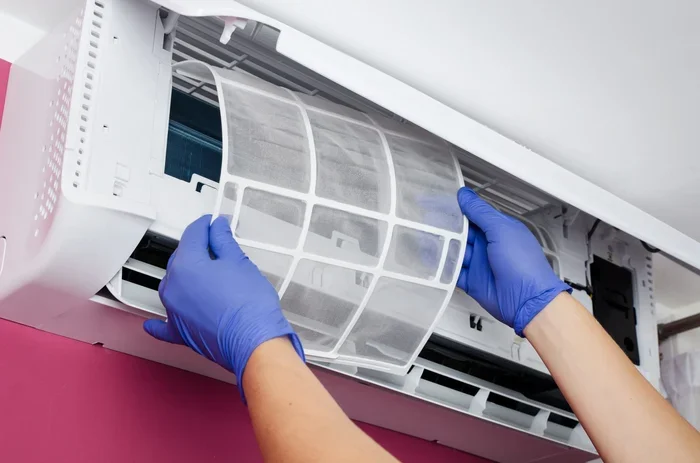
Hold the filter up and examine it closely. Look for thick layers of dust, pet hair, and debris. If the filter looks shredded, torn, or heavily damaged, cleaning may not be enough. It might be time for a replacement instead. You can read more about this in our guide on Can I Clean My Ac Filter Instead Of Replacing It.
Step 5: Clean the Filter Properly
For reusable filters, use a vacuum cleaner with a brush attachment to remove loose dust and debris. Then wash the filter with warm water and a mild dish soap. Avoid harsh chemicals or high-pressure water, which can damage the filter material. Rinse thoroughly until the water runs clear.
Step 6: Dry the Filter Completely
Let the filter air dry in a sunny spot for 24 to 48 hours. Never reinstall a damp filter. Trapped moisture inside the AC unit can promote mold growth and musty odors. Make sure the filter is completely dry before putting it back in place.
Step 7: Reinstall and Test
Slide the dry filter back in following the airflow arrow direction. Restore power at the breaker or thermostat. Run your AC for a few minutes and check that airflow has improved. You should notice cooler, stronger air coming from the vents within minutes.
Quick Tips for Better Results
- Mark your calendar after each cleaning so you stay on track
- Keep a spare filter on hand for emergencies
- Wear a dust mask when removing a very dirty filter
- Clean the area around the filter slot while you have access
- Set phone reminders during peak cooling season
AC Filter Cleaning Versus Replacement
Not all AC filters are designed to be cleaned. Understanding the difference between washable and disposable filters helps you make the right choice for your home and your budget.
Washable Filters
Washable or reusable filters are made from durable materials like aluminum or plastic mesh. These can be cleaned and used for years with proper care. They cost more upfront but save money over time. Cleaning them regularly keeps them performing well for a long lifespan.
Disposable Filters
Most standard home AC units use disposable fiberglass or pleated filters. These are designed to be replaced, not washed. Attempting to clean a disposable filter usually damages it and reduces its effectiveness. Replace these filters every 1 to 3 months depending on usage and household conditions.
Which Option Saves More Money?
Washable filters have a higher initial cost but pay for themselves over time. Disposable filters are cheaper upfront but require regular purchases. If you are comfortable with the cleaning process, washable filters offer better long-term value. For busy households, disposable filters offer convenience and simplicity.
Some homeowners wonder about the cost of professional help for this task. If you are curious what technicians charge for routine maintenance visits, you can check out How Much Do Mechanics Make Per Hour to understand labor costs in the industry.
Common Mistakes People Make With AC Filter Maintenance
Even well-meaning homeowners make mistakes that shorten filter life and reduce AC performance. Avoiding these common errors keeps your system running at its best.
Forgetting to Check the Filter Regularly
The biggest mistake is simply not checking. Many homeowners go months without ever looking at their filter. Set a recurring reminder on your phone or write it on your calendar. A monthly check takes two minutes and prevents months of neglect.
Cleaning But Not Drying Thoroughly
Putting a damp filter back in creates moisture problems inside your AC unit. Mold and mildew can grow quickly in these conditions. Always give your filter plenty of time to dry completely before reinstalling it.
Using the Wrong Size Filter
Filters come in many sizes, and using the wrong one reduces effectiveness. A too-small filter lets unfiltered air bypass the system. A too-large filter may not fit properly and create gaps. Always measure your existing filter or check your AC manual before purchasing a replacement.
Ignoring the Surrounding Area
While you have the filter out, take a moment to clean the filter slot and surrounding area. Dust and debris accumulate around the housing too. A quick wipe-down keeps the whole system cleaner and improves airflow.
Waiting Too Long to Act
Some homeowners notice signs of a dirty filter but put off action. Every day you wait, your AC works harder and wastes energy. Address filter issues promptly. Quick action prevents small problems from turning into expensive repairs.
Keeping up with basic home maintenance tasks like filter cleaning is similar to other routine jobs. For example, quick vehicle maintenance tasks like an oil change in 10 minutes show how small regular efforts prevent bigger issues later.
How AC Filter Cleaning Affects Your Home and Health
The benefits of regular filter cleaning go far beyond your AC unit. Clean filters positively impact your entire home environment and your family’s well-being.
Better Indoor Air Quality
A clean filter captures dust, pollen, mold spores, and other airborne particles before they circulate through your home. This is especially valuable during allergy season when pollen counts are high. Cleaner air means fewer allergy symptoms and better sleep quality for everyone in the household.
Improved Energy Efficiency
When air flows freely through a clean filter, your AC does not need to work as hard. This means less electricity consumed and lower monthly bills. A clean filter can improve your AC efficiency by 5 to 15 percent. Over a full cooling season, those savings become significant.
Longer Equipment Lifespan
Your AC system is a major investment. Regular filter cleaning reduces strain on the compressor, blower motor, and other components. A well-maintained system can last 15 to 20 years, while a neglected one may fail in 10. Simple filter care extends the life of your entire unit.
Just like maintaining a vehicle, consistent care pays off. If you are interested in how long certain systems last with proper maintenance, check out How Many Years Should A Forklift Last for insights on equipment longevity.
Reduced Environmental Impact
Efficient systems use less energy and produce fewer greenhouse gas emissions. By keeping your filter clean, you contribute to a smaller carbon footprint. Small household actions add up to meaningful environmental benefits when practiced consistently across communities.
Expert Insights on AC Filter Maintenance
HVAC professionals agree on one thing: filter maintenance is the single most impactful thing a homeowner can do. Most technicians recommend a two-part approach combining regular cleaning with seasonal professional inspections.
Experts suggest scheduling a professional AC tune-up at least once a year, ideally before peak cooling season begins. During these visits, technicians inspect the entire system, clean components beyond the filter, and catch potential issues early. This professional layer of care complements your at-home filter routine perfectly.
Another expert tip is to keep a filter log. Write down the date of each cleaning and note the condition of the filter. Over time, this log reveals patterns unique to your home. You will learn exactly how fast your filters clog and can adjust your schedule accordingly.
Some homeowners also benefit from pairing filter care with broader home efficiency upgrades. For instance, maintaining your AC system connects to overall home energy efficiency, much like how vehicle efficiency connects to fuel economy. Understanding how long a full fuel supply lasts, for example, helps with planning, similar to how you plan filter replacements. You can explore more about this in our article on How Long Does A Full Tank Of Gas Last.
Conclusion
How often should AC filters be cleaned is a question with a clear answer for most homeowners. Every 1 to 3 months is the standard guideline, but your specific conditions may shift that timeline. The most important thing is to stay consistent and never ignore warning signs.
A clean filter means better air quality, lower energy costs, and a longer-lasting AC system. These benefits make the small effort of regular filter cleaning well worth it. Whether you have washable or disposable filters, staying on top of maintenance pays dividends all season long.
Make filter checks a habit, not an afterthought. Set reminders, keep supplies on hand, and involve your whole family in the process. Your AC unit, your wallet, and your lungs will all thank you. Start today, and enjoy the difference clean filters make in your home.
Frequently Asked Questions
Can I just wash my AC filter with water?
Yes, for washable filters, warm water and mild dish soap work perfectly. Avoid harsh chemicals or high-pressure sprays that can damage the filter material. Always dry the filter completely before reinstalling it.
What happens if I never clean my AC filter?
A neglected filter gets clogged with dust and debris. This restricts airflow, raises energy bills, reduces cooling power, and strains your AC motor. Over time, it can lead to expensive breakdowns and premature system failure.
How do I know if my filter is washable or disposable?
Check the filter label or your AC manual. Washable filters are usually made of metal or plastic mesh. Disposable filters are made of fiberglass or thin pleated paper and cannot be cleaned effectively.
Can a dirty AC filter affect my health?
Absolutely. A dirty filter cannot trap allergens, dust mites, and mold spores properly. These particles circulate through your home and can trigger allergies, asthma attacks, and respiratory irritation.
Is it better to clean or replace disposable filters?
Disposable filters should be replaced, not cleaned. Washing them damages the material and reduces their ability to trap particles. Replace them every 1 to 3 months for best results.
How much does professional AC filter cleaning cost?
Professional AC maintenance visits typically range from $75 to $200 depending on your location and the service included. Many homeowners find that DIY filter cleaning combined with annual professional tune-ups offers the best value.