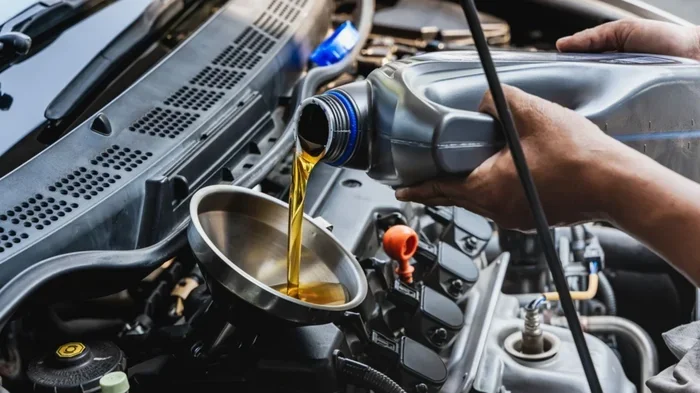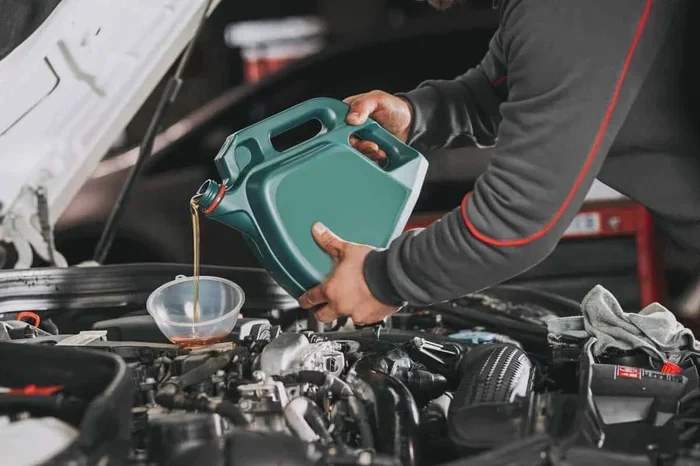
How Often Should I Change Synthetic Oil If I Rarely Drive
Changing synthetic oil when you rarely drive depends on both mileage and time. Most manufacturers recommend an oil change every 6 to 12 months, even if you hit fewer miles than the standard 7,500 to 10,000 interval. Time-based degradation is real, and ignoring it can harm your engine.
If you barely drive your car, you might think you can skip or stretch your oil changes. After all, the mileage is way below the recommended 7,500 or 10,000 miles. But here is the thing most people miss: oil degrades over time, not just from driving. So how often should you change synthetic oil if you rarely drive? Let us break it all down.
Key Takeaways
- Time matters as much as mileage: Synthetic oil degrades over time, even if you don’t drive much.
- Most manufacturers recommend changing oil every 6 to 12 months: Check your owner’s manual for the exact interval.
- Low-mileage driving creates unique risks: Moisture buildup and oil contamination happen faster in rarely driven cars.
- Your oil life monitor is a guide, not gospel: It tracks driving conditions, not just time spent parked.
- Always replace the oil filter with every change: A clean filter protects fresh oil and extends engine life.
- Short trips are harder on oil than long highway drives: The engine never reaches optimal temperature.
- Staying on top of oil changes saves money long-term: Preventing engine damage costs far less than a routine oil change.
📑 Table of Contents
- Why Synthetic Oil Still Degrades When You Don’t Drive
- What Happens If You Skip Oil Changes on a Rarely Driven Car
- How to Determine the Right Oil Change Schedule for Low-Mileage Drivers
- Can You Stretch Synthetic Oil Intervals if You Drive Very Little?
- Quick Tips for Low-Mileage Car Owners
- Expert Insight: What Mechanics Recommend for Low-Mileage Drivers
- How Much Does an Oil Change Cost for Synthetic Oil?
- Conclusion
Why Synthetic Oil Still Degrades When You Don’t Drive
Many car owners assume that if they are not putting miles on the odometer, the oil stays fresh. That is a common misconception. Synthetic oil is designed to last longer than conventional oil, but it is not immortal. Time alone causes chemical breakdown. Moisture accumulates. Contaminants settle. All of this happens whether you are on the highway or parked in your garage.
When your car sits idle for weeks or months, several things happen inside the engine. Condensation forms in the oil crankcase. Fuel residues from short start-ups mix with the oil. Acids build up. These processes slowly erode the lubricating properties of your synthetic oil. By the time you actually drive the car, the oil may already be compromised.
So even if you only drive 1,000 miles in six months, your oil still needs attention. The clock starts ticking the moment you fill it up.
Time-Based vs Mileage-Based Oil Changes
Most car manufacturers use a mileage-based recommendation for oil change frequency. You know the drill: change your oil every 5,000 to 10,000 miles depending on the vehicle and oil type. But for low-mileage drivers, a time-based schedule is just as important.
Here is a simple comparison:
- Mileage-based changes: Recommended every 7,500 to 10,000 miles for full synthetic oil.
- Time-based changes: Recommended every 6 to 12 months, regardless of mileage.
- Hybrid approach: Change oil when you hit whichever limit comes first — miles or months.
If you drive fewer than 3,000 miles per year, the time-based rule will almost always apply first. This means you should change your synthetic oil at least once a year. Some experts even recommend every six months for vehicles that sit for long periods.
What Happens If You Skip Oil Changes on a Rarely Driven Car
Skipping oil changes might feel harmless when the mileage is low. But the risks are real and can lead to expensive repairs. Here is what can go wrong.
Oil Contamination and Moisture Buildup
Every time you start your car, the engine heats up. When it cools down, condensation forms inside the engine block. This moisture mixes with the oil. Over time, it creates a sludge-like substance that clogs oil passages. This is especially true for cars that only run for short trips, where the engine never fully reaches operating temperature.
Contaminated oil loses its ability to lubricate properly. Metal parts grind against each other. Wear increases. And eventually, you might face engine failure.
Oil Filter Clogging
Your oil filter catches debris and contaminants. But when oil sits unused for long periods, particles settle and harden. A clogged filter restricts oil flow. Fresh oil cannot circulate properly, and the engine suffers. This is why replacing the filter with every oil change is non-negotiable, even for low-mileage vehicles.
Acid Formation and Corrosion
Fuel dilution is another hidden threat. When you start a rarely driven car, unburned fuel enters the crankcase and mixes with the oil. This creates acids that corrode engine components from the inside out. The process accelerates in vehicles that sit for weeks without running.
How to Determine the Right Oil Change Schedule for Low-Mileage Drivers
Figuring out your personal oil change schedule is simpler than you might think. Follow these steps to protect your engine and stay on track.
Check Your Owner’s Manual First
Your vehicle’s manufacturer recommended oil change interval is the best starting point. Most manuals list both a mileage interval and a time interval. For example, Toyota might say “change oil every 10,000 miles or 12 months, whichever comes first.” That “whichever comes first” clause is critical for low-mileage drivers.
If you cannot find your manual, a quick search online for your specific model year and engine type will give you the exact numbers.
Monitor Your Oil Life System
Many modern vehicles come equipped with an oil life monitor. This system tracks driving conditions, engine temperature, and usage patterns to estimate when the oil needs changing. But here is the catch: the system is designed around regular driving habits. If you rarely drive, the monitor may not reset or alert you properly.
Use the oil life monitor as a general guide, but do not rely on it exclusively. Set a calendar reminder for your oil change based on the time interval instead.
Consider Your Driving Conditions
Not all driving is equal. The oil change frequency can vary based on how and where you drive. Here are some factors that matter:
- Short trips: Trips under 5 miles in cold weather are hard on oil. The engine never warms up enough to burn off condensation and fuel residues.
- Extreme temperatures: Both hot and cold climates accelerate oil breakdown.
- Dusty or dirty environments: Particles enter the engine more easily and contaminate the oil faster.
- Stop-and-go traffic: Even if you rarely drive, short trips in heavy traffic strain the oil.
If your rarely driven car sits in a harsh environment, consider shortening your oil change interval to every 4 to 6 months.
Keep a Simple Maintenance Log
Tracking your oil changes in a notebook or a phone app takes seconds. Record the date, mileage, oil type, and filter replacement. This habit helps you spot patterns and stay consistent. Over time, you will know exactly how your car responds to different intervals.
Can You Stretch Synthetic Oil Intervals if You Drive Very Little?
This is one of the most common questions among low-mileage car owners. The short answer is: you can stretch a little, but not too much.
Full synthetic oil is engineered to last longer than conventional oil. It resists thermal breakdown, oxidation, and sludge formation better. So if you drive 2,000 miles a year, you might be tempted to change the oil only once every 18 months.
Here is why that is risky. Even the best synthetic oil cannot fight time and moisture forever. The additives that protect your engine — anti-wear agents, detergents, dispersants — deplete over time. They do not regenerate. Once they are gone, the oil is no longer doing its job, even if it looks clean.
So yes, you can stretch the interval a bit. But do not exceed 12 months. Ever. Your engine is worth more than the cost of an oil change.
How to Tell If Your Oil Needs Changing Sooner
Sometimes the oil tells you it is time, even if the calendar or mileage says otherwise. Watch for these warning signs:
- Dark or gritty oil: Fresh synthetic oil is amber and clear. If it turns dark brown or black and feels gritty on the dipstick, it is time for a change.
- Burning smell: A burnt odor from the engine bay can indicate overheated or degraded oil.
- Reduced engine performance: Sluggish acceleration or unusual noises may point to poor lubrication.
- Check engine or oil pressure light: Never ignore these warnings. They often signal low or contaminated oil.
- Exhaust smoke: Blue or gray smoke can mean oil is burning inside the engine.
If you notice any of these signs, do not wait. Get the oil changed right away, even if the mileage is low and the date is recent.
Quick Tips for Low-Mileage Car Owners
Taking care of a rarely driven car requires a slightly different approach. Here are some practical tips to keep your engine healthy.
- Start the car regularly: Run the engine for at least 15 minutes every week or two. This helps circulate the oil and evaporate moisture.
- Take a longer drive occasionally: A 20 to 30 minute highway drive once a month brings the engine up to full operating temperature and burns off residues.
- Store the car properly: Keep it in a dry, temperature-controlled space if possible. Humidity accelerates oil contamination.
- Use a quality oil filter: A good filter catches more contaminants and lasts longer between changes.
- Do not skip the oil filter: Even if you are stretching the oil change interval, always replace the filter.
These small habits make a big difference. They keep the oil clean and the engine protected, even during long periods of inactivity.
Expert Insight: What Mechanics Recommend for Low-Mileage Drivers
We asked several experienced mechanics about their advice for customers who rarely drive. The consensus was clear: do not skip oil changes based on mileage alone. Time is the enemy.
One mechanic shared, “I see plenty of cars with only 3,000 miles on the odometer but two years since the last oil change. The oil is dark, gritty, and full of moisture. These engines show premature wear.”
Another added, “For people who barely drive, I recommend sticking to a six-month schedule. It costs very little and adds years to the engine’s life.”
The takeaway is simple: treat time as your primary metric, not mileage. A regular oil change every 6 to 12 months is the safest bet for low-mileage vehicles.
How Much Does an Oil Change Cost for Synthetic Oil?
If you are wondering whether the cost is worth it for a car you rarely drive, the answer is a definite yes. A synthetic oil change typically costs between $65 and $125, depending on your vehicle and location. The oil filter adds another $10 to $25.
Compare that to the cost of engine repairs caused by neglected oil. A rebuilt engine can cost anywhere from $3,000 to $7,000. Even a partial engine repair runs into hundreds or thousands of dollars. The math is clear: routine oil changes are a fraction of the cost of engine damage.
And if you are worried about finding a reliable place, you can always do it yourself or visit a trusted service center. Some quick-service shops can complete an oil change in about 10 minutes if you are in a hurry.
Also, if you are wondering whether where you get the oil changed matters, the answer is yes and no. As long as the shop uses the correct oil grade and quality filters, the location is less important than the consistency of the service.
Conclusion
So how often should you change synthetic oil if you rarely drive? The answer is every 6 to 12 months, no matter how few miles are on the odometer. Time-based degradation is real, and it affects every vehicle regardless of usage. Synthetic oil lasts longer than conventional oil, but it still breaks down over time. Moisture, fuel dilution, and additive depletion all work against you, even when the car is parked.
Stay proactive. Set calendar reminders. Watch for warning signs. Keep a maintenance log. These simple steps protect your engine and save you money in the long run. Your car may not drive much, but it still deserves proper care. And a little prevention goes a long way toward keeping your engine running strong for years to come.
Remember: the best time to change your oil is before the engine tells you it needs to. Do not wait for problems. Stay ahead of them.
Frequently Asked Questions
Can I change synthetic oil once a year if I barely drive?
Yes, once a year is the minimum for most vehicles. However, if your car sits for long periods, every 6 months is even better. Time-based degradation affects oil regardless of mileage, so staying on a regular schedule protects your engine from moisture buildup and contamination.
What happens if I don’t change my oil for two years but I rarely drive?
The oil breaks down chemically over time. Moisture accumulates, additives deplete, and contaminants settle. Even with low mileage, the oil loses its lubricating ability. This can lead to increased engine wear, sludge formation, and eventually costly repairs. Two years is too long between changes.
Does synthetic oil last longer if the car sits unused?
No. Synthetic oil resists breakdown better than conventional oil, but it still degrades over time. The shelf life of sealed oil is long, but once it is in the engine, time and environmental factors take their toll. Always follow the 6-to-12-month rule regardless of how much you drive.
Should I change the oil filter if I’m not changing the oil?
Always change the oil filter with every oil change. A clogged or old filter restricts oil flow and reduces protection. Even if you stretch the oil change interval slightly, never skip the filter replacement. Fresh oil in a dirty filter defeats the purpose.
Is it okay to drive my rarely used car once a month to keep the oil fresh?
Yes, running the engine regularly helps circulate the oil and evaporate moisture. A 20 to 30 minute drive that brings the engine up to operating temperature is ideal. Just make sure you are not using the short trip as an excuse to skip the scheduled oil change.
How can I tell if my oil is bad even though I drive very little?
Check the oil on the dipstick. Fresh synthetic oil should be amber and translucent. If it is dark brown or black, gritty, or smells burnt, it needs changing. Also watch for the check engine light, reduced performance, or unusual engine noises. When in doubt, get it checked.